This article has been reviewed according to Science X's editorial process and policies. Editors have highlighted the following attributes while ensuring the content's credibility:
A mosquito buzzing in your backyard may seem like a minor annoyance. But these tiny insects, with their taste for human blood, are increasingly appearing in areas where they were once rare or absent, and that's raising concerns about the spread of mosquito-borne diseases, including West Nile, Zika and dengue fever.
Hillsborough County, home to Tampa, had seen more than 350 dengue cases, at least one of them fatal, by late October. Miami-Dade County had reported more than 200 cases, and the statewide number was still rising in what has been described as the largest dengue outbreak in modern Florida history.
More than 400 of the over 700 Florida cases, including many of those in Hillsborough County and at least seven in the Orlando area, were listed as locally acquired from mosquitoes in the area.
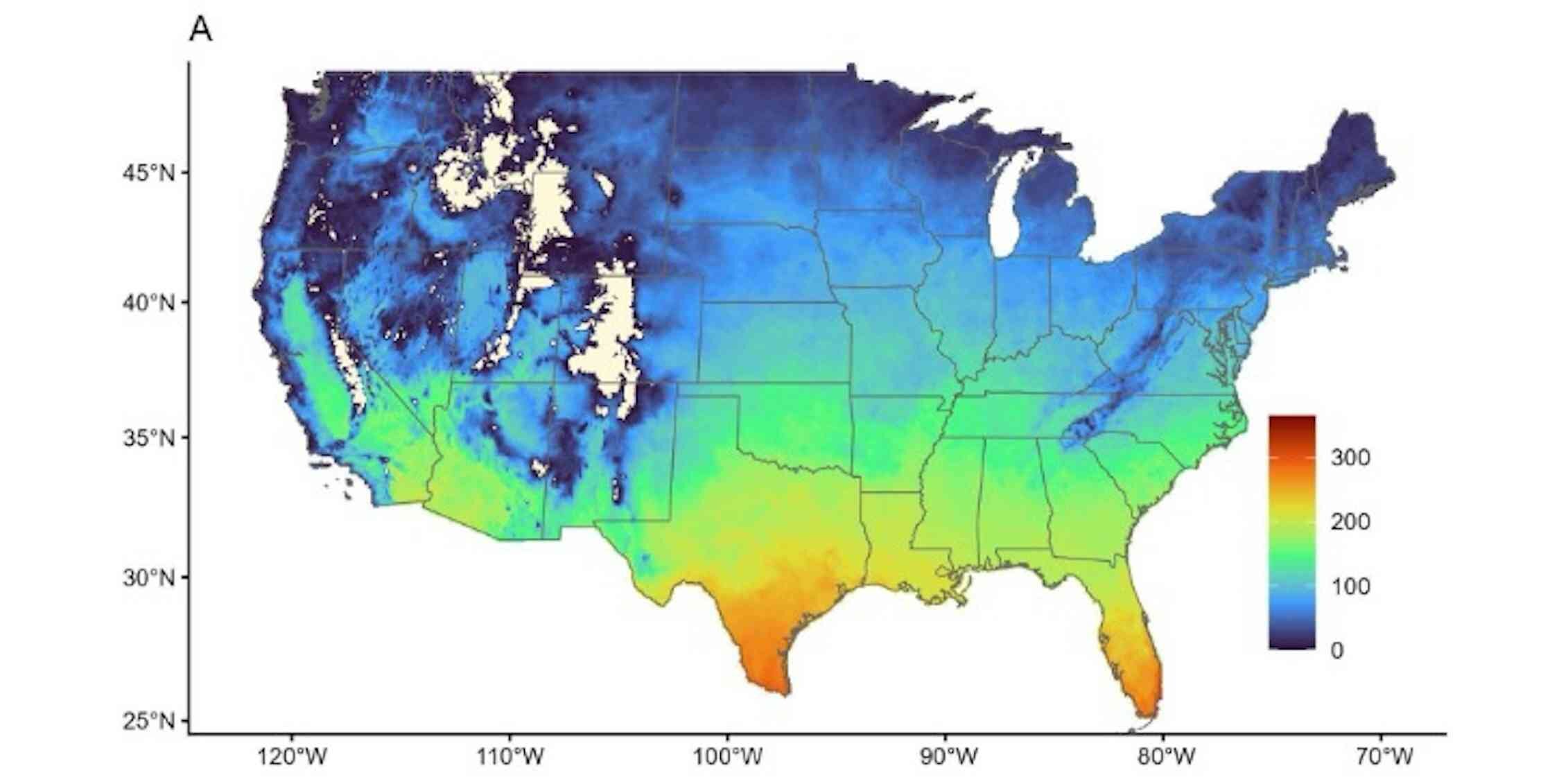
Climate change is part of the reason people in many parts of the country are seeing more mosquitoes. Rising global temperatures and shorter winters expand the area suitable for mosquitoes to live in and transmit viruses that cause diseases. Climate change also brings increasingly erratic storm systems, heat and rainfall patterns that leave standing water, creating conditions ideal for mosquitoes to breed.
The other major factor shaping where mosquitoes live, often overlooked, is humans themselves.
We study entomology and medical geography , including the spread of mosquito-borne diseases.
Source link