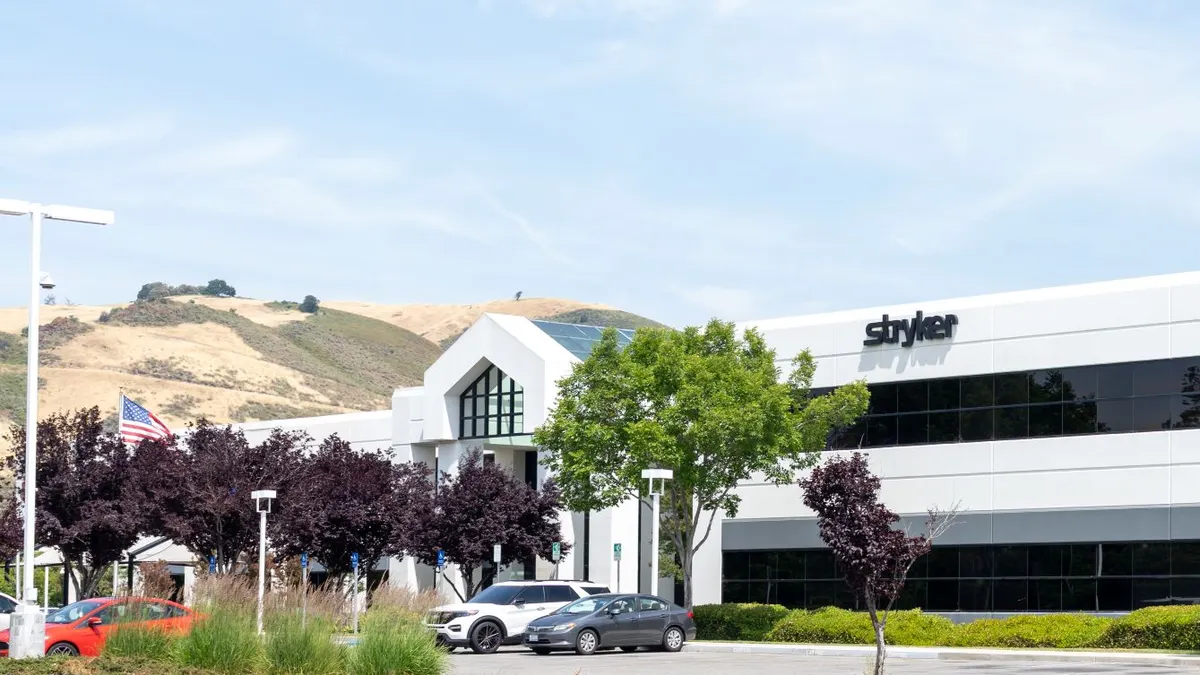
The deal expands Stryker’s portfolio of fast-growing sports medicine and shoulder care devices.
FiberLocker has two components. One component is a non-degradable implant made of polyester staple fibers. The other is a surgical micro-stapling device for fixing the implant in soft tissue. Fixing the medical felt patches in place reinforces the rotator cuff after or during repair. Sutures or bone anchors provide mechanical strength for the repair.
ZuriMED received 510(k) clearance in 2024. The Switzerland-based company based its 510(k) filing on bench and animal performance tests.
Investigators started testing the device in humans in 2025. That year, ZuriMED began a first-in-human study at a site in Switzerland and initiated a multicenter trial in the U.S. The Swiss trial is focused on safety. The primary endpoint of the U.S. study is assessing healing six months after treatment.
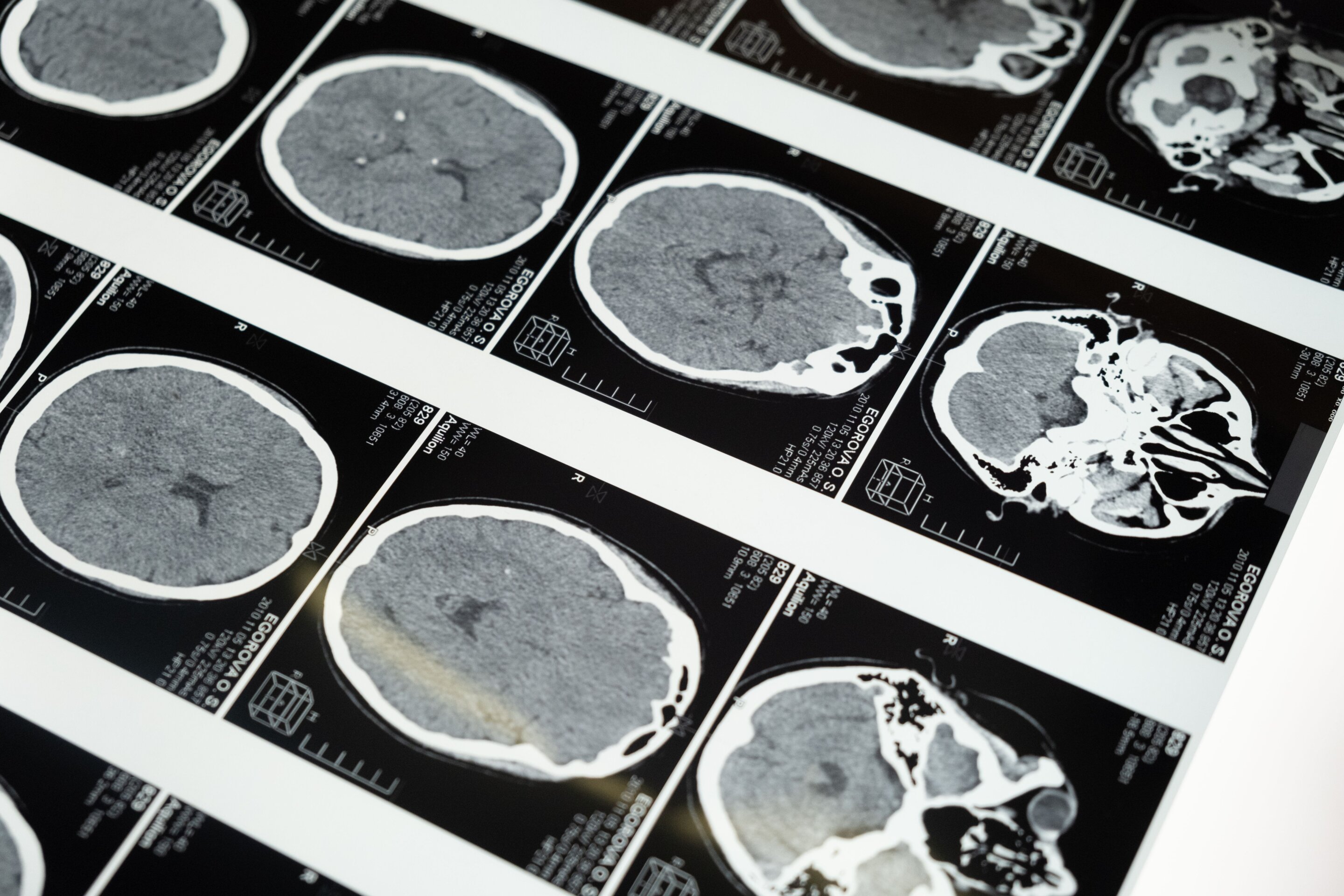
The rotator cuff retear rate after three to six months is 21%, according to a systematic review and meta-analysis published in 2021. ZuriMED is using magnetic resonance imaging to assess the effect of FiberLocker on healing.
FiberLocker will further expand Stryker’s portfolio of shoulder implants. In July, Stryker CFO Preston Wells named the company’s expanded range of shoulder implant products as a driver of double-digit sports medicine growth in the second quarter. Wells highlighted the full commercial launch of Mako Shoulder on the Mako 4 robot as another driver of growth in the shoulder business.
Stryker's M&A activity has focused on the peripheral vascular business over the past two years. In February 2025, the company closed its takeover of Inari Medical, adding venous thromboembolism clot removal technologies to its portfolio.
Source link