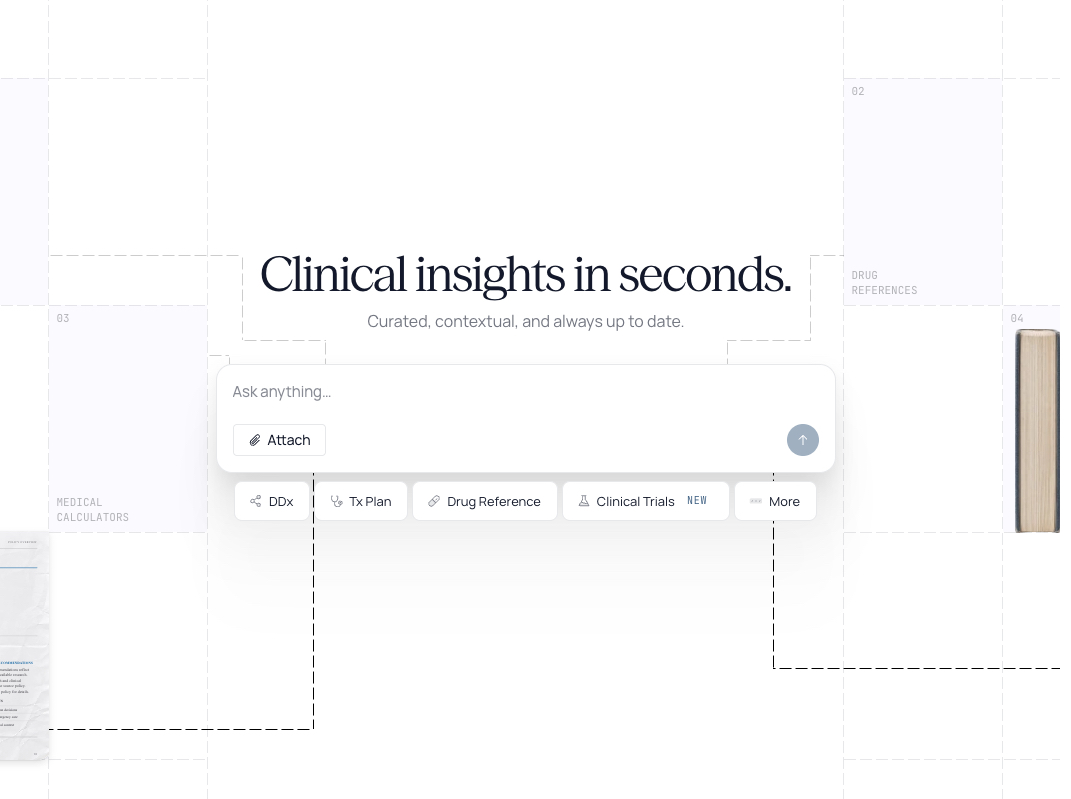
Unlike generic AI assistants that generate text probabilistically and search for citations as a post-hoc justification, Vera Health operates on an inverse architecture: it retrieves and grades the evidence first, and only writes the answer second.
Vera Health’s growth trajectory stands as an anomaly in enterprise healthcare software, where scaling typically requires massive direct sales forces and lengthy hospital procurement cycles:
Taieb Bennani, Co-founder of Vera Health, framed the platform’s core operating ethos: “Clinicians are the best data scientists I’ve ever met. They make the call in seconds, with more evidence than any human could ever read. The secret to building for them is to live and breathe the problem like no one else. Everyone on our team is a clinician, or the child or sibling of one, like Maxime and me. That passion translates into every detail of the product, and when you build with that kind of obsession, the product speaks for itself, and clinicians share it with their colleagues. We don’t have the biggest team or the most money. We have the people who care the most about getting it right.”
A major barrier to global medical AI adoption is geographic divergence in clinical practice: a cardiology pathway in Paris routinely differs from guideline-directed medical therapy in Madrid or New York.
To bridge global science with institutional variance, Vera is rolling out Vera Spaces. The enterprise capability allows hospitals and regional health systems to upload and index their own internal clinical order sets, formulary restrictions, and departmental protocols alongside global biomedical literature.
Source link