This article has been reviewed according to Science X's editorial process and policies. Editors have highlighted the following attributes while ensuring the content's credibility:
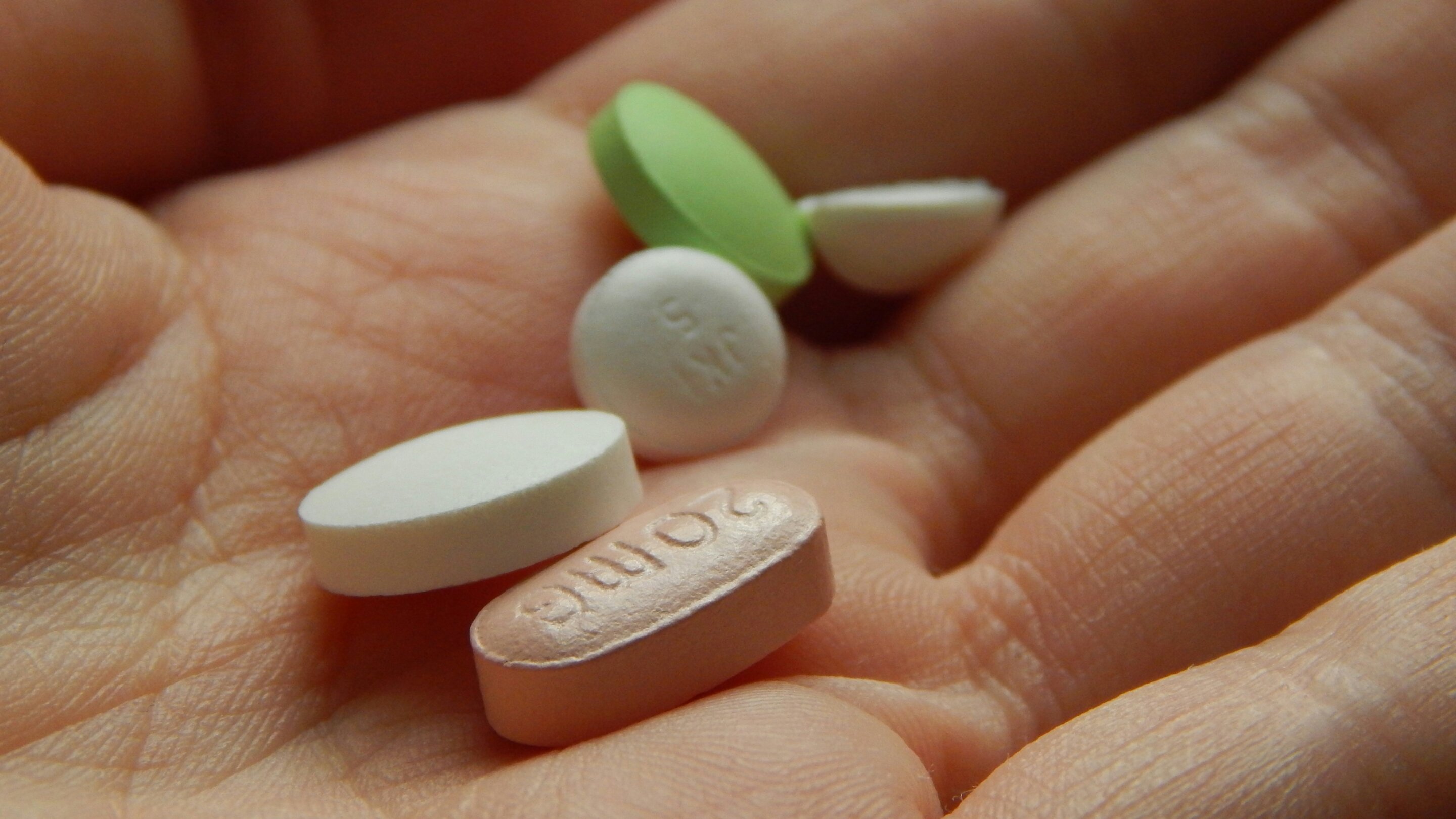
Adults on Medicaid who began treatment for a new bout of low back pain with a higher-dose opioid prescription were about two and a half times as likely to later show signs of opioid use disorder or overdose, according to a study conducted at Columbia University Mailman School of Public Health and NYU Grossman School of Medicine.
The researchers reported a 147% higher relative risk for patients whose first-month treatment included opioids above 50 milligrams of morphine equivalent per day (MME/d).
This is the first study to evaluate the association between treatment types for acute lower back pain (aLBP) and opioid use disorder outcomes among patients with Medicaid coverage.
"Our findings support prioritizing guideline-recommended nonpharmacologic, noninterventional therapies as first-line care for aLBP," said Lisa Doan, associate professor in the Department of Anesthesiology at NYU Langone and first author. "Pharmacologic therapies might be considered after weighing potential benefits against longer-term risks. However, we urge caution when opioids are prescribed, minimizing dose and duration."
Anti-inflammatory drugs and muscle relaxants were the most commonly prescribed initial treatments at 48% and 44%, respectively. Physical therapy was the most common nonpharmacologic treatment at 16%, followed by chiropractic care (10%). Among patients who filled an opioid prescription (21%), most received prescriptions for 50 MME/d or less and a supply of seven or fewer days.
Opioid prescription dosages greater than 50 MME/d were associated with the largest increase in risk of a new diagnosis of opioid use disorder (OUD) or overdose, increasing risk by 147%.
Source link