This article has been reviewed according to Science X's editorial process and policies. Editors have highlighted the following attributes while ensuring the content's credibility:
Freezing when a stranger enters the room, retreating to a parent's lap or being reluctant to approach other children: inhibited behavior in childhood is strongly associated with social anxiety disorder later in life. But is this inhibition also reflected in the brain, and could brain scans therefore help identify the early signs of social anxiety disorder?
This was the question Janna Marie Bas-Hoogendam set out to answer with the Rubicon grant she received from the Dutch Research Council (NWO) in 2020. The Rubicon grant is officially intended to support researchers in setting up a research project abroad, "but because of COVID, I worked from home with Daniel and his team at the National Institute of Mental Health in Bethesda, U.S."
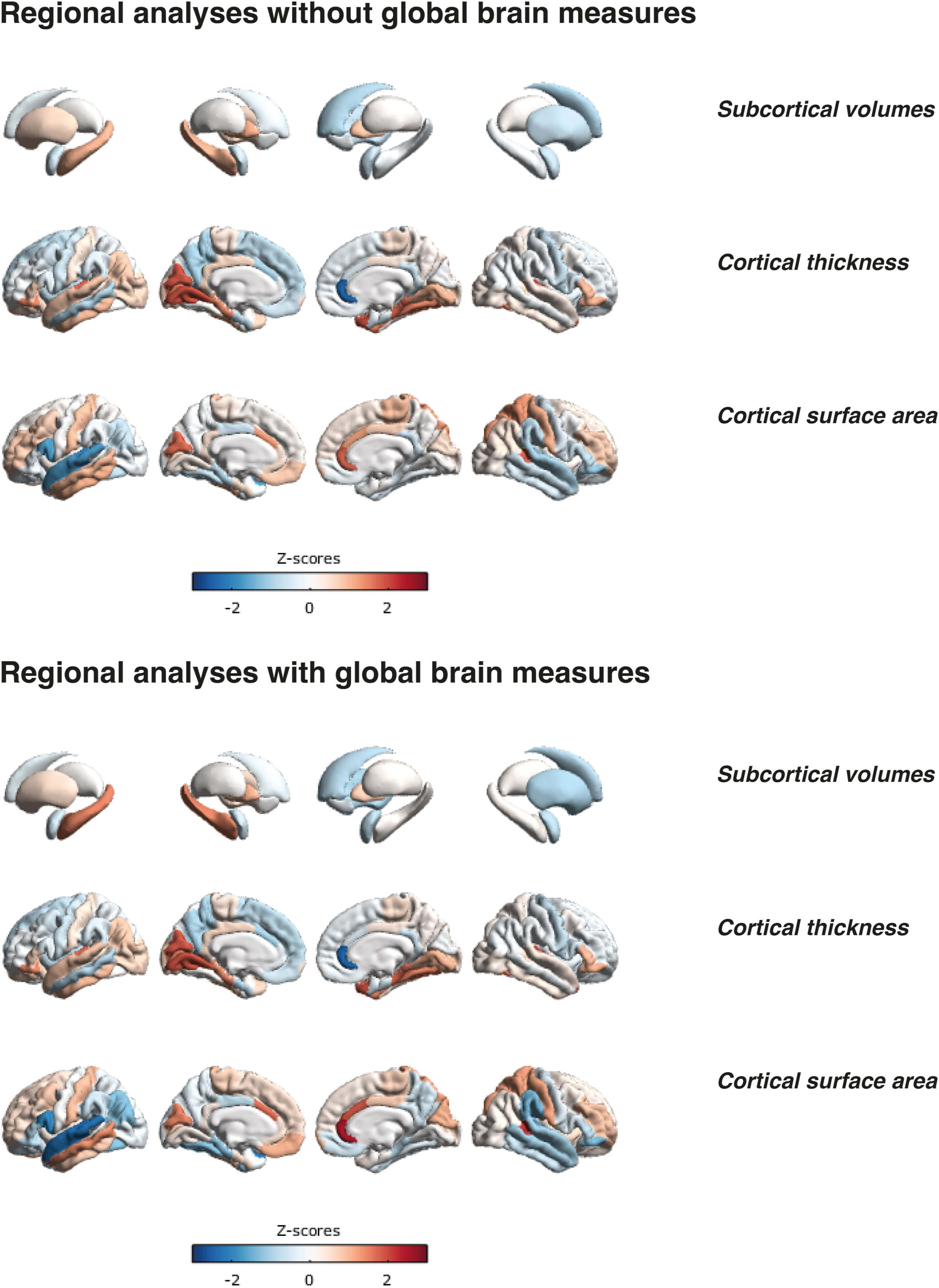
The paper she co-authored with Pine, his team and members of the international ENIGMA-Anxiety working group, titled "Structural Brain Correlates of Childhood Inhibited Temperament: An ENIGMA-Anxiety Mega-Analysis," was published in the Journal of the American Academy of Child & Adolescent Psychiatry. On Oct. 30, they presented their findings at the annual meeting of the American Academy of Child and Adolescent Psychiatry in Atlanta, where their article was named Paper of the Year and received the Norbert and Charlotte Rieger Award for Scientific Achievement.
"We collected hundreds of brain scans from research centers around the world," Bas-Hoogendam explains. " The researchers carefully prepared the introduction and methodology and submitted them to colleagues at the Journal of the American Academy of Child & Adolescent Psychiatry ( JAACAP ) for peer review before beginning their analyses, as a registered report .
Source link