This article has been reviewed according to Science X's editorial process and policies. Editors have highlighted the following attributes while ensuring the content's credibility:
One of the central problems in psychiatry is the lack of objective biomarkers: While other areas of medicine have reliable methods for diagnosis and treatment, like X-rays or blood tests, psychiatrists and researchers rely on the patient's self-reported symptoms. In a new study, researchers identified connectivity within the hippocampus as a novel biomarker candidate for the early risk stages of psychotic disorders—and a potential predictor for difficult-to-treat negative symptoms.
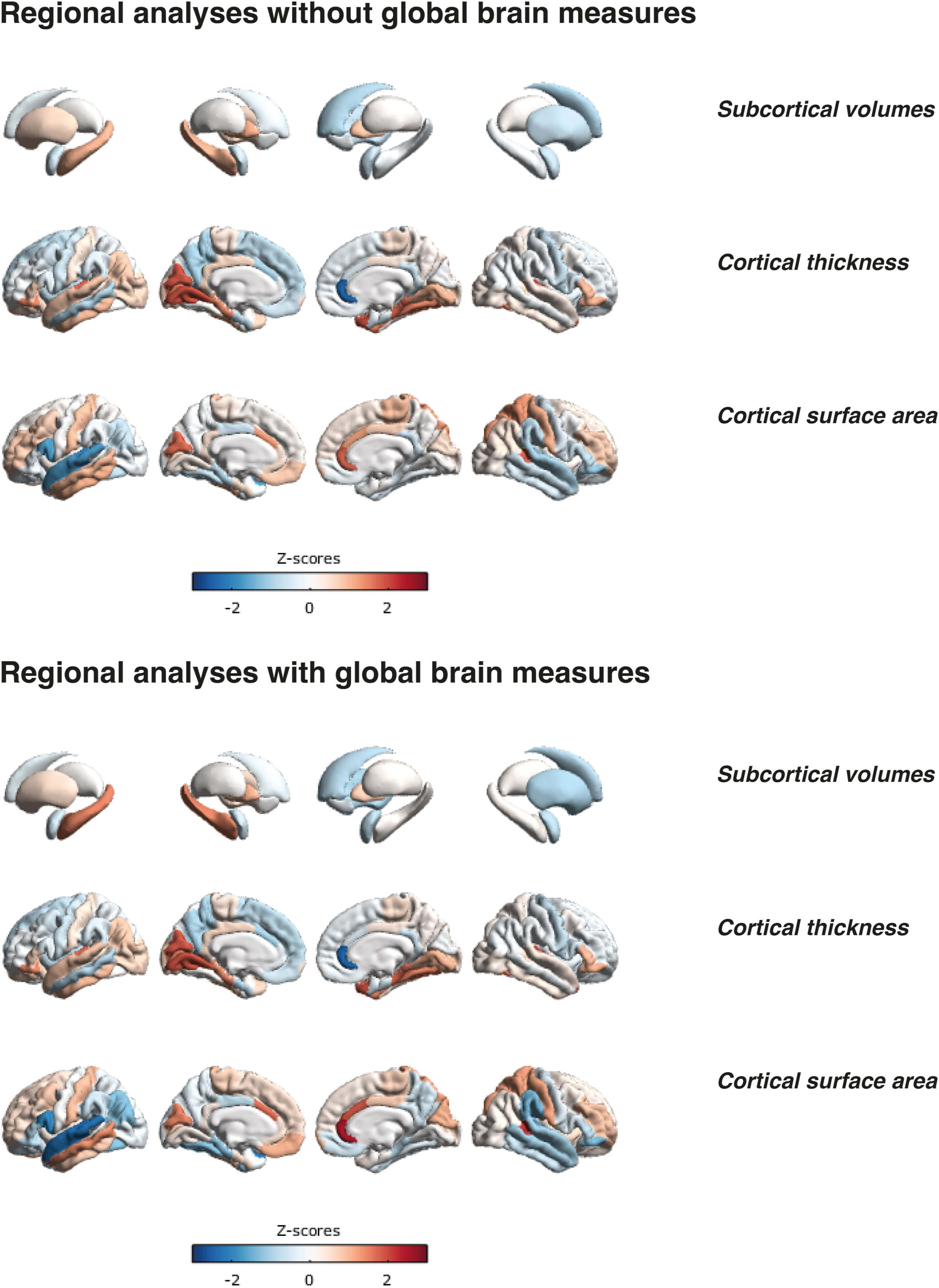
Using data from the North American Prodrome Longitudinal Study (NAPLS-3), a collaborative research team from the Max Planck Institute of Psychiatry in Munich and the University of Melbourne, Australia, analyzed functional MRI and clinical symptom data from 434 participants: 356 high-risk participants and 78 healthy controls. High-risk participants, although showing initial subclinical symptoms of psychosis like attenuated hallucinations, do not yet fulfill the full diagnostic criteria for a psychotic disorder. The data collection took place at five different points over a span of eight months.
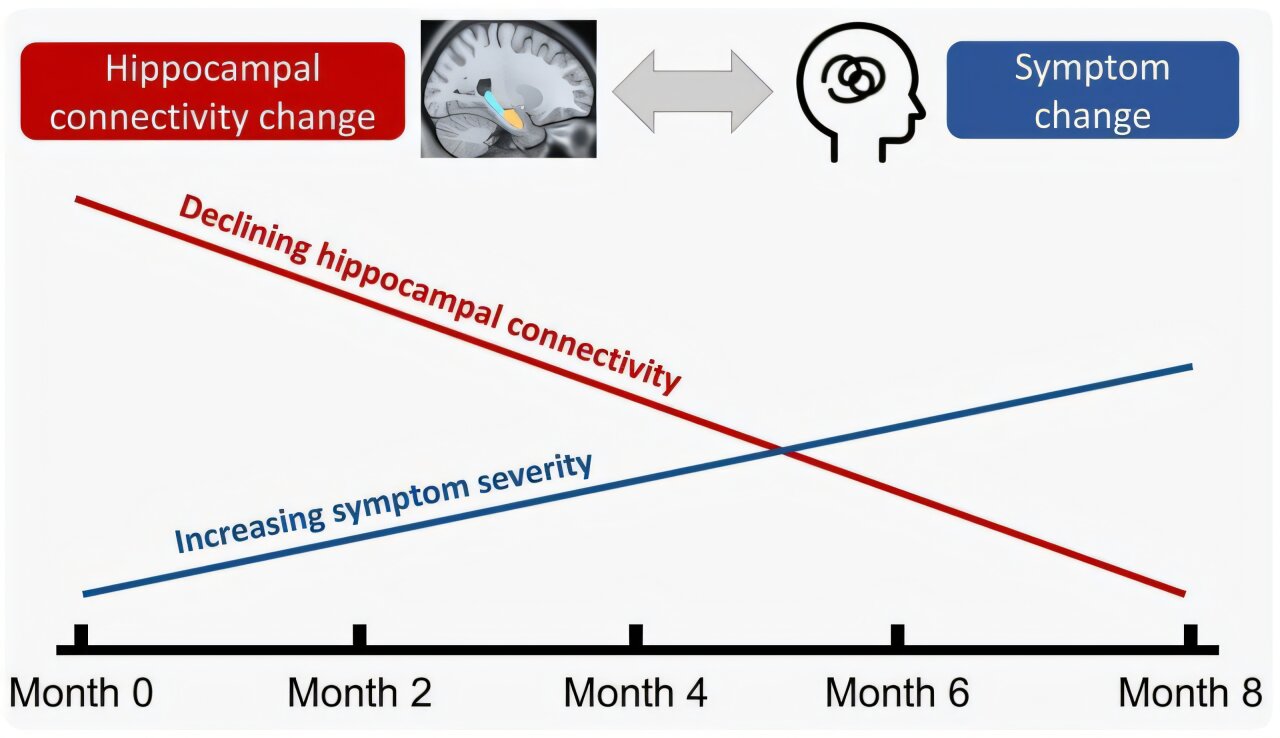
The results, published in Nature Mental Health, showed that declining connectivity in the hippocampus was associated with worsening negative symptoms such as a lack of motivation, worsening depressive symptoms and worsening psychosocial functioning. There was no measurable impact of declining hippocampal connectivity on other symptoms like cognitive functioning or on positive symptoms like hallucinations or delusions.
Notably, a reduction in connectivity during the first two months predicted an increase in negative symptoms in the following months.
Source link