This article has been reviewed according to Science X's editorial process and policies. Editors have highlighted the following attributes while ensuring the content's credibility:
Researchers at King Abdullah University of Science and Technology (KAUST) and King Faisal Specialist Hospital and Research Center (KFSHRC) identify a previously unknown cause of a fatal newborn brain disorder, giving long-awaited answers to families whose children were affected by the disease.
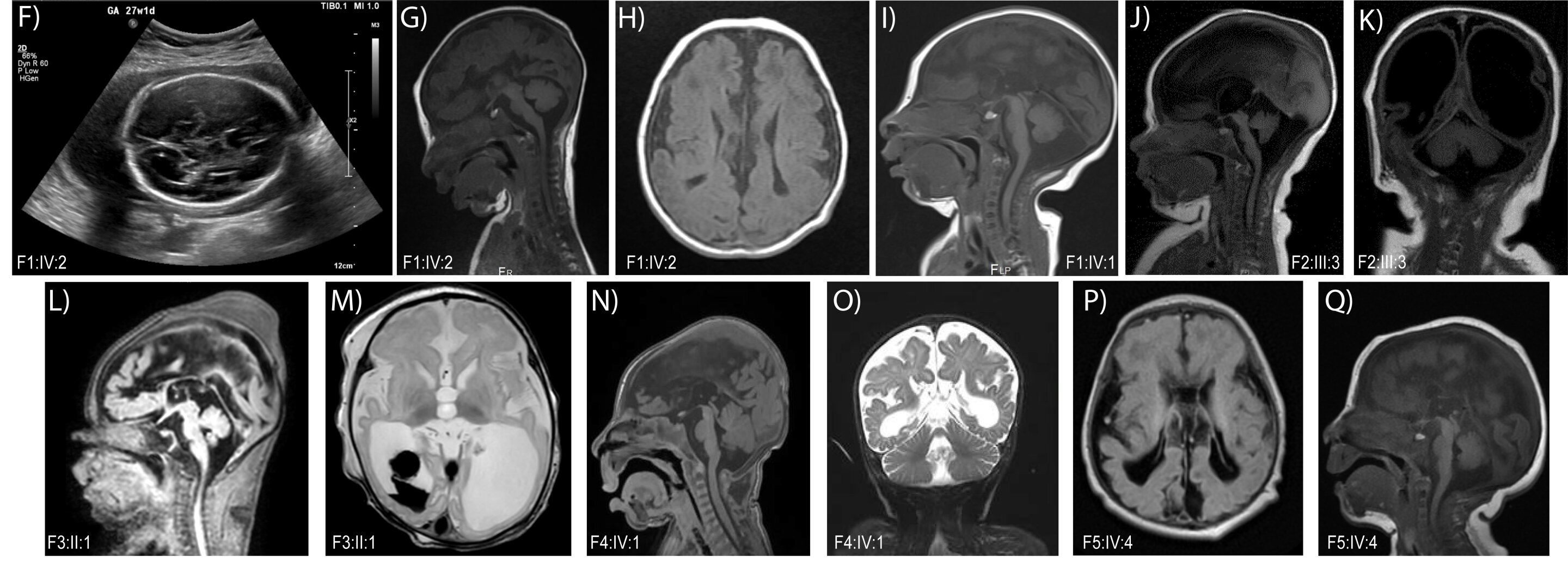
The disorder affects brain development from before birth and can cause severe neurological problems from the earliest stages of life. Affected children can experience seizures, profound developmental difficulties and significant abnormalities in the structure of the brain. For some families, the condition has resulted in the loss of more than one child, without parents knowing what caused it or whether it could happen again.
Published in Genome Medicine, the study brought together five unrelated families across Saudi Arabia, Europe and North America whose children had experienced similar patterns of illness. By connecting these cases, researchers were able to identify a shared genetic cause and recognize the condition as a previously unknown disorder.
"Knowing that this disease has a rare genetic cause can bring comfort to families who have lived for years with uncertainty about their tragic losses," said professor Jasmeen Merzaban, co-lead of the study at KAUST. "It also enables clinicians around the world to recognize similar cases and detect the disease through genetic testing during pregnancy."
By comparing cases of children from the five families and conducting cellular testing, the team discovered changes in the same gene, VPS25, which is responsible for maintaining nerve cells.
Source link