This article has been reviewed according to Science X's editorial process and policies. Editors have highlighted the following attributes while ensuring the content's credibility:
Proteins linked to the immune system, cell adhesion, blood vessel formation and known prostate cancer genes were associated with the future risk of developing prostate cancer, including aggressive disease, in a new study led by researchers at Oxford Population Health.
The findings reveal biological differences between men who later developed prostate cancer and those who did not and may help guide future studies aimed at identifying men at greater risk of the disease.
The study, published in European Urology and presented at the American Society of Human Genetics (ASHG) Annual Meeting, is the largest population-based investigation to date of blood proteins and future prostate cancer risk, with a particular focus on aggressive disease.
Prostate cancer is the most commonly diagnosed cancer in men worldwide, but relatively little is known about why some men develop the disease or why some cancers become aggressive. Most established risk factors, such as age and genetics, cannot be changed.
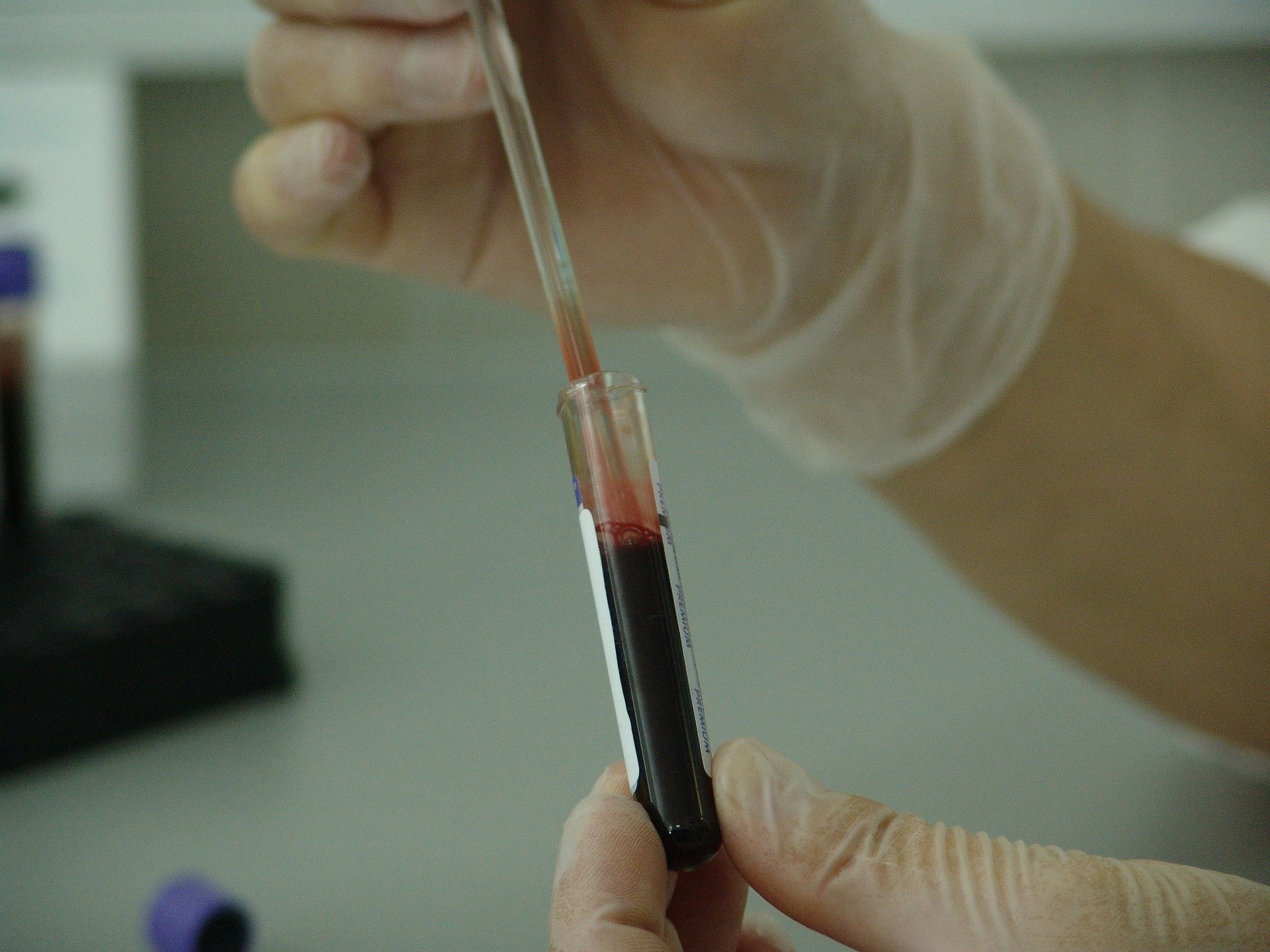
The researchers analyzed blood samples from 982 men who subsequently developed prostate cancer and a randomly selected sample of 1,573 men from the European Prospective Investigation into Cancer and Nutrition (EPIC).
They measured more than 6,000 proteins in the blood and looked for differences linked to the later development of prostate cancer, particularly aggressive disease. Participants were followed for around 16 years.
Twelve proteins were linked to prostate cancer diagnosed more than 15 years after the blood sample was collected.
Source link