This article has been reviewed according to Science X's editorial process and policies. Editors have highlighted the following attributes while ensuring the content's credibility:
Researchers have identified a substance that reduces blood vessel lesions in the brain in the disease cerebral cavernous malformation (CCM). The substance is already used to treat brain tumors in children and could therefore be repurposed relatively rapidly to treat CCM, hopefully replacing surgery, currently the only treatment option.
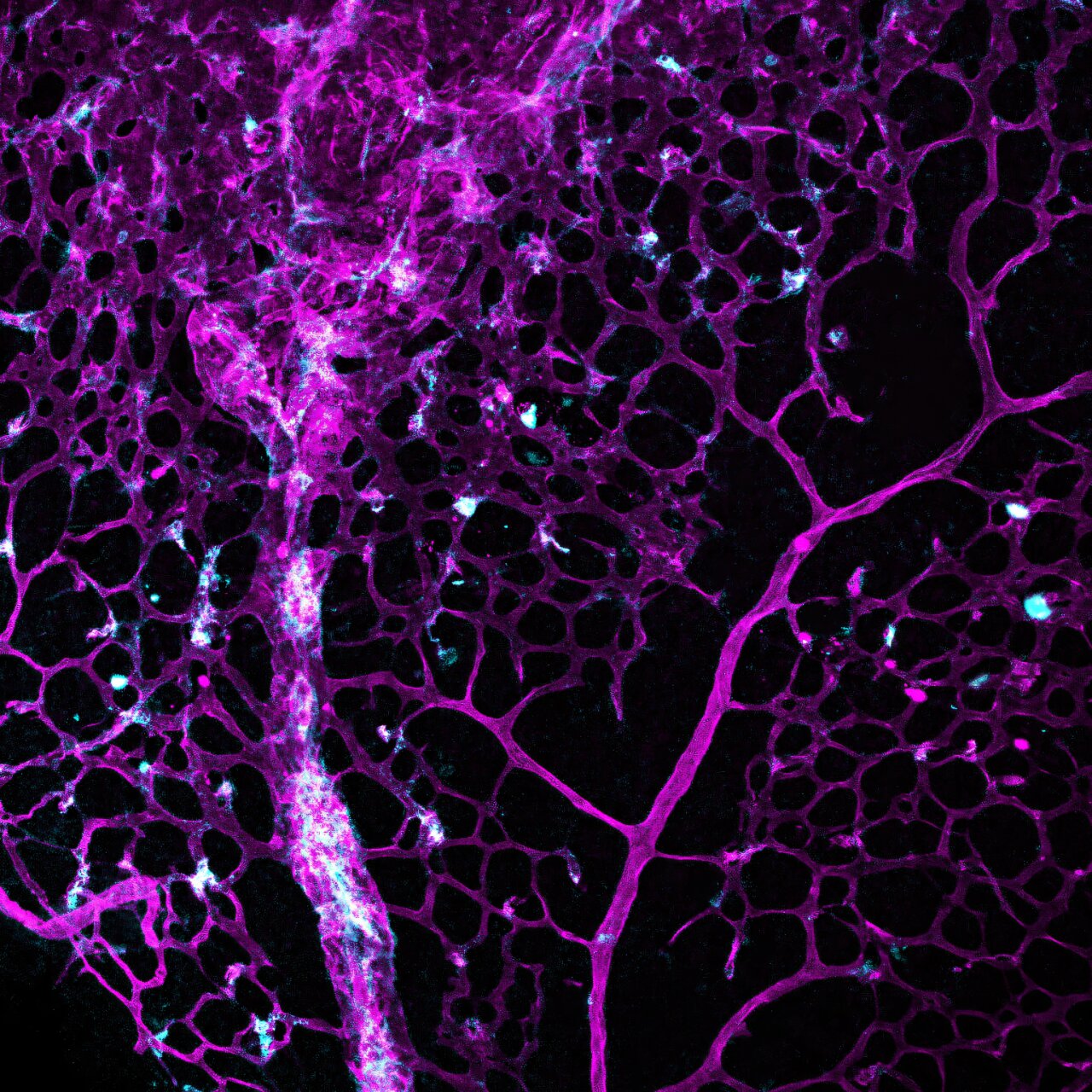
In the disease cerebral cavernous malformations (CCM), fragile, mulberry-like malformed blood vessel structures form in the brain. This can cause hemorrhages and, in some cases, acute bleeding (stroke). Currently, the only treatment option is surgery to remove the lesions. As patients often present with multiple lesions, there is an urgent need to develop noninvasive therapeutic strategies.
In the study, published in the journal Science Translational Medicine, the researchers identified a substance that was shown to reduce both the number and size of the vascular malformations.
"We tested more than 5,000 bioactive molecules on cultured CCM mouse vascular cells to identify compounds that could normalize their pathogenic phenotype," says Maximiliano Arce, first and co-corresponding author of the study.
"Top drug candidates were subsequently studied in cultured human brain vascular cells and in CCM animal models. The most promising results came from dabrafenib, a BRAF inhibitor that efficiently reversed the pathological phenotype in vitro and halted cavernoma progression in vivo. Remarkably, dabrafenib targeted two pathological signaling pathways that contribute to CCM development and progression."
To investigate whether dabrafenib could work as a drug to treat CCM, the researchers tested its effect in a mouse model with CCM.
Source link