This article has been reviewed according to Science X's editorial process and policies. Editors have highlighted the following attributes while ensuring the content's credibility:
A third surgery performed at Rush University Medical Center has marked a new chapter in advancing vision restoration for people with total blindness.
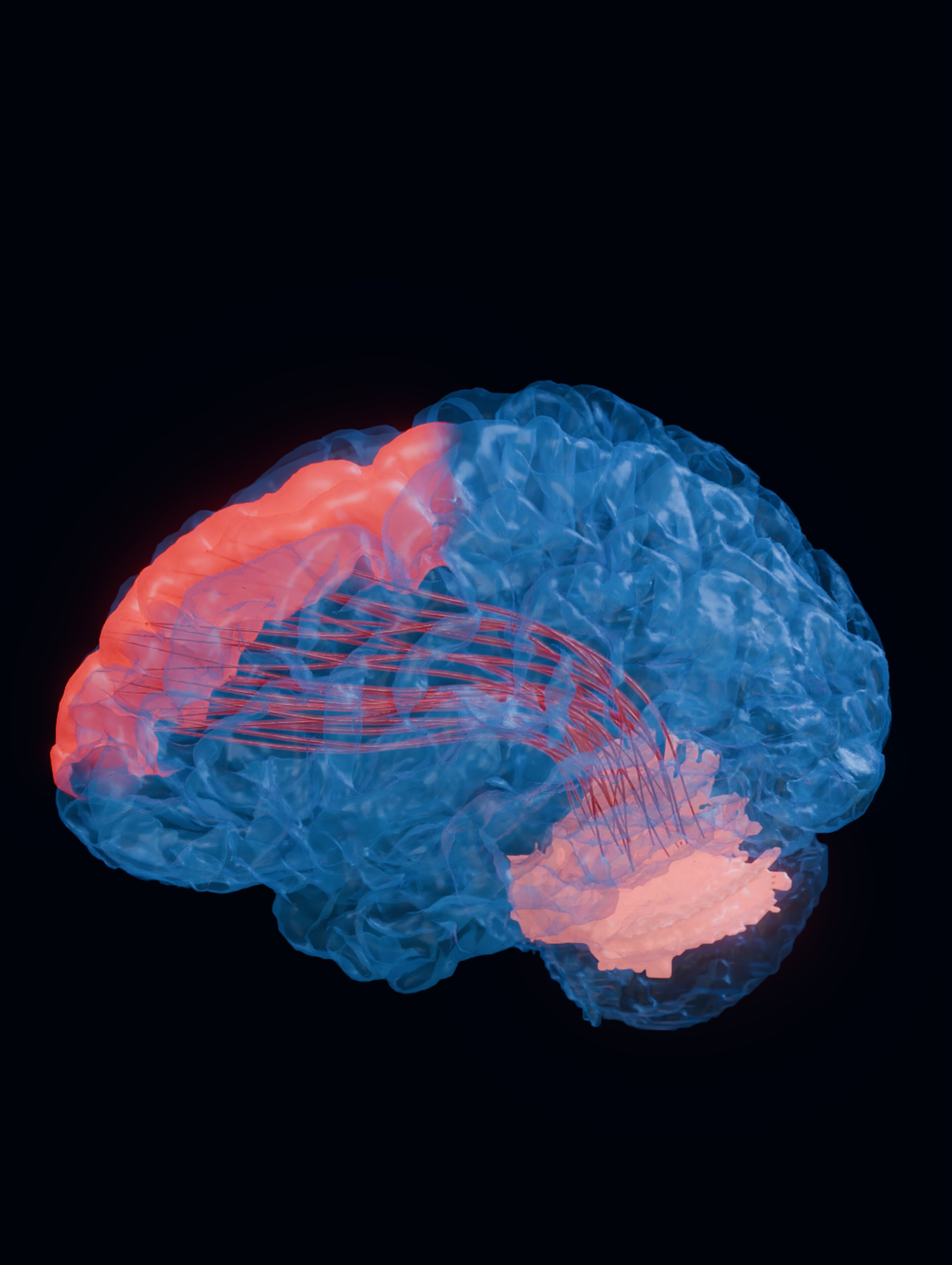
The intracortical visual prosthesis, designed to provide artificial vision, was placed successfully in a third participant in a study of the new technology. The ICVP is a wireless brain implant that bypasses the retina and optic nerves to connect directly to the brain's visual cortex.
Developed by a multi-institution team led by Philip R. Troyk, executive director of the Pritzker Institute of Biomedical Science and Engineering at Illinois Institute of Technology and professor of biomedical engineering, this third implantation underscores the scalability and robustness of the system. The ICVP is the culmination of nearly three decades of work dedicated to providing artificial sight to those who have lost their vision through eye disease or trauma.
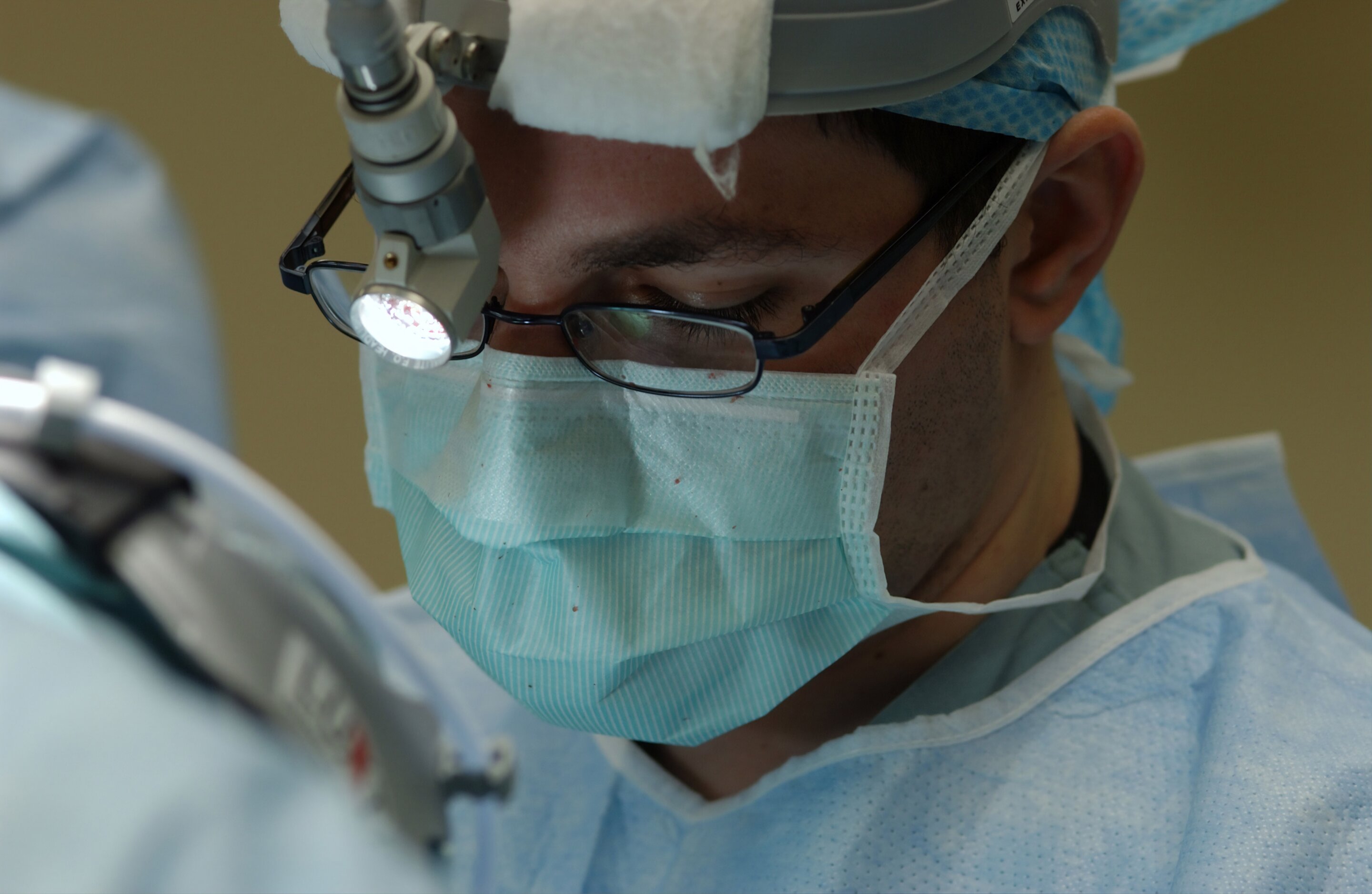
"The success of this third implantation of the ICVP represents an important step forward in offering a meaningful option for patients with profound vision loss," says Sepehr Sani, Rush professor of neurological surgery, program director for the Stereotactic & Functional Neurosurgery Fellowship program and the surgeon who implanted the device.
"This project underscores the immense possibilities of neurotechnology. By translating decades of research into real-world applications, we are forging new pathways to enhance lives," Troyk says. "We're driven by the potential of this technology to restore autonomy and improve the quality of life for individuals living with blindness.
Source link