This article has been reviewed according to Science X's editorial process and policies. Editors have highlighted the following attributes while ensuring the content's credibility:
Excessive physical exercise affects more than just the muscles; it can also alter brain chemistry. A new study published in the journal Neuroscience reveals that exhaustive training without adequate rest alters the regulation of dopamine in the hippocampus, a brain region closely linked to memory and the regulation of emotions.
When observing mice subjected to an intense exercise routine, Brazilian researchers noted that dopamine, a neurotransmitter essential for alertness and motivation, remained elevated at a time when the animals should have been resting. If this same mechanism is confirmed in humans, the discovery could help explain why athletes who train excessively often suffer from anxiety, insomnia and chronic fatigue. This would highlight the biological importance of rest for physical performance and mental health.
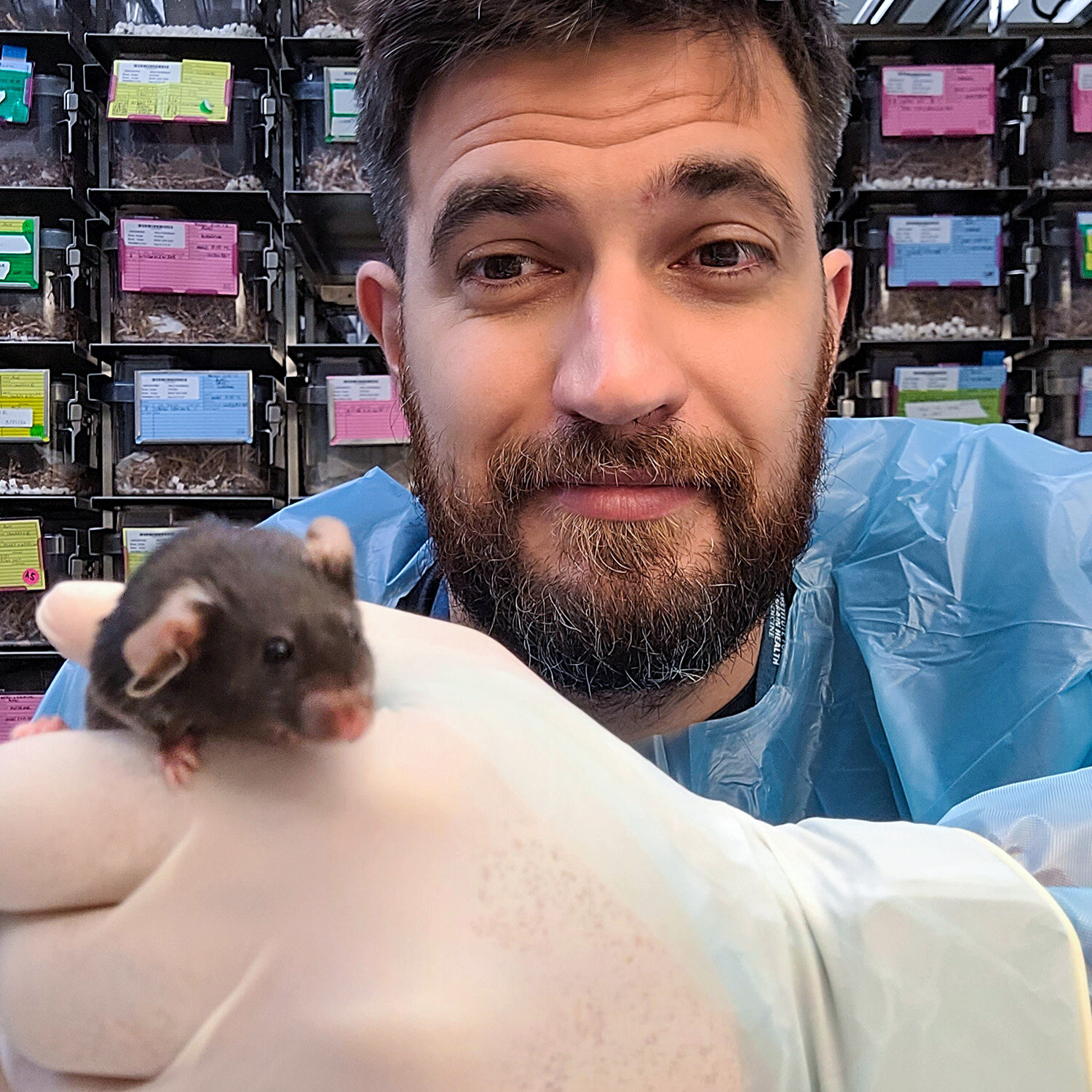
"Our findings show that excessive physical exercise affects not only skeletal muscle but also has a pronounced impact on the brain," said Alisson Luiz da Rocha, the first author of the study. He conducted the research as part of his doctoral studies at the Ribeirão Preto School of Physical Education and Sports at the University of São Paulo (EEFERP-USP) in Brazil.
According to da Rocha, the data reinforce the view that physical activity has a direct and profound effect on the central nervous system, going far beyond the building of muscle mass.
To understand these dynamics, the scientists divided the mice into two main groups.
Source link