This article has been reviewed according to Science X's editorial process and policies. Editors have highlighted the following attributes while ensuring the content's credibility:
A study of people who had been exposed to a disaster found different long-term patterns of alcohol use and mental health that were interrelated and influenced by individual differences and the type of disaster they experienced. The study, published in Alcohol: Clinical and Experimental Research, calls attention to the long-term mental and behavioral health challenges of people who have experienced disasters and the need for interventions tailored to their particular mental health profiles to prevent problem drinking.
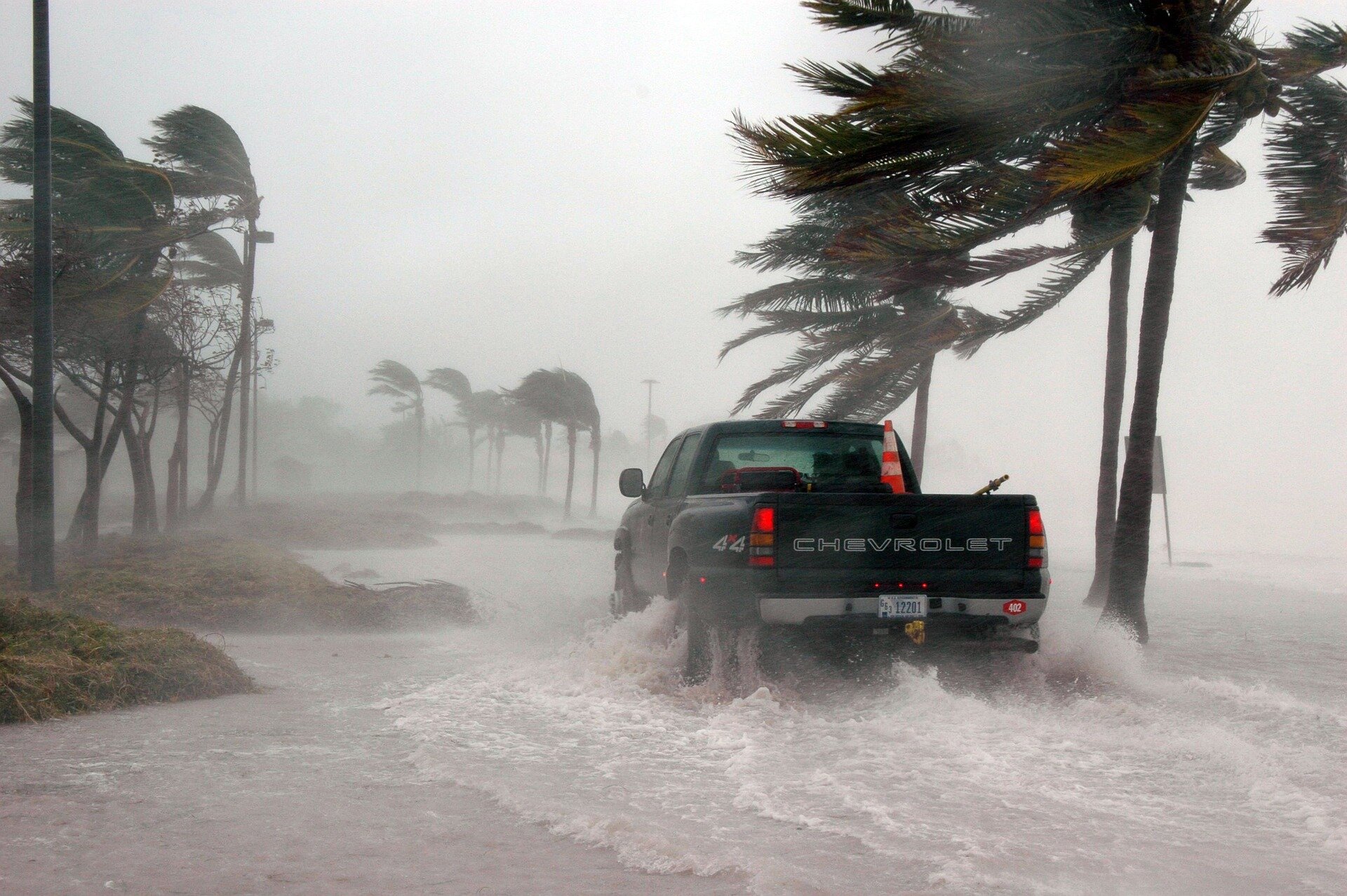
Over nine years, researchers repeatedly interviewed people in the Gulf Coast region of the United States about their drinking patterns, mental health and health anxiety following different disasters, namely, the Deepwater Horizon oil spill, a series of catastrophic hurricanes and the COVID pandemic.
The 941 study participants were classified into one of four groups. Half of the participants showed consistently high alcohol use throughout the study, classified as "elevated stable," while one-third, classified as "low stable," had consistently low levels of alcohol use. The remaining two groups, each making up roughly 10% of participants, showed changes in drinking over time. The "decreasing drinking" group started at levels similar to the elevated stable drinking group and reduced their drinking over time, while the "increasing drinking" group started at levels similar to the low stable group and increased their drinking.
Elevated stable and increasing drinking patterns were linked to worsening depression, while participants in the elevated stable and decreasing drinking groups experienced increases in health anxiety over time.
Source link