This article has been reviewed according to Science X's editorial process and policies. Editors have highlighted the following attributes while ensuring the content's credibility:
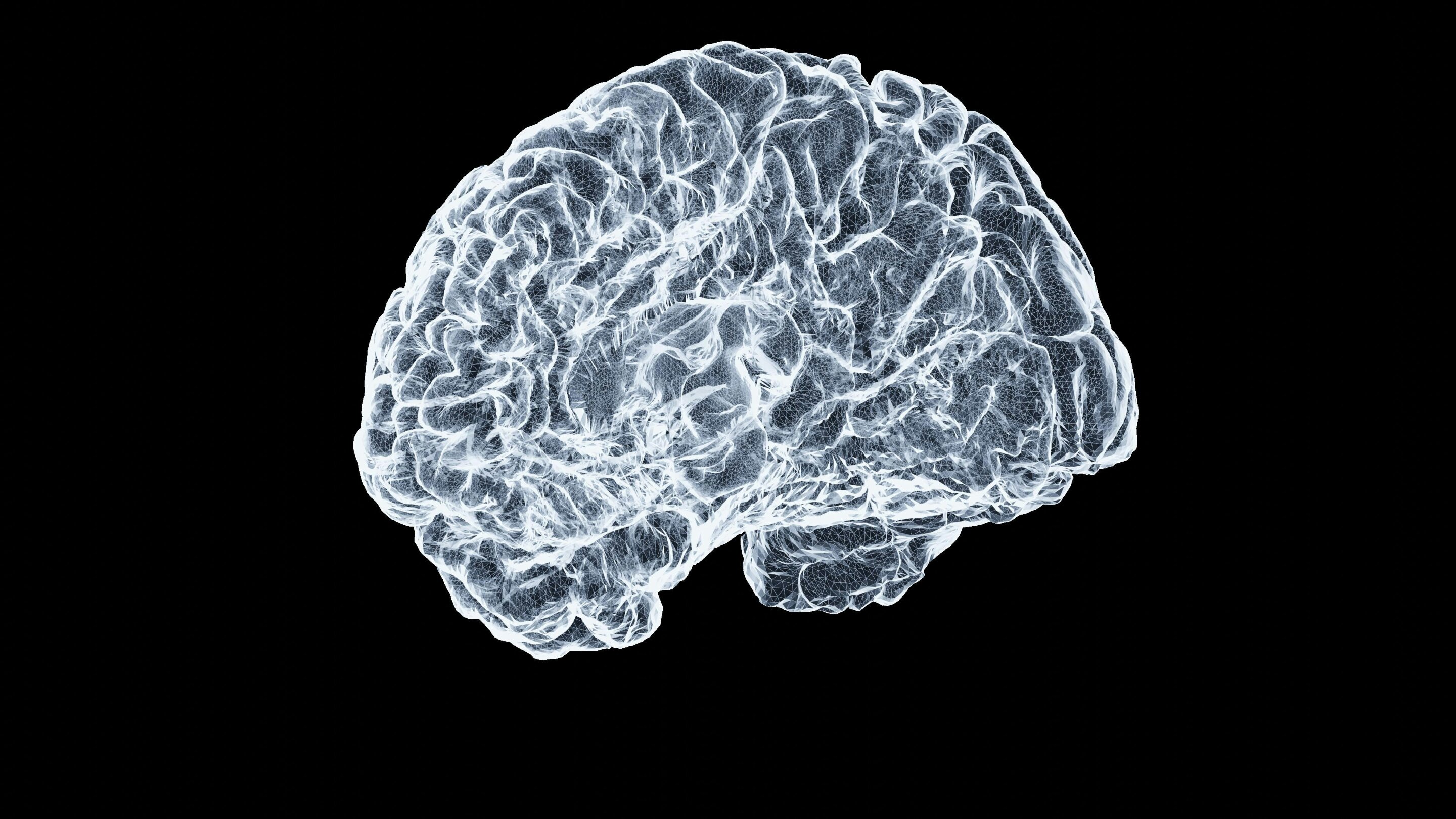
Diseases such as Alzheimer's and frontotemporal dementia are considered neurodegenerative tauopathies, in which tau proteins in the brain misfold and lead to cognitive decline. Until now, it has been unclear how misfolded tau recruits other seemingly healthy tau and causes it to misfold and clump.
A new study led by Northwestern University researchers, in collaboration with researchers at the University of California, Santa Barbara, found that tau vulnerable to misfolding carries a single dominant hotspot. That site binds to the matching site on a neighboring tau or on a tau at the end of an existing fibril, and the incoming tau then misfolds to match.
The hotspot is hydrated by water that wraps over and protects a hydrophobic site, and releasing that water pulls the two together.
This finding could help scientists diagnose tauopathies, block misfolded tau from converting other normal tau to misfolded shapes and design therapeutic solutions in the future.
The study was published in the Proceedings of the National Academy of Sciences.
"Once you know that aggregation-prone tau proteins always have a hotspot that is first attracted to the same site of tau that is stacked to fibrils, then you know there's always some part of the protein that you can target to neutralize," said Songi Han, senior author of the study.
Source link