This article has been reviewed according to Science X's editorial process and policies. Editors have highlighted the following attributes while ensuring the content's credibility:
Tuberculosis preventive treatment (TPT) is considered one of the most important public health tools to protect individuals and countries from the deadly infectious disease and is a critical part of the World Health Organization's goal to end the global TB epidemic by 2035. This treatment, which includes antibiotic medicines that can prevent inactive TB infections from developing into active disease, has been shown to be highly effective, but how long this protection lasts—and whether its duration varies by region or community risk level—remains unclear.
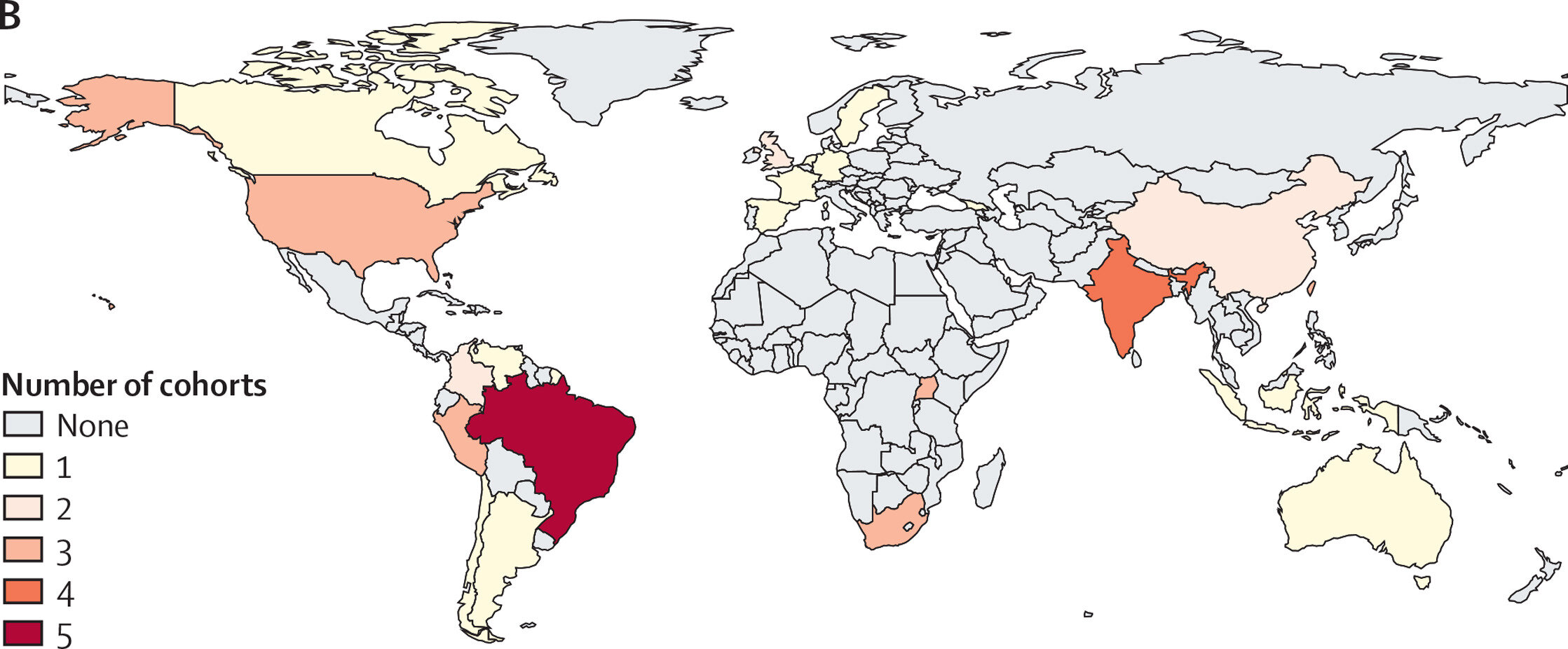
To better understand the duration of protection from TPT, researchers at Boston University School of Public Health (BUSPH) and the University of California, Berkeley School of Public Health (UC Berkeley) estimated TB risk among people with TB infections in 24 countries and found that TPT offered strong initial protection, but long-term protection varied depending on the burden of TB disease in each area.
Published in The Lancet Respiratory Medicine, the study found that TPT offered strong protection during the first 12–24 months across settings with all levels of TB burden. In medium- and low-burden settings, this protection lasted for at least eight and 13 years, respectively, and there was no significant difference in long-term TB disease risk between people who did and did not complete the full course of medication.
However, in high-burden settings, the initial protection achieved from TPT began waning after just one year of taking the medication.
Source link