This article has been reviewed according to Science X's editorial process and policies. Editors have highlighted the following attributes while ensuring the content's credibility:
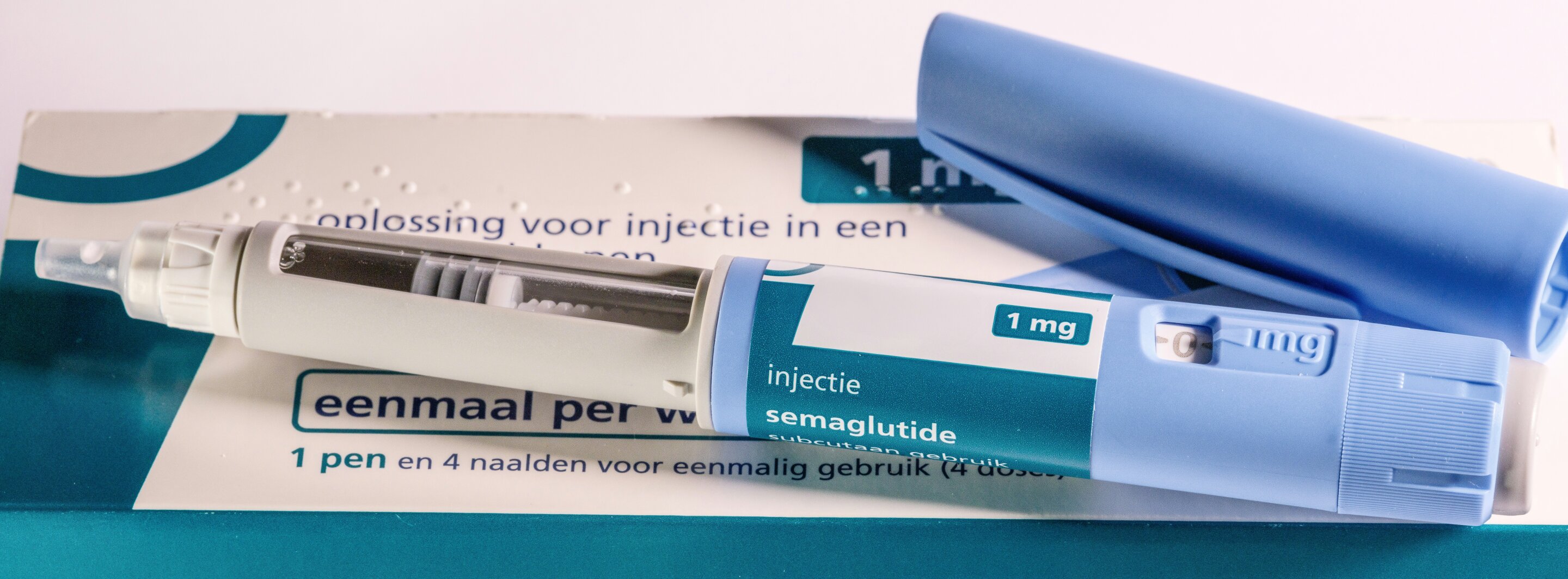
Semaglutide is known to reduce the risk of serious heart disease. However, a new study published in the European Heart Journal suggests that this effect cannot be entirely explained by patients losing weight on the drug.
Researchers examined known risk factors for heart disease, such as body weight and waist circumference, in patients taking part in a clinical trial of semaglutide for overweight and obesity. Although the risk of serious cardiovascular disease was lower for those taking the drug, only half of this reduction could be explained by changes in these risk factors.
The researchers say semaglutide may also be working to reduce heart disease in some other way, meaning it can be considered a way of preventing serious cardiovascular disease, over and above its current use as a weight loss treatment.
The study is based on patients taking part in a gold-standard clinical trial called SELECT (Semaglutide Effects on Cardiovascular Outcomes in People with Overweight or Obesity). Half of the 17,604 patients in the trial were treated with semaglutide, a type of drug called a GLP-1 receptor agonist, and half were given a placebo.
The study was led by Professor Helen Colhoun from the University of Edinburgh, UK. She said, "Several major trials have established that GLP-1 receptor agonists reduce serious cardiovascular disease, primarily in people with type 2 diabetes. SELECT was the first trial to show that these drugs can also lower cardiovascular disease in people who did not have diabetes.
Source link