This article has been reviewed according to Science X's editorial process and policies. Editors have highlighted the following attributes while ensuring the content's credibility:
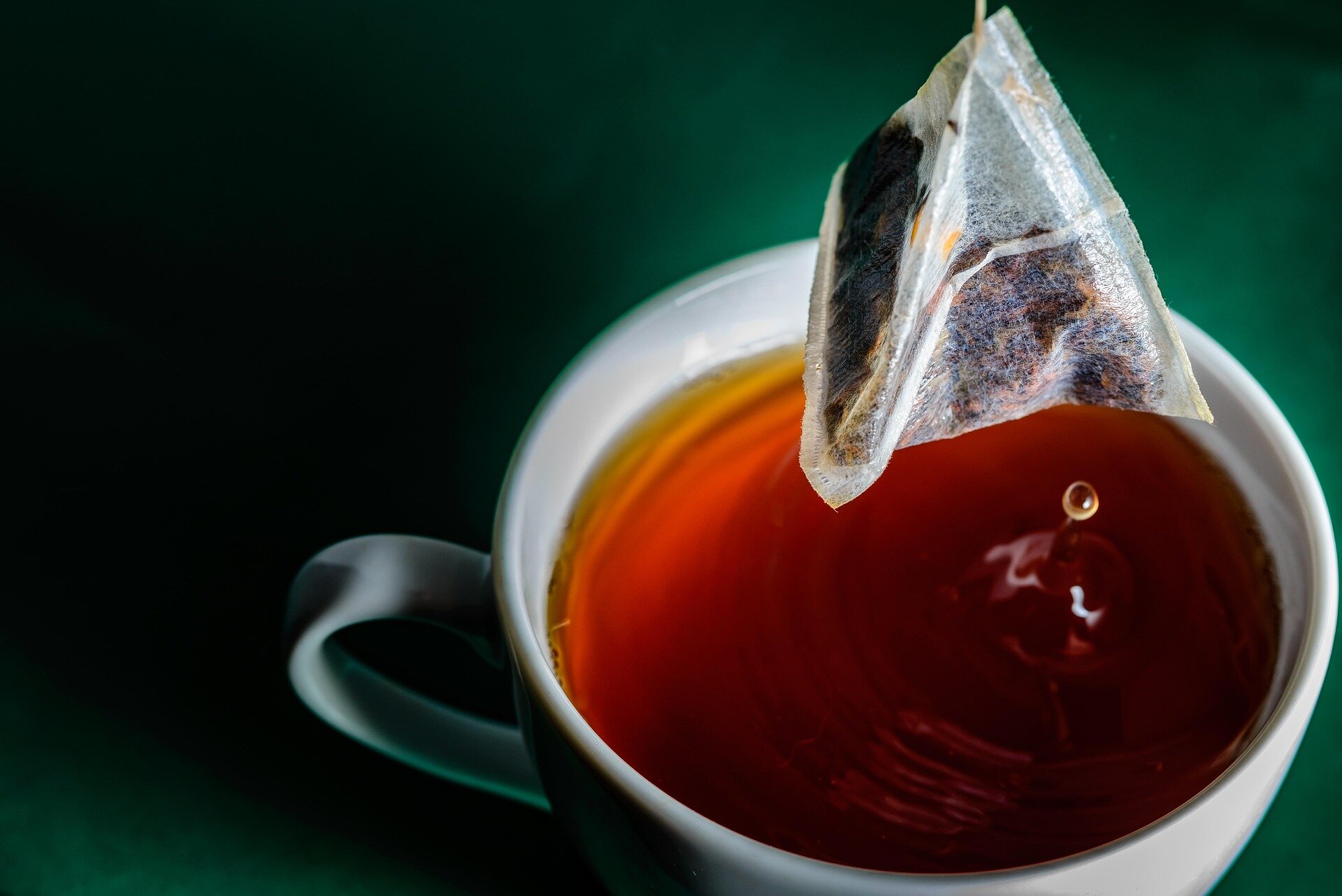
Microplastics are now impossible to avoid. They have made their way into everything from agricultural soils to freshwater systems. So, it is unsurprising that they end up in most foods and drinks. However, some methods of packaging or serving these items can increase microplastic exposure even more. One such example is the plastic tea bag. While many tea bags are still made of a cellulose material, some brands use a plastic mesh, despite the well-established fact that plastics can break down in hot water.
Studies have reported particle release from tea bags, along with the migration of other plastic-related chemicals, such as phthalate esters (PAEs) and bisphenol A (BPA), which are added during production for increased flexibility, durability and thermal resistance. One study even reported that a single plastic tea bag releases billions of microplastic pieces at normal brewing temperatures.
Now, a new study, published in npj Science of Food, has analyzed plastic tea bags from four different brands to break down their average microplastic release, the types of microplastics they contain and the PAE and BPA content in the average cup. The study compares tea brewed with plastic tea bags to bagless bulk tea.
Researchers involved in the new study screened four bagged-tea brands with plastic tea bags purchased in Turkey. They compared these to 14 bulk-tea brands. The plastic bags were brewed for three minutes at approximately 95°C (203 degrees Fahrenheit).
Source link