This article has been reviewed according to Science X's editorial process and policies. Editors have highlighted the following attributes while ensuring the content's credibility:
The prevalence of wildfires and co-occurring power outages is increasing in the United States. A study published Oct. 27 in PLOS Medicine by Lauren Blair Wilner, University of Washington, U.S., and colleagues suggests public safety power shutoffs aimed at preventing wildfires are associated with an increased risk of acute respiratory illness.
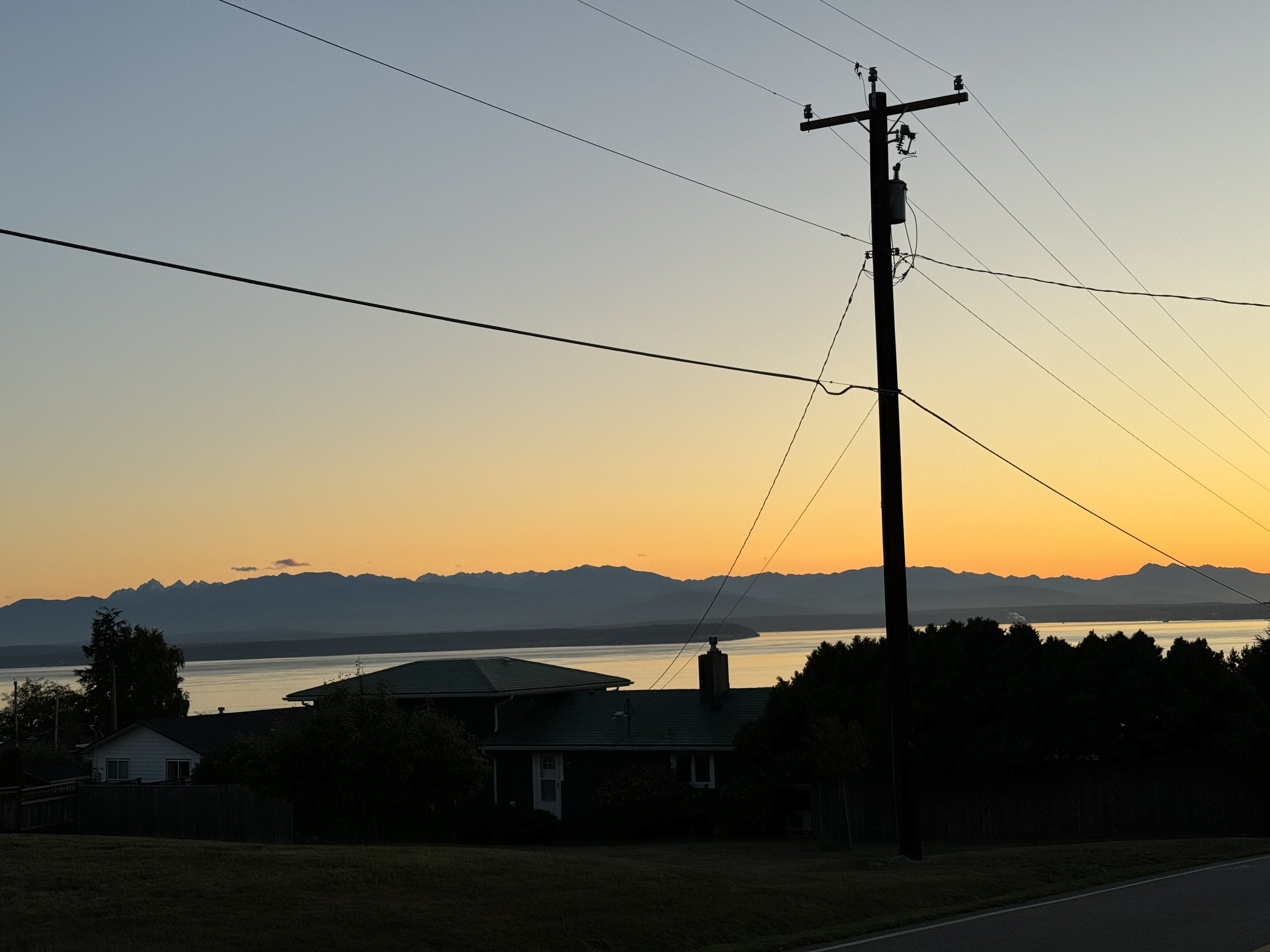
To prevent wildfires, electric utilities may preemptively de-energize power lines. During a power outage, people cannot run air filtration systems, refrigerators, air conditioners or other electricity-dependent devices. However, the health effects of these events are not well studied.
To better understand how power shutoffs affect health, researchers identified public safety power shutoff events between 2013 and 2019. They categorized shutoff magnitude based on the number of people without power by ZIP code and analyzed emergency room visits and unscheduled hospital admissions data from 1,504 California ZIP codes during planned outages.
The researchers found that planned power shutoffs were associated with increased rates of health care utilization related to respiratory conditions. When power shutoffs occurred in conjunction with wildfires, smoke further exacerbated emergency department and hospital admissions related to acute respiratory illnesses. The study had several limitations, including a lack of individual-level exposure data. Future studies are needed to better understand the individual households' exposure levels to more accurately assess related health outcomes.
According to the authors, "While intended to promote public well-being, these power shutoffs may affect health, particularly for people with respiratory conditions or dependence on electricity-powered medical equipment .
Source link