This article has been reviewed according to Science X's editorial process and policies. Editors have highlighted the following attributes while ensuring the content's credibility:
Cardiac troponin, a protein released into the blood when heart muscle is damaged, can be used as a quick measure of heart injury in adults, and testing for it has revolutionized adult cardiology. For children, however, doctors often lack data on normal troponin measurements.
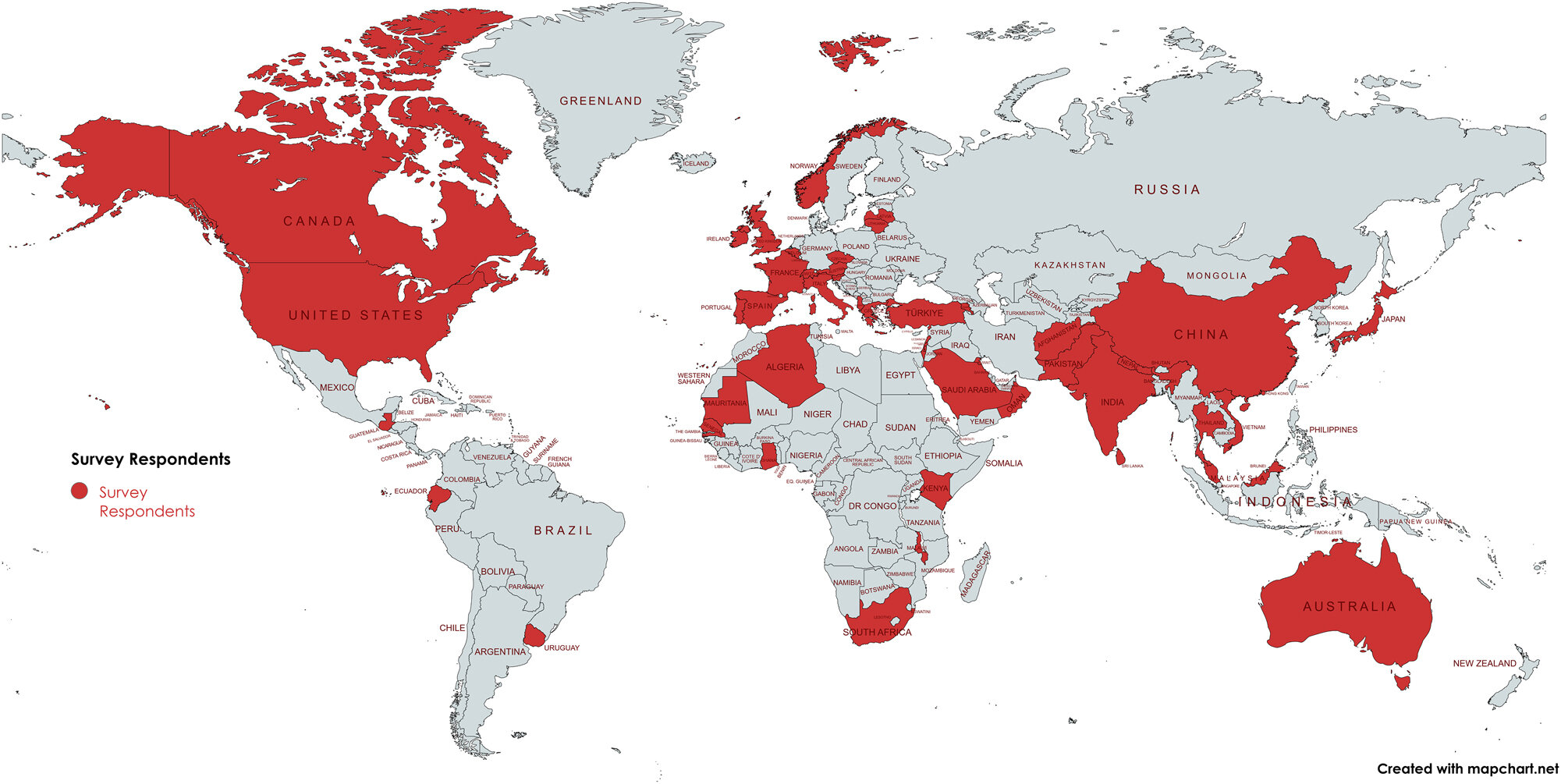
A new global survey examined how this issue is being tackled around the world. Conducted by the International Federation of Clinical Chemistry and Laboratory Medicine (IFCC) Committee on Emerging Technologies in Pediatric Laboratory Medicine (C-ETPLM), the study titled "Mapping pediatric cardiac troponin testing worldwide: results from the IFCC survey on emerging applications, standardization needs and access" is published in the journal, Clinical Chemistry and Laboratory Medicine (CCLM).
The survey found that most laboratories testing children for cardiac troponin rely on reference intervals (the normal ranges doctors need to flag an abnormal result) designed for adults, not children.
Of the eligible respondents, 58.5% reported offering cardiac troponin testing in-house, but 65.5% of these lacked child-specific reference intervals. Laboratories often relied on manufacturer-provided reference intervals for adults. While a few clinics had set up child-specific troponin benchmarks, the researchers found inconsistencies: different clinics used different cutoffs, with no agreement on how to derive the correct reference interval. Most clinicians and lab specialists surveyed identified this lack of consistent, validated child-specific guidelines as a major obstacle to giving children reliable heart care.
Source link