This article has been reviewed according to Science X's editorial process and policies. Editors have highlighted the following attributes while ensuring the content's credibility:
A digital parenting program has reduced sexual violence and exploitation among adolescent girls in Tanzania by more than half, according to new research led by the University of Oxford's Department of Social Policy and Intervention. A separate study suggests the program could also deliver substantial savings to health services, offering a potentially affordable way to prevent violence against children.
Findings published in The Lancet provide important evidence that digital support for parents and caregivers can help protect children from violence, while offering a model that could be delivered at scale in low-resource settings.
In a trial involving nearly 2,400 adolescents and their caregivers in Tanzania, girls whose families received the program, known as ParentApp, reported significantly lower rates of sexual violence and exploitation than those in the comparison group.
The study found that those receiving ParentApp reported 67% lower rates of sexual violence in the preceding year. Rates of sexual exploitation in the preceding month were also 54% lower.
The findings come as 129 governments prepare to discuss approaches to tackling violence against children at a Global Ministerial Conference on Nov. 16–19, 2026.
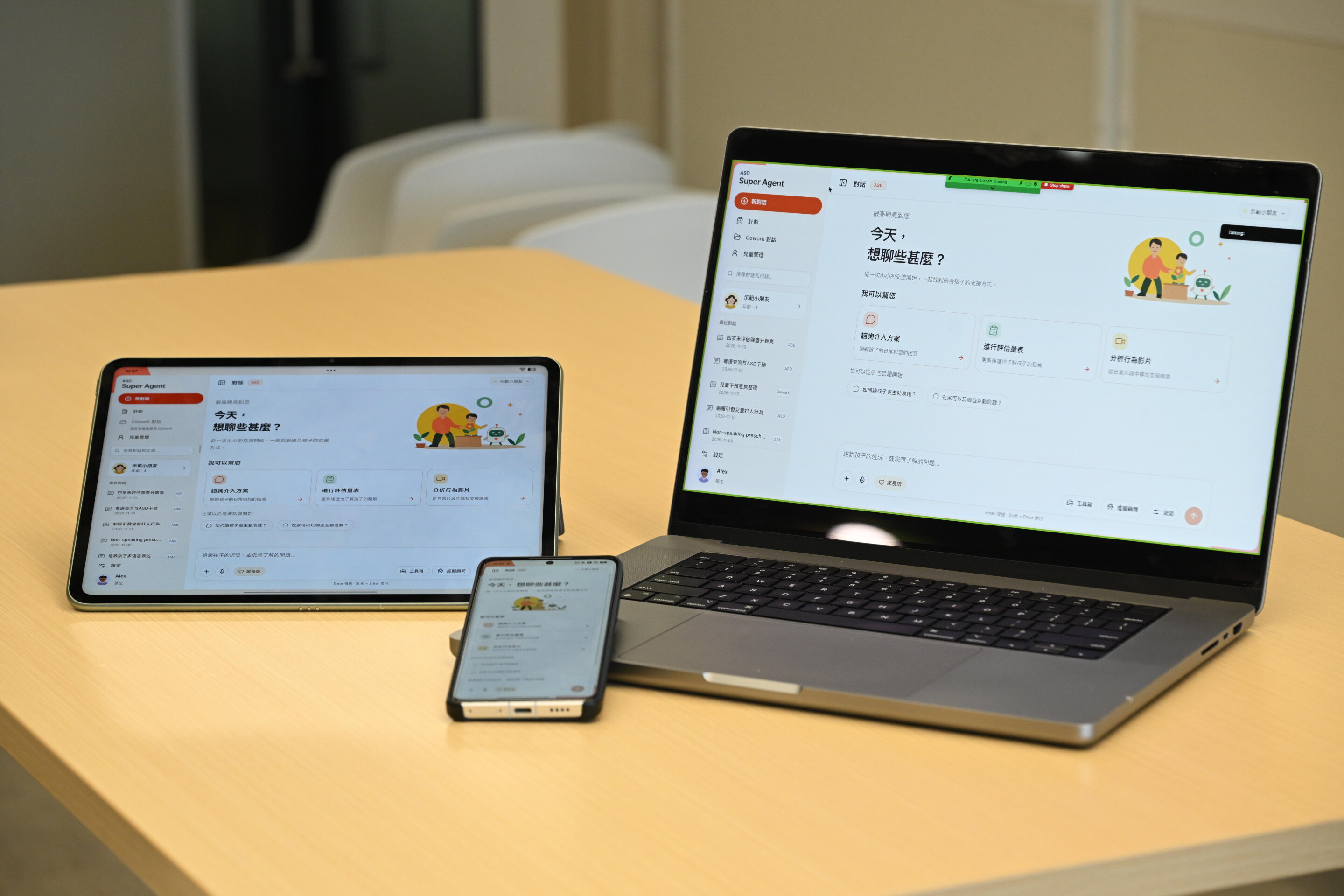
Developed from the WHO-UNICEF Parenting for Lifelong Health program, ParentApp provides practical guidance to parents and caregivers through 12 smartphone modules delivered offline in Kiswahili.
The program covers parenting skills and strategies to help protect children from violence, including sexual abuse and exploitation.
Source link