This article has been reviewed according to Science X's editorial process and policies. Editors have highlighted the following attributes while ensuring the content's credibility:
Many treatments for drug-resistant epilepsy require surgical procedures that carry risks and do not guarantee success. Therefore, there is a growing need for less burdensome therapies that can be used at home. Steven Beumer explored this challenge as part of his Ph.D. research, which was conducted within the PerStim (Personalized NeuroStimulation) project.
During his research, Beumer worked alongside neurologists at Ghent University Hospital (UZ Gent), a project partner, and observed surgery firsthand. "I especially wanted to experience direct contact with patients. How does epilepsy affect their lives? And how can technological expertise help improve their quality of life?" Beumer explains. His thesis is titled "Understanding the Power of Personalized Transcranial Electric Neurostimulation."
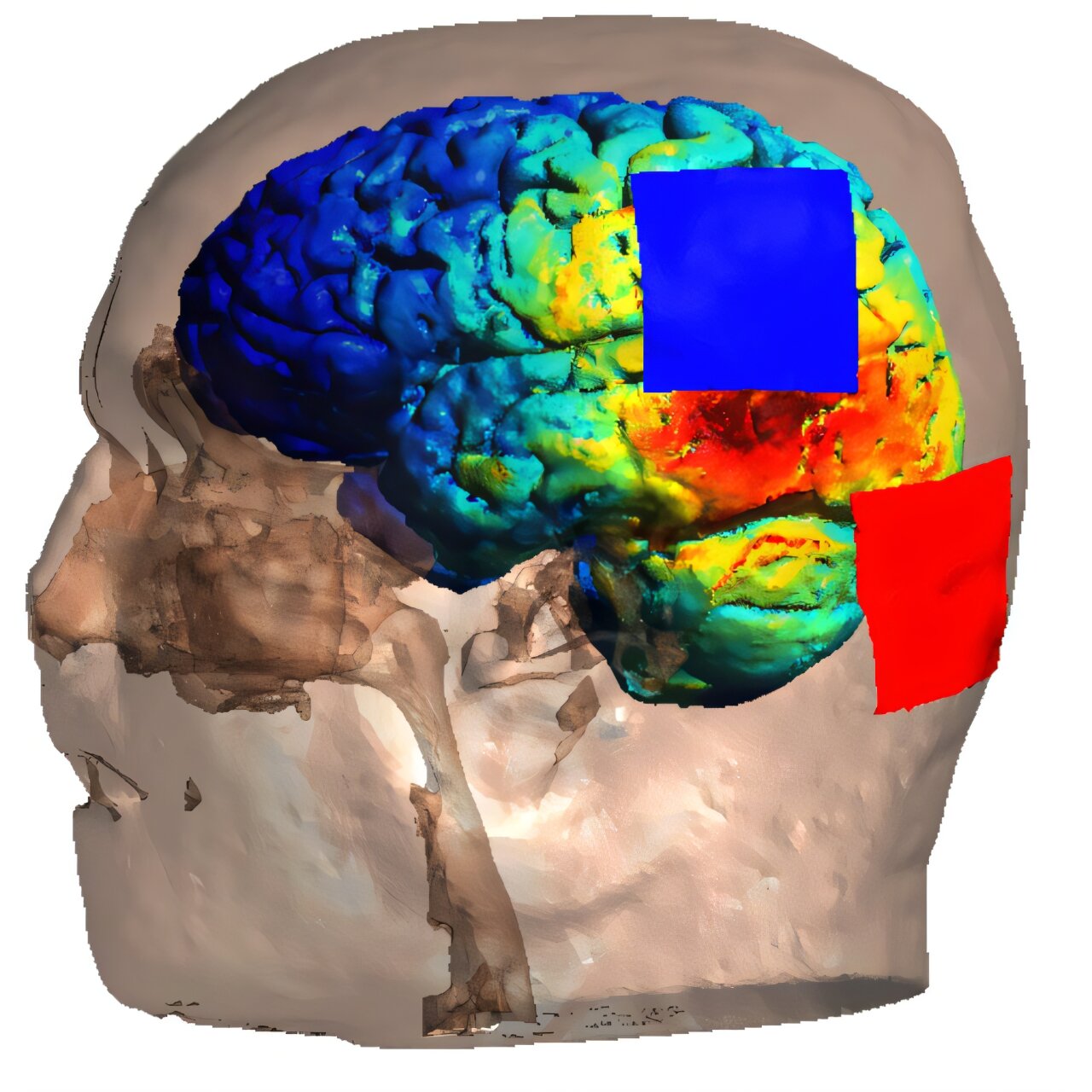
The method Beumer investigated focuses on brain stimulation using electrodes placed on the scalp. These electrodes deliver a weak electrical current to influence brain activity.
Key advantages of this technique are that it does not require surgery and that the stimulation is relatively easy to administer. Although the method has been studied for many years, researchers still do not fully understand how the stimulation process works.
Studies involving healthy volunteers showed that stimulation affects not only the brain directly but also the nerves in the scalp.
"You can think of the stimulation as giving the brain a small nudge. We then measure the effect indirectly through a healthy volunteer's finger. Does the finger move?
Source link