This article has been reviewed according to Science X's editorial process and policies. Editors have highlighted the following attributes while ensuring the content's credibility:
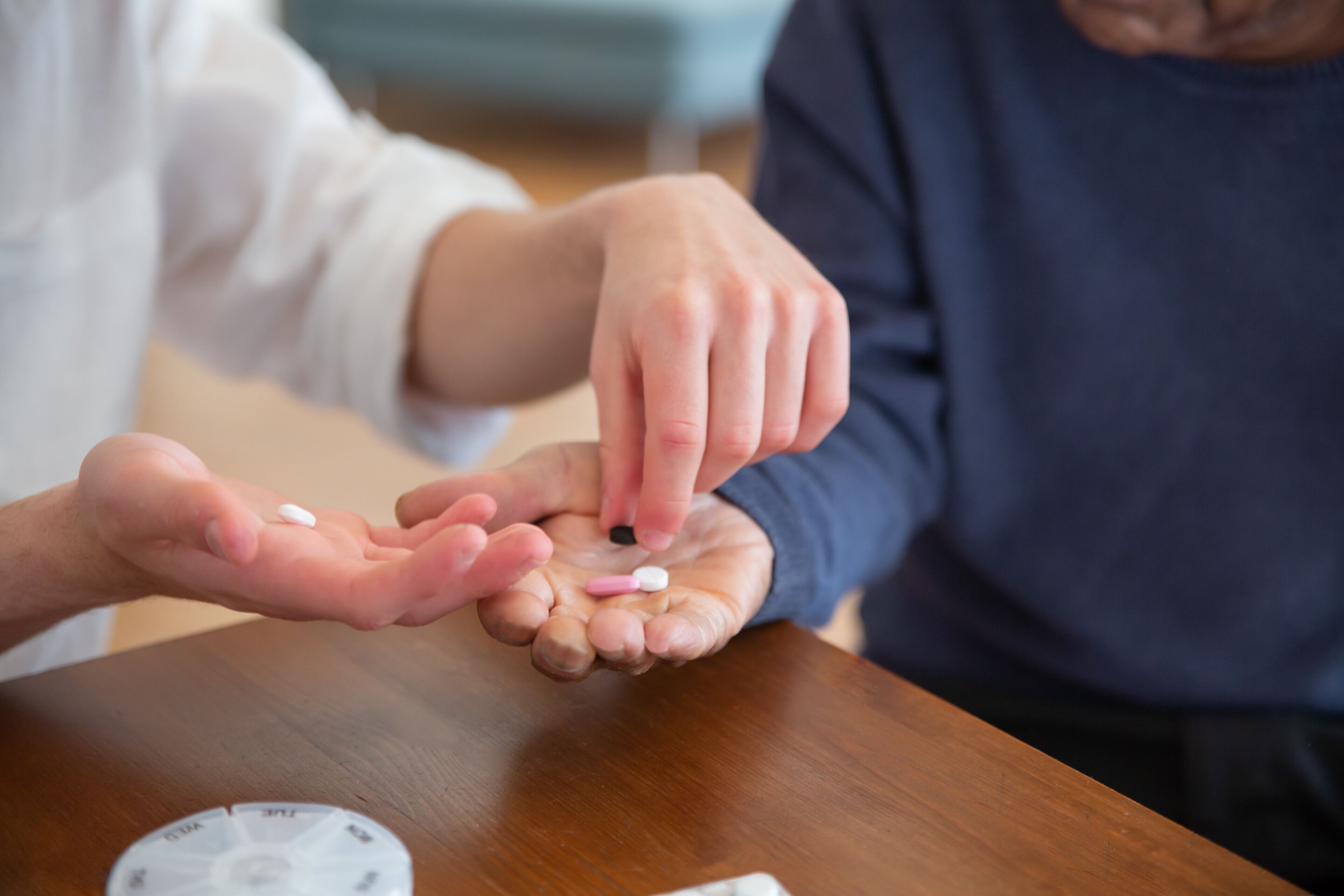
Around 8 million people in the U.K. take five or more medications each day (known as polypharmacy), with a further 2 million people taking 10 or more prescription drugs daily. Most people who take multiple medications each day are older than 65.
Taking multiple prescription drugs is not necessarily a problem. But it can become problematic when a medicine is overprescribed. This means someone is taking a drug that is no longer appropriate for their circumstances, does not deliver the intended benefit, conflicts with their wishes or could be replaced by a better non-medication option.
In some cases, the consequences of overprescribing can be serious. It may leave people feeling tired, dizzy, confused or unsteady. This can make everyday activities harder and increase the risk of falls, loss of independence and hospital admission. For older adults living with frailty or dementia, these effects can be particularly harmful.
This overlap of medications becomes especially dangerous as we age because our bodies process these drugs differently than they do when we're younger.
For older adults, the kidneys and liver may not remove medicines from the body as effectively as they once did. This means medicines can build up in the body , increasing the risk of side effects and problems caused by taking several medicines together. Medicines that once caused few problems can begin to affect balance, concentration, appetite and energy levels.
Source link