This article has been reviewed according to Science X's editorial process and policies. Editors have highlighted the following attributes while ensuring the content's credibility:
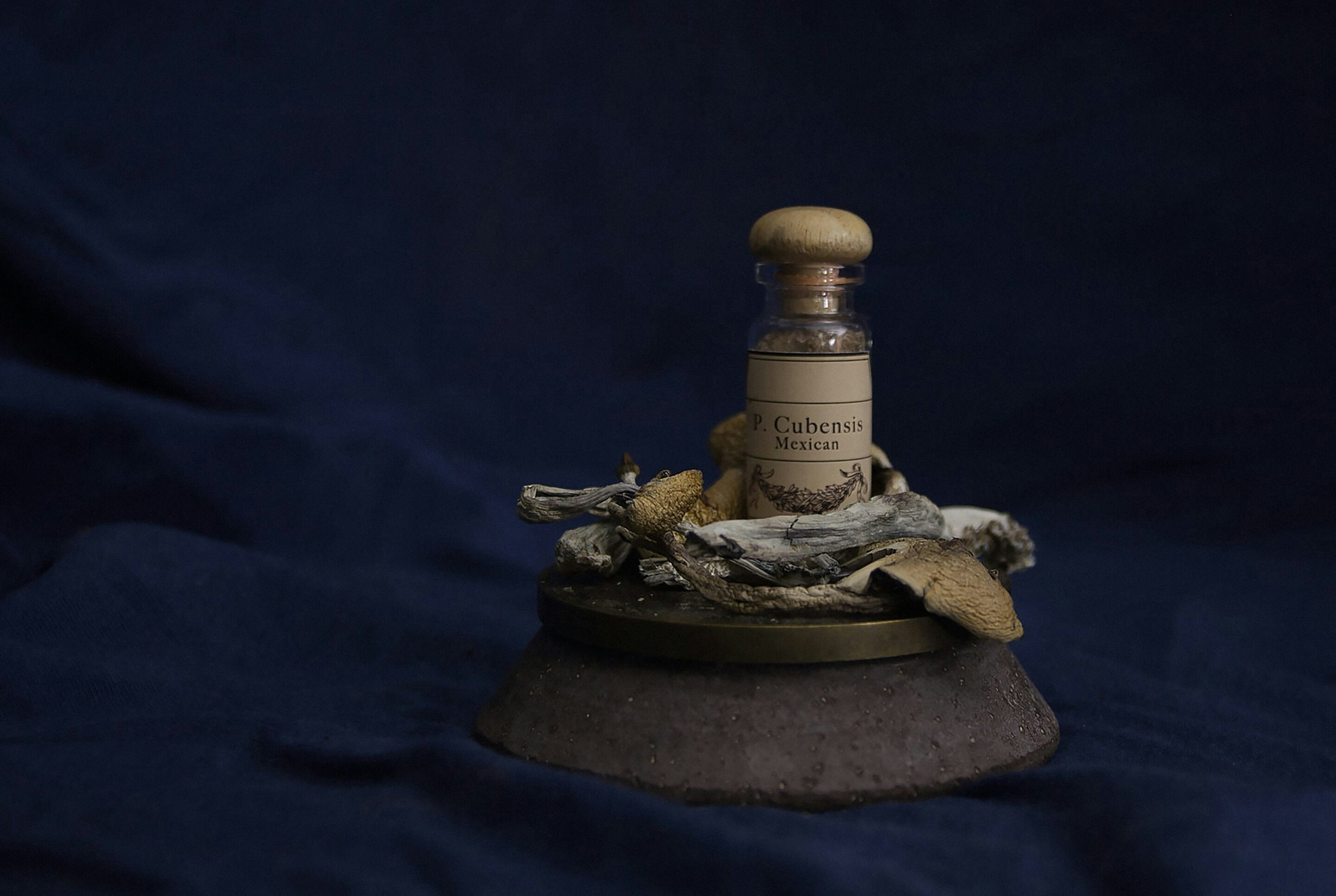
Experimental trials of psychedelic drugs in both humans and animals have produced conflicting results, creating doubts about whether hallucinogens have a therapeutic role in treating neurologic or behavioral disorders such as depression and PTSD.
To establish a baseline for studying the effects of these drugs on the brain, neuroscientists across five labs at three Bay Area institutions—UC Berkeley, UCSF and Stanford University—conducted identical, parallel tests of psilocybin's effects on mice. The goal was to establish which behavioral effects of the drug are reproducible across a variety of lab settings and worthy of further study.
After pooling data from the five experiments, the researchers found no lasting behavioral changes 24 hours after a single dose of psilocybin. Though long-term effects have been reported in both mouse and human experiments, the researchers found no replicable reduction in anxiety or depression-like behaviors nor any impact on fear responses or social interactions in mice a day after their trip.
Some acute effects of psilocybin were replicable, however. All labs reported increased anxiety and avoidance behavior in mice 10 minutes after injection, as well as a decrease in the expression of fear.
The researchers also tested whether psilocybin reopens a critical period for social reward learning in adult mice, as has been reported in earlier studies. They found no evidence for this.
"One of our main findings is that, at least with our experiments and doses used, the persistent effects of psilocybin across these behaviors were modest, if anything," said Odilia Lu, a Berkeley doctoral student and co-first author of the paper.
Source link