This article has been reviewed according to Science X's editorial process and policies. Editors have highlighted the following attributes while ensuring the content's credibility:
Most people will become infected with Epstein-Barr virus, or EBV, at some point in their lives. In addition to being a common herpesvirus, EBV persists in its host for life as a "quiet" or latent infection. While EBV infection may have no symptoms, it often causes mild illnesses such as mononucleosis (known as the "kissing disease," because EBV spreads through saliva). In rarer instances, EBV plays a critical role in multiple sclerosis and nearly 2% of all cancers.
Published in the journal Proceedings of the National Academy of Sciences, a recent paper from the University of Michigan looks at details surrounding EBV's reactivation from latent infection, known as the lytic phase of viral replication.
During lytic EBV infection, the virus co-opts the host cell's own DNA damage repair machinery to make more virus.
"It's a very damaging and traumatic event for the host cell," said Elliott SoRelle, Ph.D., of the Department of Microbiology and Immunology.
"Normally an event that dramatic would cause the cell to arrest and die. The virus has to solve this problem: keep the host cell alive so that it can still hijack the cell's metabolites and machinery to complete the later stages [of replication]."
Just how the virus keeps the cell alive despite generating widespread host DNA damage has been a mystery.
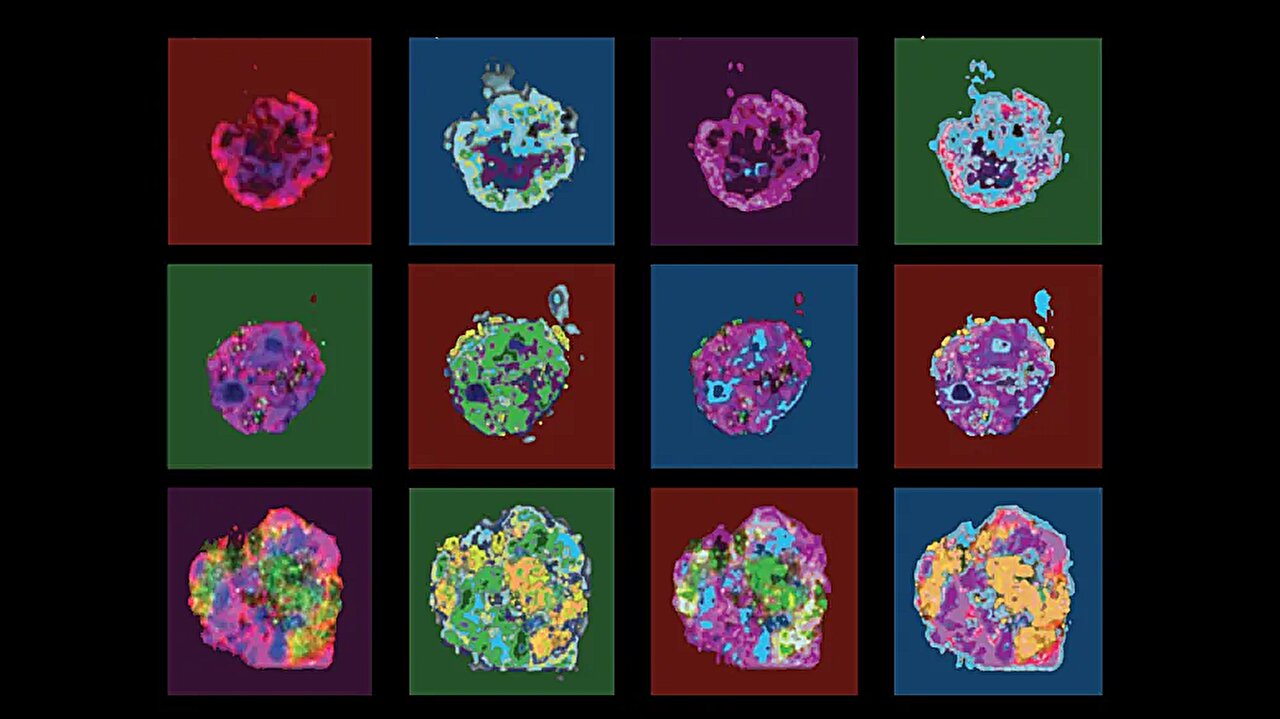
By screening EBV-infected immune cells called memory B cells fixed in different stages of the lytic process, the team generated an atlas of more than 850,000 cells and applied automated single-cell image analyses to home in on when things go awry.
Source link