This article has been reviewed according to Science X's editorial process and policies. Editors have highlighted the following attributes while ensuring the content's credibility:
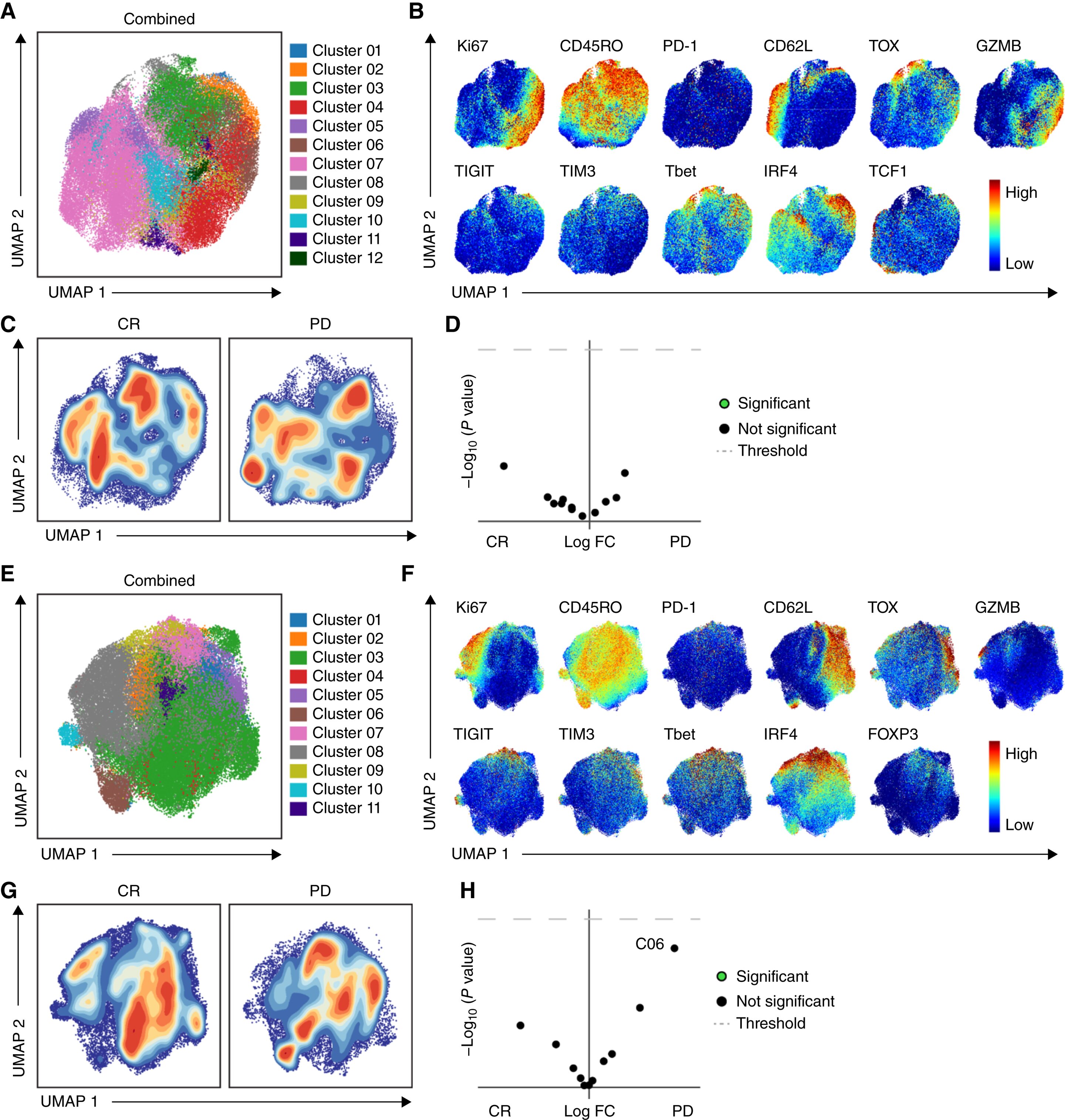
Results from a Phase I clinical trial led by The Ohio State University Comprehensive Cancer Center—Arthur G. James Cancer Hospital and Richard J. Solove Research Institute (OSUCCC—James) show a possible way to improve therapy options for patients with relapsed or treatment-resistant B-cell blood cancers. The findings are published in Blood Cancer Discovery.
Researchers were able to build on earlier work done at Ohio State that used CAR T-cell therapy to enhance treatment of B-cell blood cancers. About half of all blood cancers are B-cell blood cancers, including lymphoma and some leukemias.
This trial tested CAR T-cell therapy targeting three proteins—CD19, CD20 and CD22—and used a different protein called OX40 to boost immune response in patients.
"This was the first time a CAR T-cell clinical trial used OX-40 to enhance the process and improve tumor death," said the study's first and corresponding author Sumithira Vasu, M.D., professor of hematology and member of the Leukemia and Hematologic Malignancies (LHM) Program at the OSUCCC—James. "Results from our trial could lead to better therapeutic outcomes for patients who may have limited options after their B-cell blood cancer has returned or their therapy stopped working."
The team also used a faster process to collect, prepare and return the cells to the patient in just six days. This resulted in positive outcomes with minimal side effects for the patients.
, associate professor of hematology and member of the LHM Program at Ohio State.
Source link