This article has been reviewed according to Science X's editorial process and policies. Editors have highlighted the following attributes while ensuring the content's credibility:
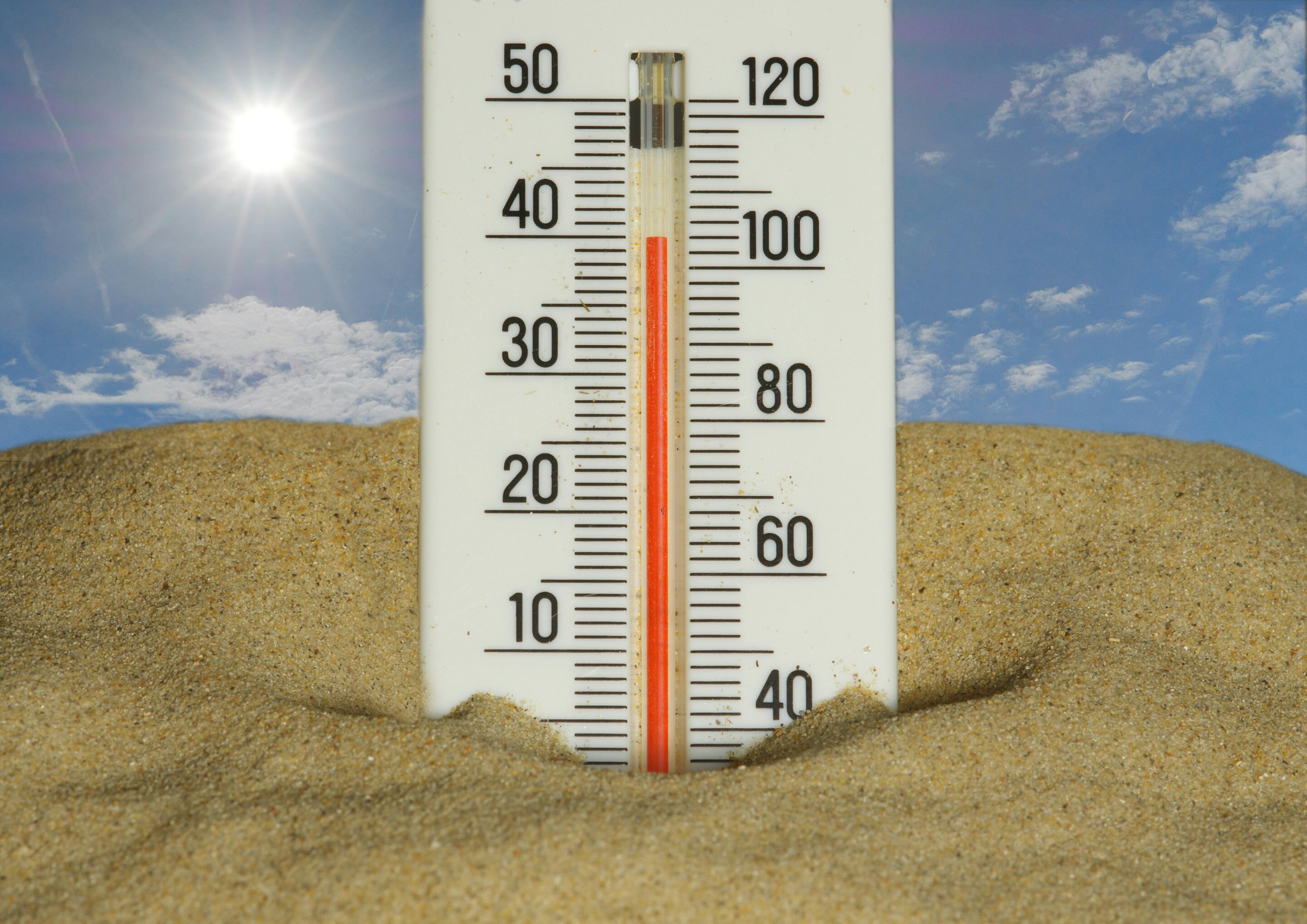
With summer fast approaching, along with the inevitable heat and humidity, new Griffith University research offers a timely reminder about the dangers of hot homes and the serious strain they can place on older Australians when the indoor temperature exceeds 26°C (79 degrees Fahrenheit).
The paper "Indoor temperatures above 26°C impose disproportionate cardiovascular strain on older adults" has been published in Temperature.
A team of researchers monitored the physiological effects of indoor overheating on older adults under real-world living conditions across an Australian summer in South East Queensland.
They followed 47 community-dwelling adults ages 65 and older and monitored their heart rate and physical activity, plus temperature and humidity, between December 2024 and March 2025, cataloging more than 64,000 hours of data.
Indoor temperatures above 26°C (79 degrees Fahrenheit) increased cardiovascular stress in older adults, with their heart rate increasing almost twice as rapidly as it did at temperatures below 26°C (79 degrees Fahrenheit).
The research provided real-world evidence that hot homes were a health issue, not just a comfort issue.
Lead author Dr. Fergus O'Connor from Griffith's School of Allied Health, Sport and Social Work said older adults spend most of their time indoors, yet most heat-health advice focused on outdoor temperatures.
"Indoor heat exposure can place substantial strain on the heart and can remain this way for up to several hours after exposure, suggesting cardiovascular strain accumulates and persists even after the mercury begins to fall," O'Connor said.
Source link