This article has been reviewed according to Science X's editorial process and policies. Editors have highlighted the following attributes while ensuring the content's credibility:
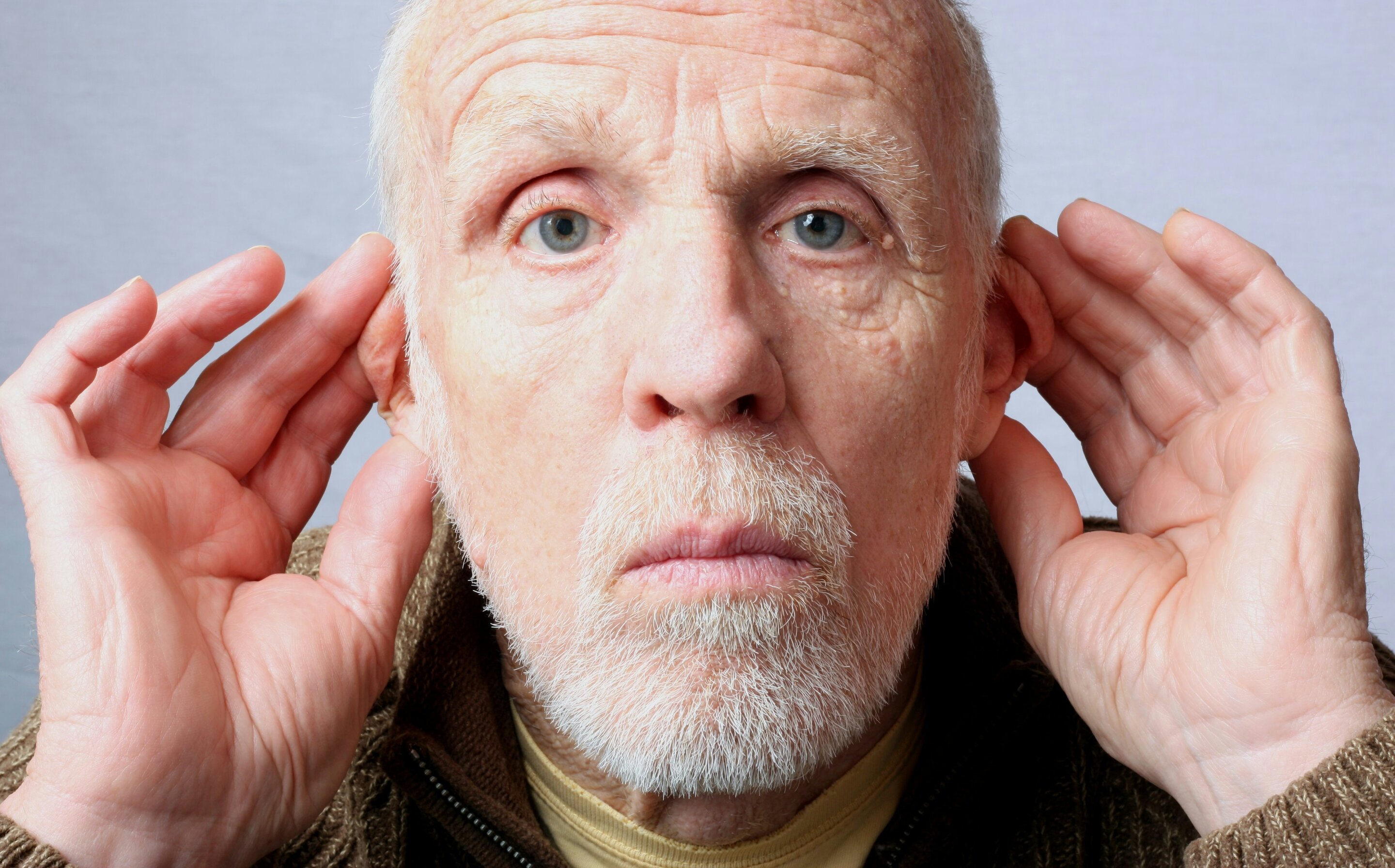
Hearing loss affects much more than a person's ability to hear, often affecting relationships, social participation, emotional well-being and quality of life—but despite the availability of support, many people are reluctant to ask for help.
A new review by Flinders University published in the journal Person- and Family-Centered Care in Audiology reveals that psychosocial barriers such as stigma, denial, fear of judgment and reluctance to disclose hearing difficulties can prevent people from seeking help, even when effective hearing care is available.
More than 1.5 billion people worldwide live with some degree of hearing loss, including 430 million people with disabling hearing loss. The World Health Organization estimates this number could grow to more than 700 million by 2050. Yet despite the widespread impact of hearing loss and the availability of effective support, many people wait years before seeking help.
Lead author Dr. Katie Ekberg from Flinders University's College of Health and Enablement says people with hearing loss often face significant emotional and social challenges in daily life.
"People with hearing loss may have difficulty following conversations, which can lead to frustration, embarrassment, social withdrawal and strain on relationships," Ekberg says. "Family members and partners are often affected too, as they report misunderstandings, reduced enjoyment of social activities and emotional stress.
Source link