This article has been reviewed according to Science X's editorial process and policies. Editors have highlighted the following attributes while ensuring the content's credibility:
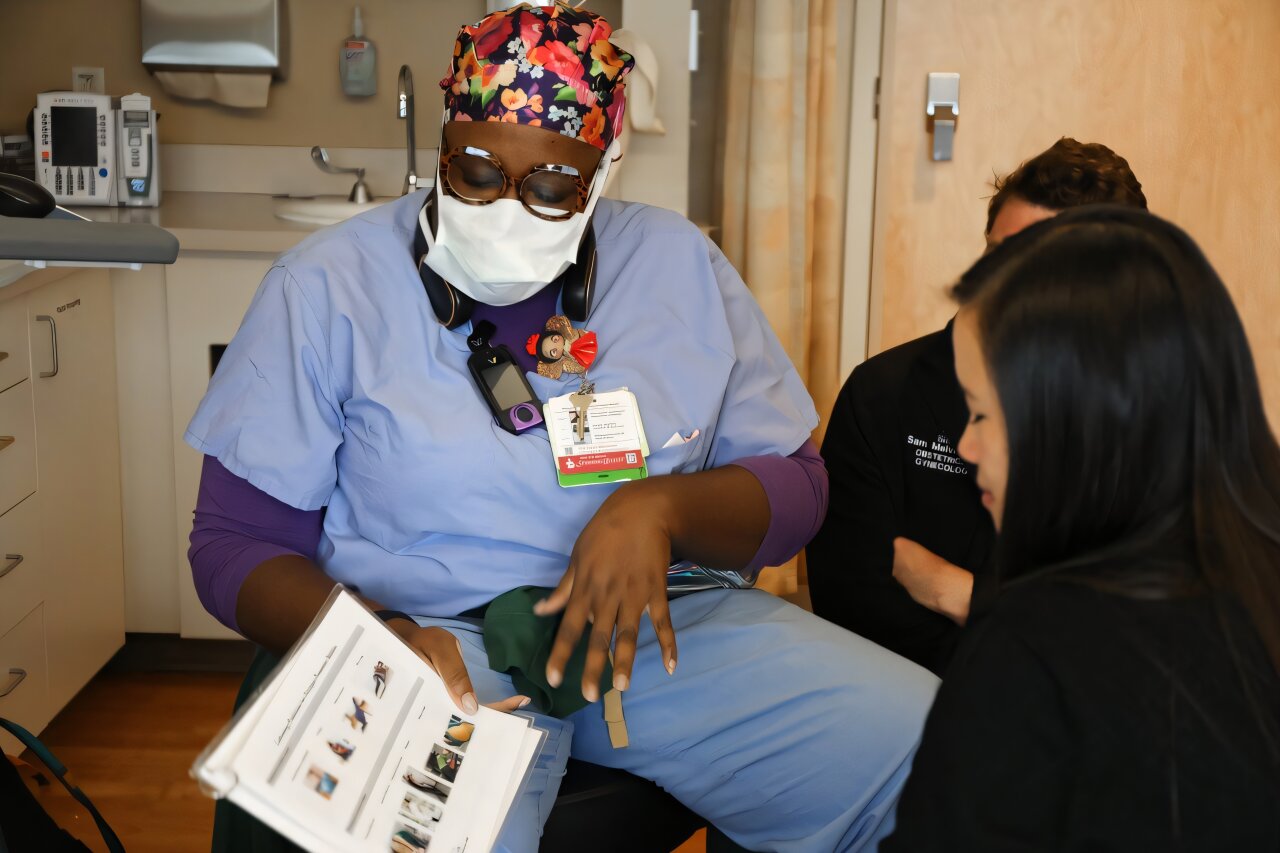
A recent study in the Journal of Nutrition Education and Behavior provides new insight into how women with polycystic ovary syndrome (PCOS) adopt and maintain healthy eating and physical activity behaviors. Researchers found that behavior change is a nonlinear process shaped by factors that can support progress or lead to disengagement.
The qualitative study included interviews with 20 women with PCOS, 13 doctors and four nurses at hospitals in Hunan province, China. Using grounded theory analysis, researchers developed a framework describing three progressive stages of health behavior change: intention, adoption and maintenance. They also identified disengagement as a dynamic state that can occur at any stage.
The intention stage was driven by physical and psychological needs, such as concerns about fertility, symptoms and self-esteem, as well as changes in knowledge and understanding. Moving from intention to action (the adoption stage) was supported by factors including self-efficacy, health information literacy, access to resources and social support. Among the few participants who reached the maintenance stage, goal setting, self-regulation, a sense of identity and positive feedback helped sustain healthy behaviors.
However, most patients experienced disengagement at some point. Personal limitations, environmental constraints, disease-related barriers and the time, cost and complexity of healthy behaviors could outweigh factors supporting change.
"Behavioral disengagement should not simply be viewed as a personal failure of willpower," said corresponding author Shujuan Zhu, MSc, RN, of the Department of Gynecology at the Third Xiangya Hospital of Central South University in Changsha.
Source link