This article has been reviewed according to Science X's editorial process and policies. Editors have highlighted the following attributes while ensuring the content's credibility:
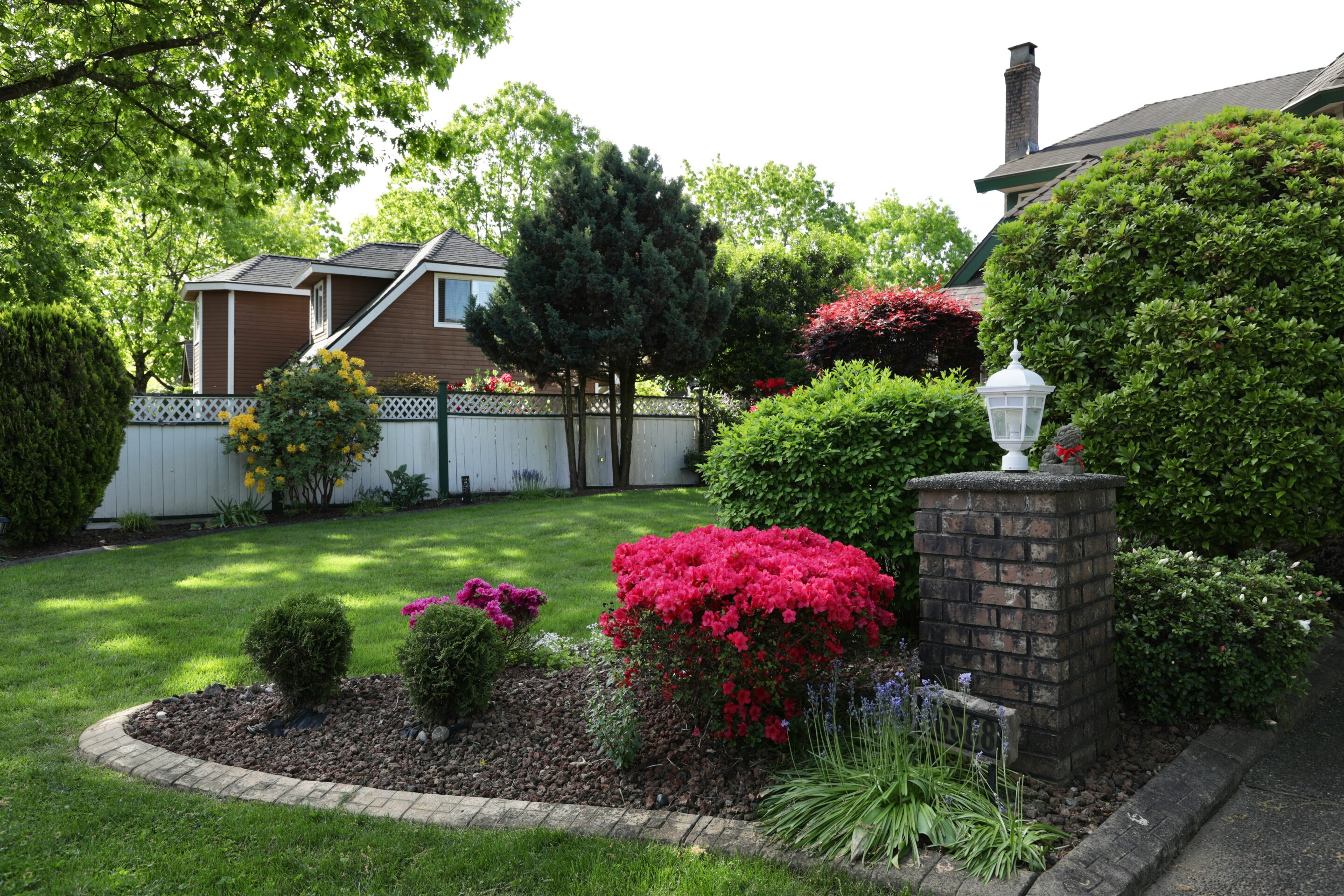
Urban residents with more greenery within 100 meters (328 feet) of their homes have a 20% lower risk of developing dementia over time, according to a new study from Stockholm University and Karolinska Institute that followed nearly 3,000 older adults for 16 years. Published in the journal Alzheimer's & Dementia, the study highlights the importance of greenspace in the immediate surroundings of the home for sustainable urban planning that supports brain health.
"This is nature that forms part of the everyday home environment. Such environments may be particularly important when we spend more time at home," the authors said.
The researchers mapped the amount of vegetation around participants' homes and monitored their cognitive health and the development of dementia over time through repeated assessments. The association was strongest for greenery in the area closest to the home (within 100 m) and weaker for greenery farther away. The link between greenery and lower dementia risk was also more pronounced among women.
"This highlights the immediate environmental surroundings of the home as an important piece in creating conditions that support brain health and healthy aging," says Cecilia Stenfors, associate professor of psychology, research leader at Stockholm University and first author of the study.
The study provides further support for preserving and enhancing greenspace in residential and urban environments. Trees, green residential courtyards, gardens, parks and vegetation along streets and walking routes offer many benefits, even when access to larger nature areas may be limited.
Source link