This article has been reviewed according to Science X's editorial process and policies. Editors have highlighted the following attributes while ensuring the content's credibility:
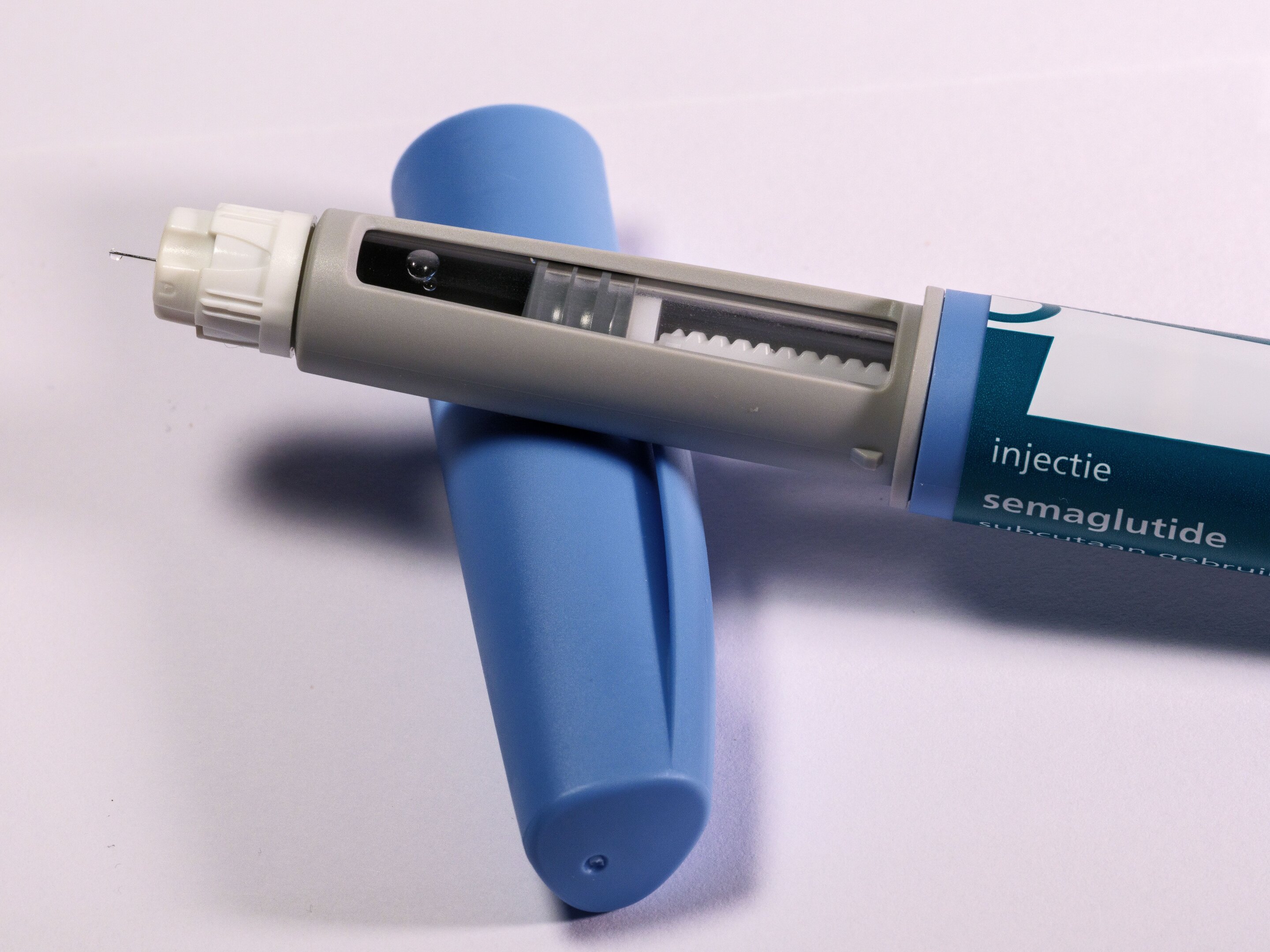
Mayo Clinic researchers found that GLP-1 receptor agonists, medications widely used for diabetes and weight management, were associated with a lower risk of dialysis or kidney transplantation in adults with bipolar disorder and chronic kidney disease.
The study, published in the Journal of Clinical Psychiatry, suggests that a popular class of medications may offer an added benefit by helping protect kidney health in a high-risk group.
"People with bipolar disorder have a high burden of chronic kidney disease, but few strategies have been studied specifically to protect kidney health in this population," says Balwinder Singh, M.D., a Mayo Clinic psychiatrist and senior author of the study. "Our results are encouraging, but prospective studies are needed to determine whether GLP-1 medications directly slow kidney disease progression."
Chronic kidney disease is an important concern in bipolar disorder because of higher rates of obesity, diabetes and high blood pressure, as well as the potential kidney effects of some psychiatric medications. Lithium, an important treatment for many patients, requires ongoing monitoring of kidney function.
GLP-1 receptor agonists were first developed to treat type 2 diabetes and are now also widely used for weight management. Some drugs in this class have been shown to protect kidney and heart health in people with diabetes and chronic kidney disease. Mayo Clinic researchers wanted to know whether similar kidney benefits might extend to people with bipolar disorder.
Source link