Members of the molecular and clinical genetics panel said the first-of-a-kind blood test should not be used to replace medical guideline-recommended cancer screenings.
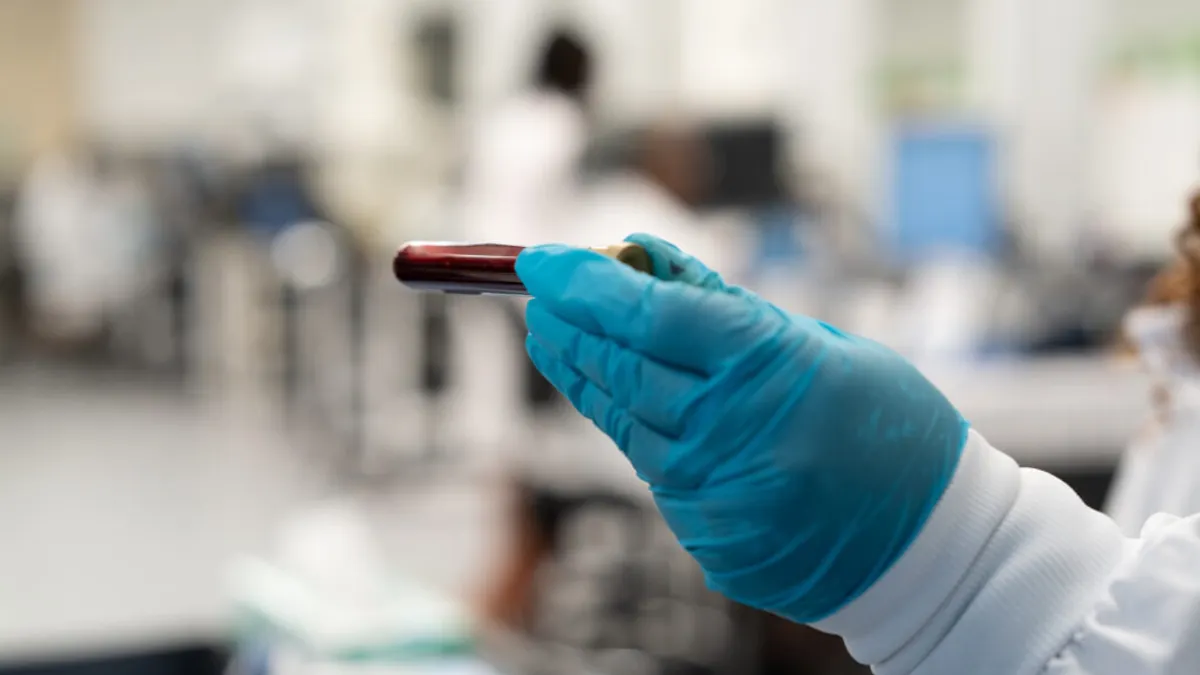
No FDA-authorized devices screen for multiple types of cancer. Galleri is based on a single blood draw that may detect cancers that have no existing screening methods. The Grail test analyzes methylation patterns in cell-free DNA shed into the blood to detect a cancer signal. If one is found, it looks to identify the tissue type or organ associated with the signal.
Several members of the molecular and clinical genetics panel stressed during the discussion that the liquid biopsy test should not be used to replace cancer diagnostics recommended in current medical guidelines. Those include tests for breast, cervical, colorectal and lung cancer.
“The biggest concerns, as we've talked about, are people being falsely reassured and not getting recommended screening, and then the very small number of people who have a false positive, and the exposure they get to [follow-up] testing,” said Deborah Armstrong, professor of oncology at Johns Hopkins School of Medicine. “But if people are well informed, I think that's acceptable.”
The aim of multicancer screening is to find cancers earlier, when they are asymptomatic and more treatable. At the meeting, several members of the public spoke about how the Galleri test detected their own cancers, including Kevin McFarland, a retired Ohio firefighter whose esophageal cancer was diagnosed at stage 1. “To have this test catch my cancer that early, it truly saved my life,” McFarland said.
Source link