This article has been reviewed according to Science X's editorial process and policies. Editors have highlighted the following attributes while ensuring the content's credibility:
Acute myeloid leukemia (AML) is an aggressive blood cancer in which abnormal, immature cells build up in the bone marrow, disrupting the production of healthy blood cells. Now, a new study, led by Dr. José Luis Sardina's group at the Josep Carreras Leukaemia Research Institute (IJC), examines how two systems that help control normal blood cell development are connected: the chemical marks on DNA and the regulation of RNA, which carries instructions for making proteins. The work is published in the journal Science Advances.
TET2 is one of the genes frequently mutated in AML. It produces a protein that regulates DNA methylation, a type of chemical marking that helps control gene activity without altering the DNA sequence. This is part of a broader system known as epigenetics. Although TET2 plays an important role in blood cell development, how it directs the genetic programs that guide cell identity is still not fully understood.
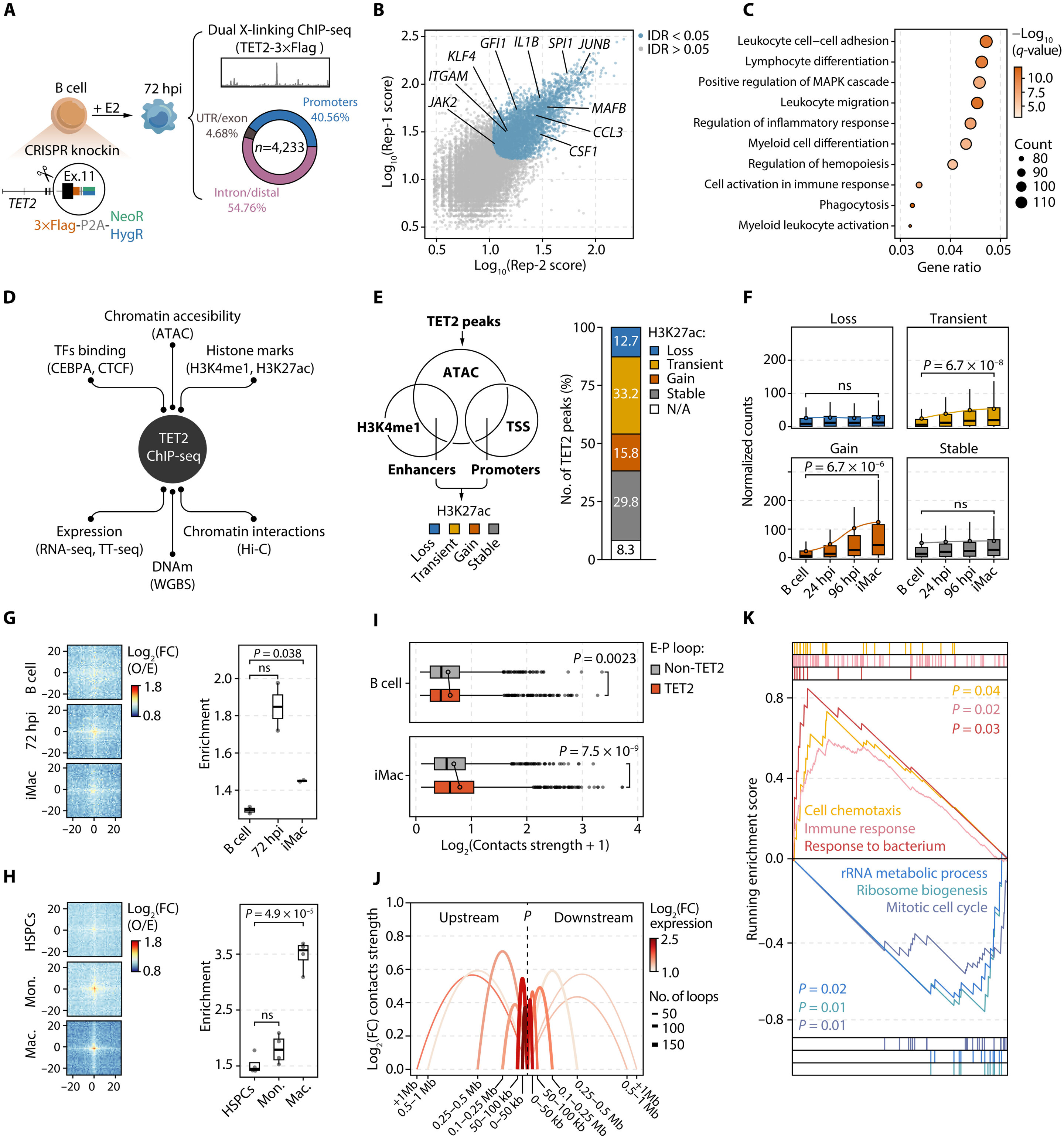
Dr. Aleksey Lazarenkov is the first author of the investigation, which studied cells as they developed into macrophages, a type of immune cell. The team mapped where TET2 acts along the DNA and examined DNA methylation, gene activity and DNA organization. They identified several gene regulatory regions associated with TET2, including one within the AGO2 gene.
The AGO2 gene produces the AGO2 protein, which is involved in RNA interference, a process that helps cells control the fate of RNA molecules, including whether they are broken down or used to make proteins.
Source link