This article has been reviewed according to Science X's editorial process and policies. Editors have highlighted the following attributes while ensuring the content's credibility:
A UCLA-led team has described how it advanced an experimental CRISPR approach for sickle cell disease into a blood stem cell therapy that can be manufactured at the scale and quality required for a clinical trial.
The therapy uses CRISPR-Cas9 gene editing to correct the single-point mutation that causes sickle cell disease in a patient's own blood-forming stem cells. In preclinical studies, the researchers established a reproducible manufacturing process and showed that red blood cells differentiated in vitro from edited stem cells produced less sickle hemoglobin than those grown from unedited cells.
They also found that the proportion of corrected gene copies did not significantly decrease after the edited human cells were transplanted into mice and allowed to engraft for 16 weeks.
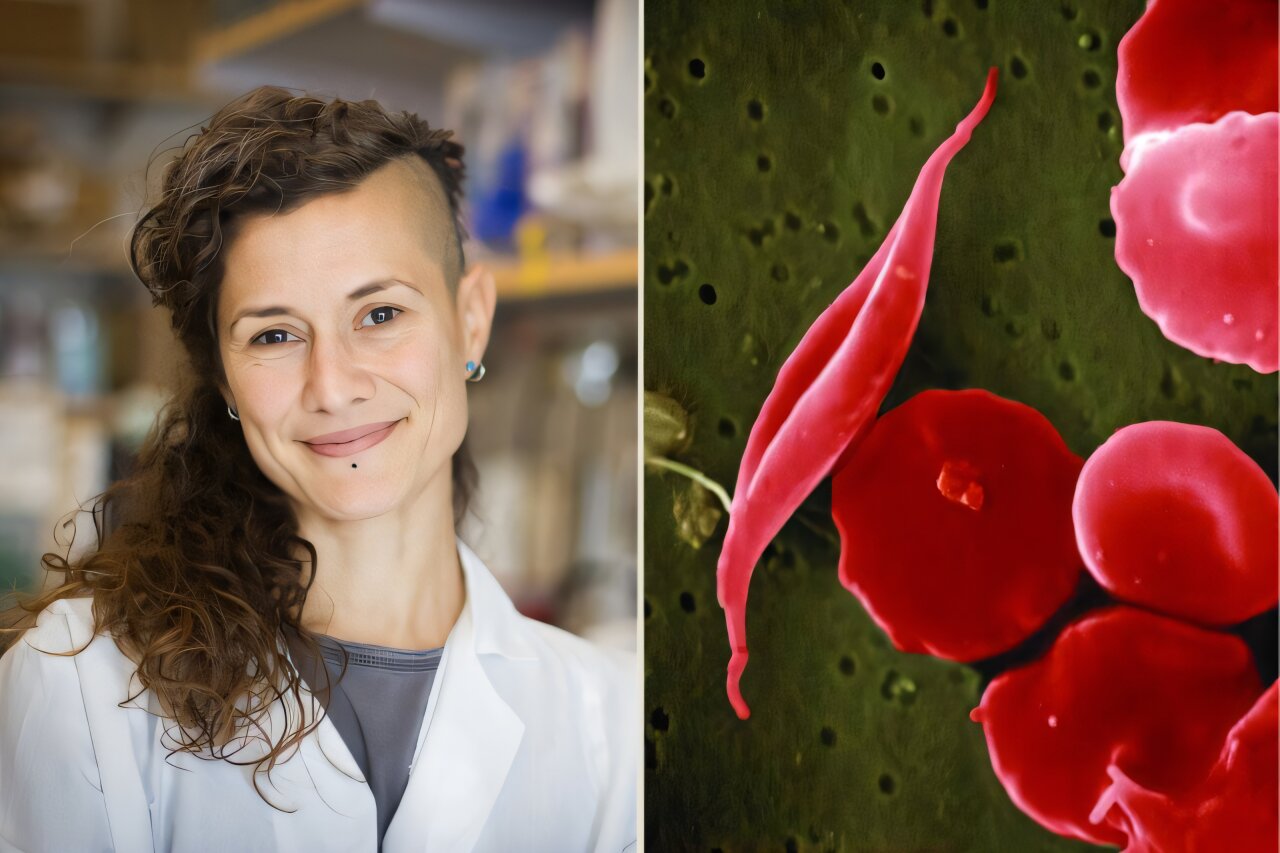
Sickle cell disease is a genetic blood disorder caused by a mutation in the beta-globin gene, which is responsible for producing one of the two types of protein chains that make up hemoglobin—the protein in red blood cells that carries oxygen. The mutation causes red blood cells to become rigid and sickle-shaped, leading to blocked blood flow, anemia, severe pain, organ failure and a shortened lifespan. In the United States, sickle cell disease disproportionately affects African Americans, occurring in approximately 1 in every 365 Black or African American births.
S. Food and Drug Administration has approved two gene therapies for sickle cell disease: One uses a viral vector to add a modified, anti-sickling version of the beta-globin gene to a patient's stem cells; the other uses CRISPR to boost production of fetal hemoglobin , which helps prevent red blood cells from sickling.
Source link