This article has been reviewed according to Science X's editorial process and policies. Editors have highlighted the following attributes while ensuring the content's credibility:
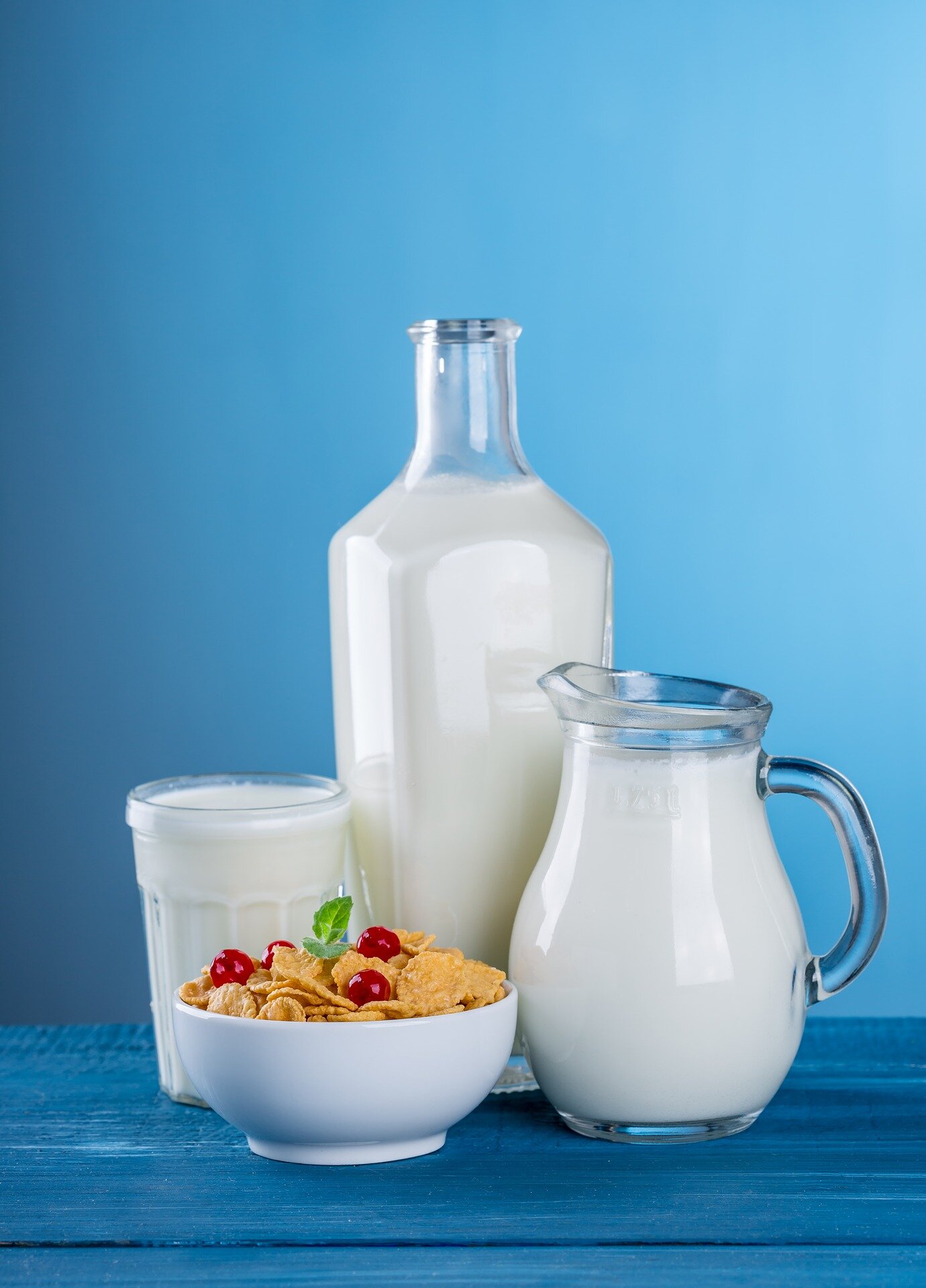
Replacing dairy products, even partially, with unfortified plant-based alternatives may lead to a deficiency in vital nutrients, a new study from the University of Surrey reports. Mandatory fortification of plant-based alternatives and other foods, including bread, could lessen the risk of deficiencies, particularly iodine deficiency.
In the first study of its kind in the United Kingdom, researchers from Surrey, in collaboration with colleagues from Queen's University Belfast, investigated the impact of replacing milk, yogurt and cheese with commercially available plant-based alternatives on an individual's micronutrient intake. This study was published in Lancet Planetary Health.
The team used data from the National Diet and Nutrition Survey from over 3,500 individuals aged between 18 months and 100 years old. They then used a novel modeling technique to assess the impact of replacing dairy products with plant-based alternatives on four essential micronutrients found in dairy products—iodine, calcium, riboflavin and vitamin B12.
Dr. Katie Nicol, co-author of the study and a research fellow at the University of Surrey, said, "With the growing need to address environmental sustainability, many dietary recommendations are focused on plant-based diets and the reduced intake of animal products.
"With the rise in plant-based alternative foods, we need to know whether they are like-for-like replacements for the micronutrients that are found in dairy products.
Source link