This article has been reviewed according to Science X's editorial process and policies. Editors have highlighted the following attributes while ensuring the content's credibility:
It's important to celebrate big accomplishments. And when it comes to our health, the drop in U.S. smoking rates over the last six decades is certainly one to cheer.
Over 8 million deaths have been avoided during that time as more and more Americans have kicked the habit or not picked it up, translating to more than 150 million years being added to people's lives.
These are amazing numbers. But they're also numbers that we can keep building on. Around 1 in 10 American adults still smoke, and that continues to have a huge impact on individuals, families and our nation. It leads to nearly half a million premature deaths each year, with over 16 million people in the U.S. having a smoking-related disease.
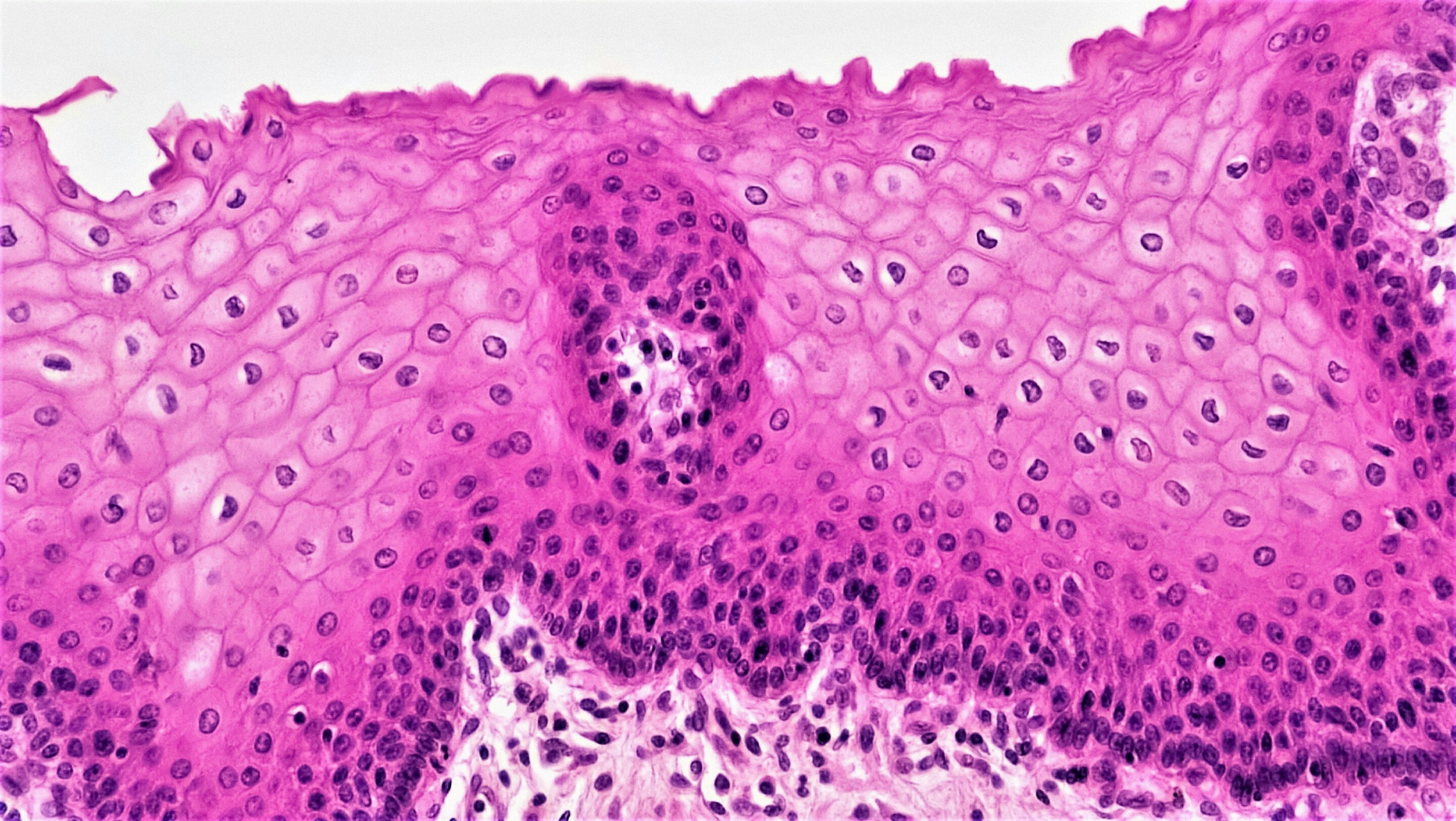
Lung cancer leads this list, which is probably no surprise. But smoking causes at least 15 other cancers as well. And it affects nearly all parts of the body, raising the risk of heart disease, stroke, diabetes, eye disease, arthritis, infertility and many other conditions.
Quitting smoking lowers the risk of nearly all of these, and the benefits start almost immediately after the last cigarette—and grow from there. Over time, the risk of many conditions equals that of someone who has never smoked. And it's almost never too late to see gains. Quitting at age 65, for example, can add four or more years to someone's life.
Source link