This article has been reviewed according to Science X's editorial process and policies. Editors have highlighted the following attributes while ensuring the content's credibility:
Researchers at the University of Colorado Anschutz have discovered how herpes simplex virus type 1 (HSV-1), the virus that causes cold sores, can fundamentally change how the brain's immune cells respond to infection, revealing a potentially important connection between viral infection, chronic inflammation and Alzheimer's disease.
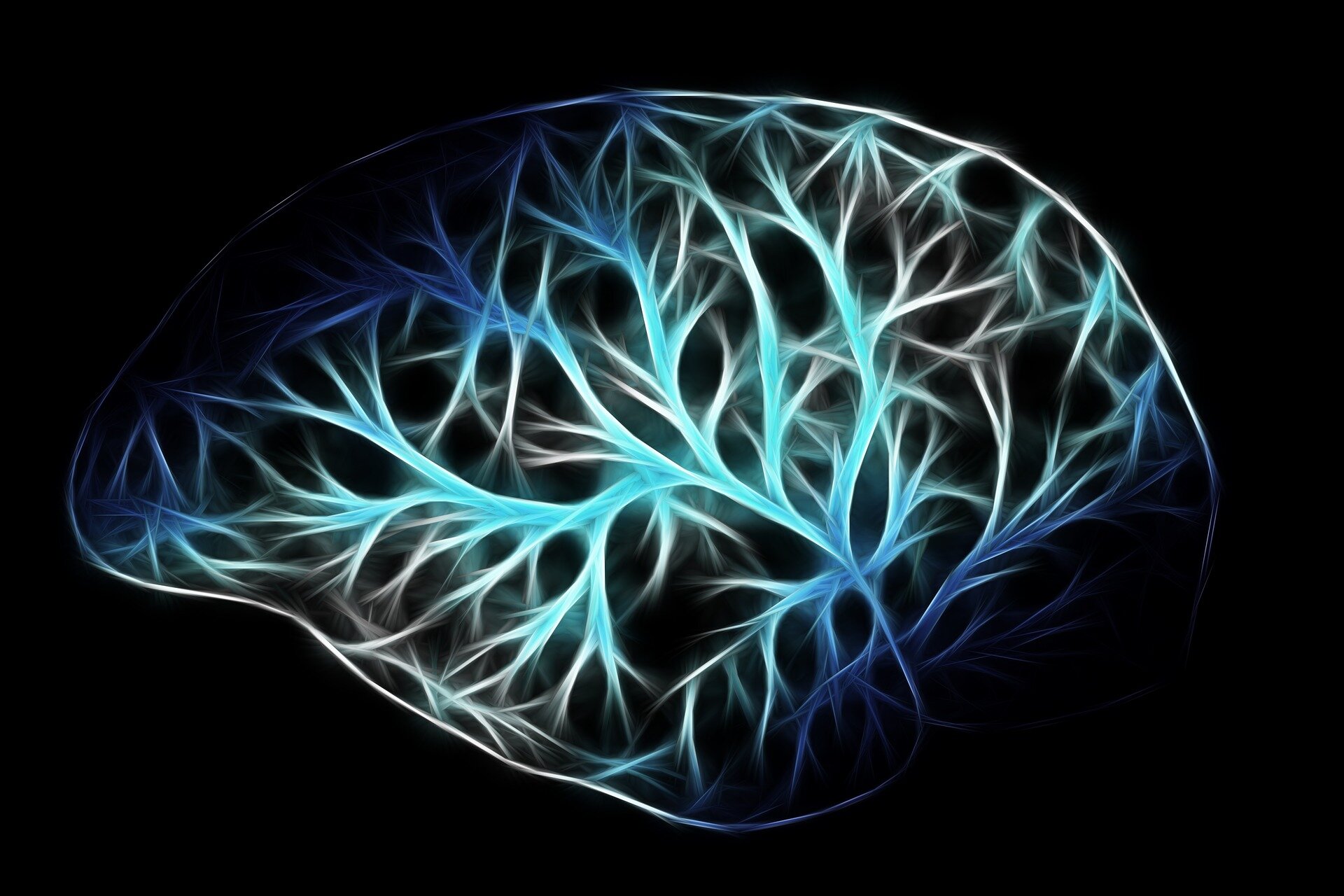
The findings, published in PLOS Pathogens, reveal that HSV-1 activates powerful antiviral defenses in the brain's specialized immune cells, called microglia. But this response may come at a cost. As these cells shift toward fighting infection, they lose the ability to maintain a healthy brain.
"Microglia act as both the brain's security system and its maintenance crew," said senior author Christy Niemeyer, Ph.D., assistant professor of neurology at CU Anschutz. "When HSV-1 enters the brain, these cells shift into emergency defense mode. While this helps fight the virus, it may also compromise their ability to perform the everyday functions, even after the virus is gone."
HSV-1 infects more than 60% of people and remains in the body for life. Although serious complications are rare, growing evidence links HSV-1 to the chronic inflammation that may trigger Alzheimer's disease. However, it is not clear how the virus may trigger and maintain this inflammation.
Using advanced molecular techniques, researchers examined how individual brain cells responded to HSV-1 infection and where these changes occurred.
They discovered that infection produced distinct populations of microglia dominated by interferon signaling, a powerful antiviral defense mechanism.
Source link