This article has been reviewed according to Science X's editorial process and policies. Editors have highlighted the following attributes while ensuring the content's credibility:
According to the American Heart Association, only about half of Americans say they would feel confident performing CPR in an emergency. Many people worry they might do something wrong, injure the person or face legal consequences. Others assume someone else will step in.
Those concerns are understandable, but when a person's heart stops, doing something is almost always better than doing nothing. Cardiac arrest can happen anywhere: at home, at work, at a sporting event or in a grocery store. The actions taken by bystanders in the first few minutes can make the difference between life and death. In fact, more than 70% of out-of-hospital cardiac arrests happen in the home, and odds are that the life you save will be a family member or someone you know.
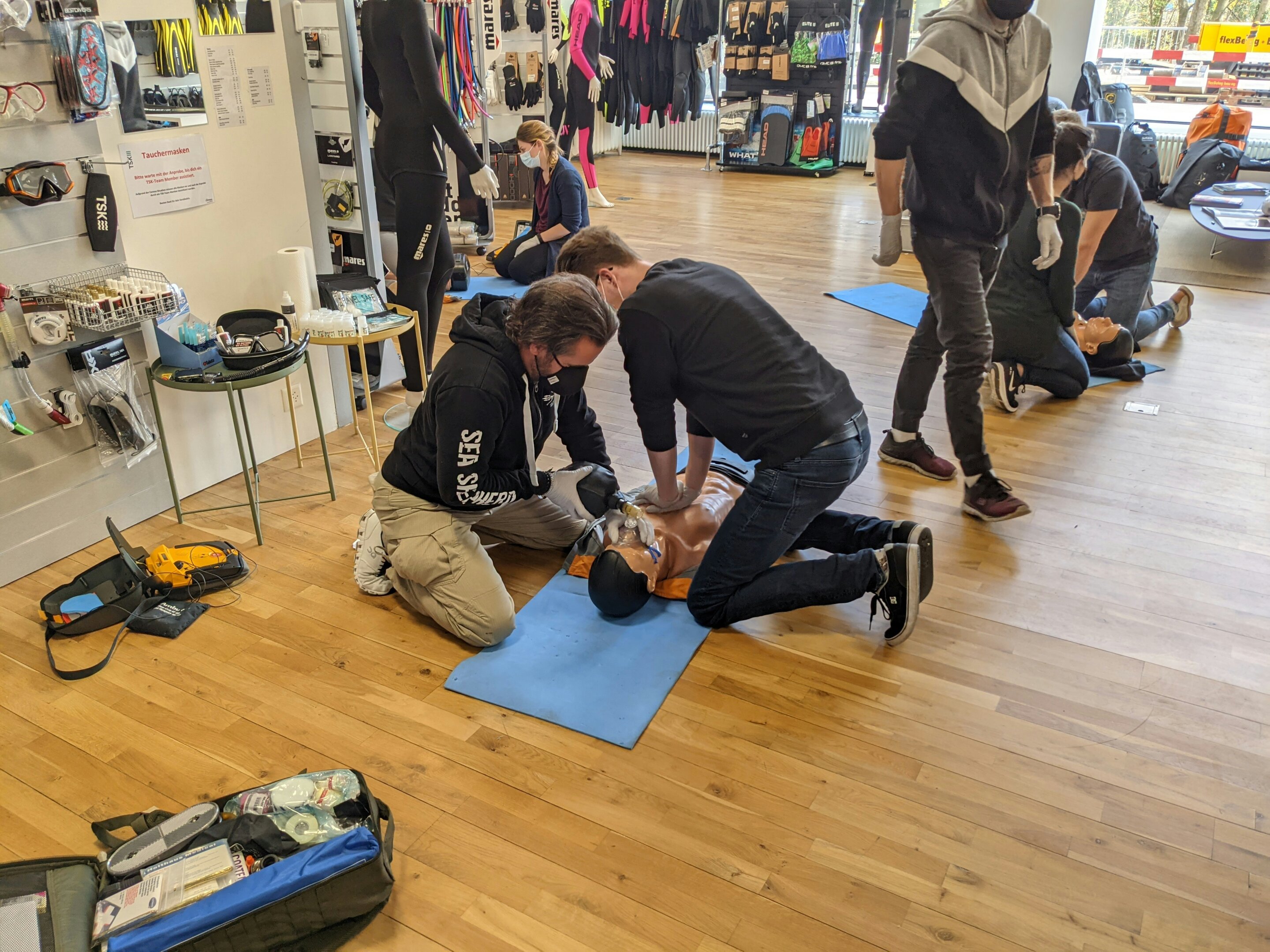
Bystander CPR is emergency life support given by an ordinary person to someone experiencing sudden cardiac arrest before professional medical help arrives. It involves fast, hard compressions to the center of the chest using the hands at a rate of 100 to 120 per minute. Mouth-to-mouth breathing is not needed in this type of CPR.
Every year, around 350,000 people in the United States experience cardiac arrest outside a hospital. Bystanders who start chest compressions early in a cardiac arrest save lives. Immediate bystander CPR more than doubles the survival rate of patients whose hearts stop outside a hospital.
Source link