This article has been reviewed according to Science X's editorial process and policies. Editors have highlighted the following attributes while ensuring the content's credibility:
Our brain's wiring is shaped both by genes and what we experience, and the visual system is a great model for studying how the two work together. Before the eyes ever open, genetic programs lay down a first draft of the brain's visual circuits. But once they open, experience takes over, with visual information refining the initial draft.
At first, neurons in the primary visual cortex, an area critical for vision, respond broadly to different visual features and receive signals from the two eyes that don't yet match. However, over the days that follow, these responses become sharply tuned to specific visual features, and the signals from the two eyes align, key refinements for mature vision.
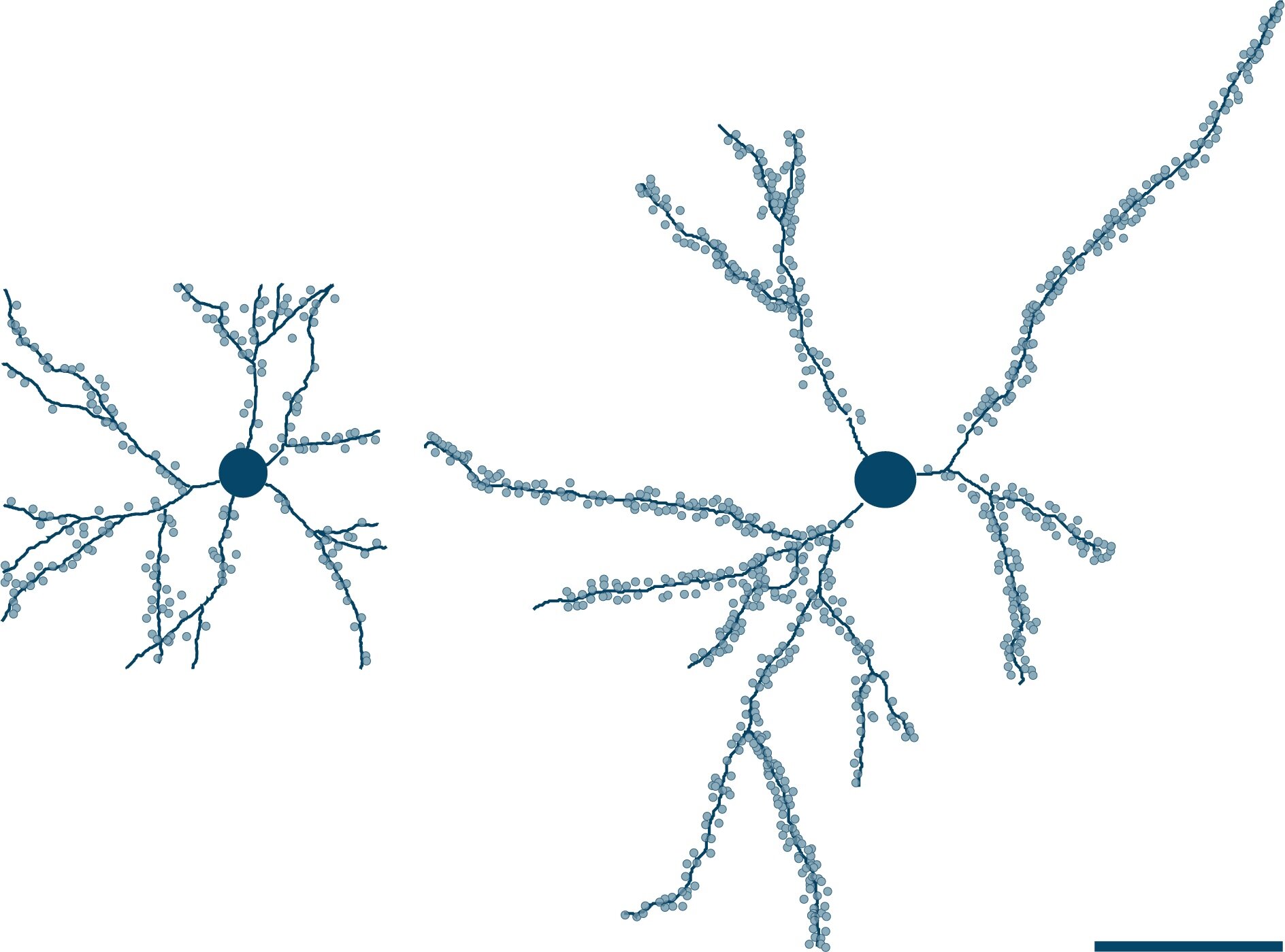
Scientists have long thought that this refinement happens mainly through pruning: the brain keeps the connections that carry useful signals and eliminates the rest. But that picture leaves something out. In a newly published study in Current Biology, researchers in MPFI's Fitzpatrick lab show that in the days immediately after the onset of visual experience, neurons gain many new connections that drive early visual circuit refinement.
"Visual experience really kicks off a dramatic remodeling of neural circuitry that leads to mature vision," says Dr. Juliane Jaepel, one of the lead authors of the study.
Source link