This article has been reviewed according to Science X's editorial process and policies. Editors have highlighted the following attributes while ensuring the content's credibility:
A natural plant compound may help overcome a built-in defense that allows many cancers to resist a class of drugs designed to restore normal gene activity, according to a study by researchers at the Johns Hopkins Sidney Kimmel Comprehensive Cancer Center.
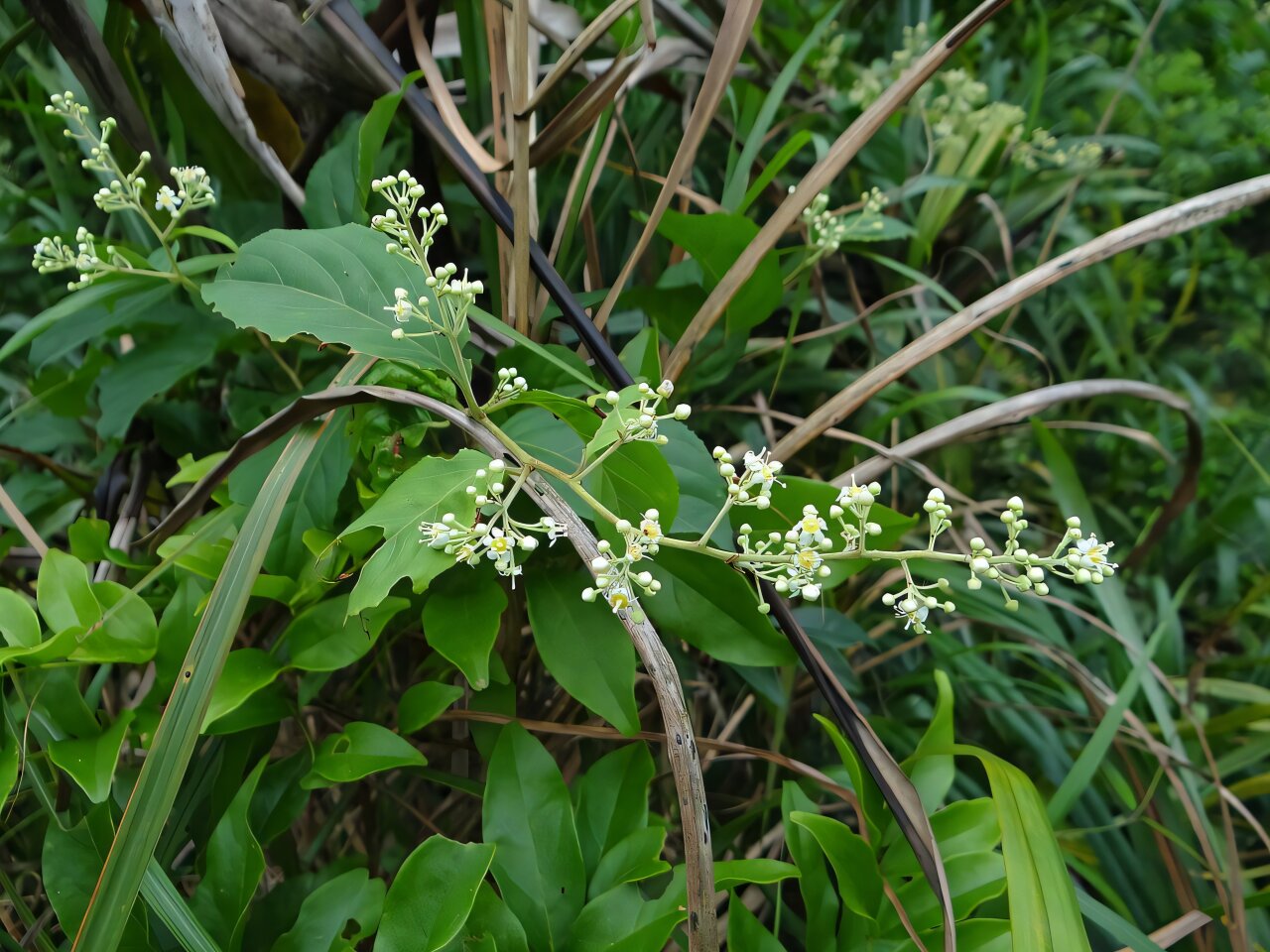
The researchers found that triptolide, a natural compound from Tripterygium wilfordii, commonly known as thunder god vine, blocks an enzyme called DCTPP1 that cancer cells can use to break down DNA methyltransferase inhibitors, or DNMT inhibitors, before the drugs can fully work. When researchers combined triptolide or related compounds with the DNMT inhibitor decitabine, the combination boosted the drug's ability to reactivate tumor suppressor genes and kill cancer cells in laboratory models.
The findings, published Aug. 26 in Nature Communications, suggest a potential strategy for overcoming resistance to DNMT inhibitors and expanding their use to more types of cancer.
"This gives us a potential way to remove one of the barriers that prevents these drugs from working effectively in many cancers," says senior study author Vasan Yegnasubramanian, M.D., Ph.D., professor of oncology, pathology, and radiation oncology and molecular radiation sciences at the Johns Hopkins Kimmel Cancer Center and director of inHealth Precision Medicine at Johns Hopkins Medicine.
An epigenetic process called DNA methylation is one of the ways cells control which genes are turned on or off. DNMTs are enzymes that add chemical tags called methyl groups to DNA, helping regulate whether genes are on or off.
Source link