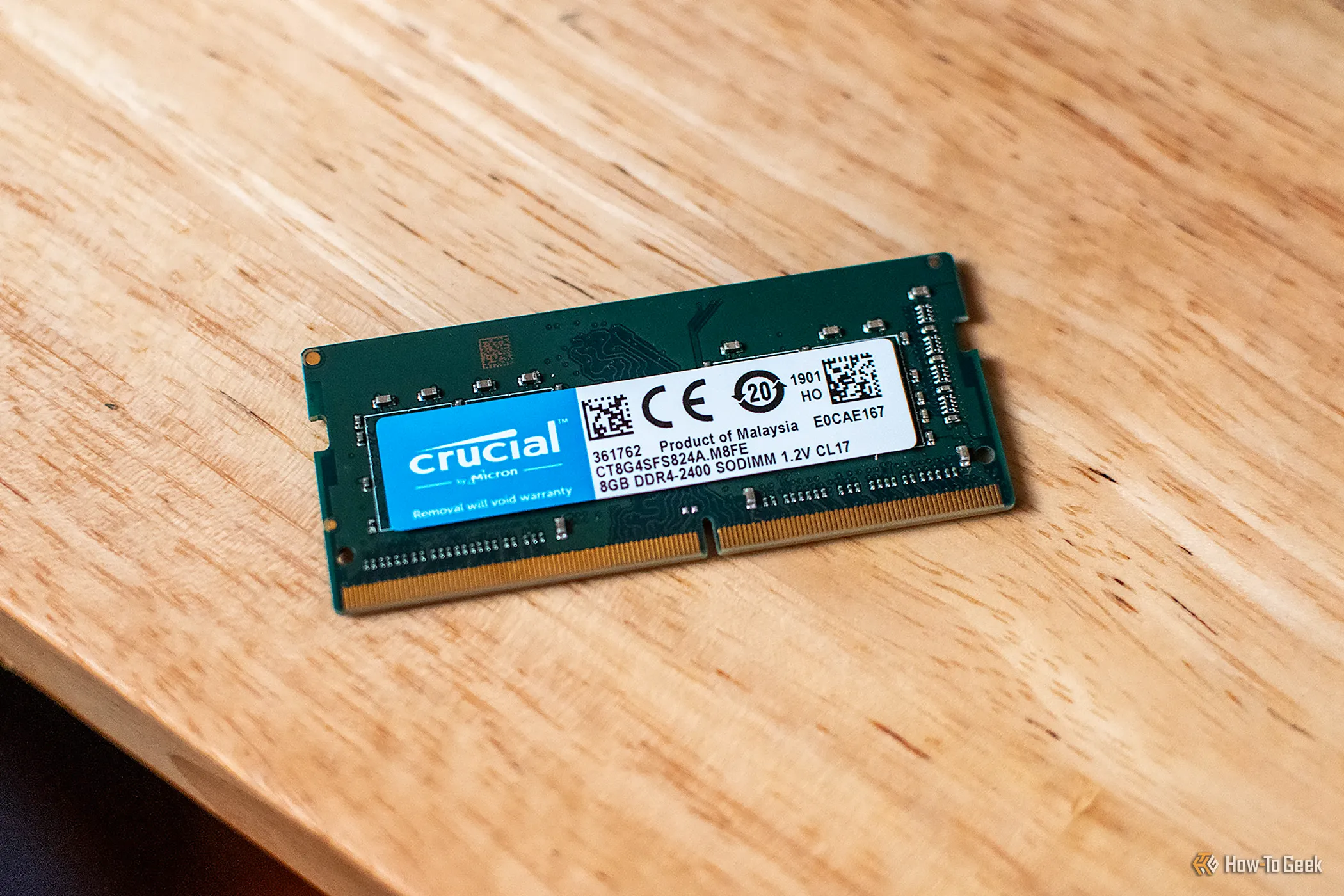
Skyrocketing, unprecedented RAM prices have changed the entire way we have to think about RAM for our PCs. When RAM was cheap, I would always recommend buying a matched pair and installing them in a dual-channel configuration. You get double the memory bandwidth, after all. So why not?
Now, the cost of that second stick might require some serious financial planning and a call to your bank manager. Suddenly the idea of just buying one stick of RAM now, and perhaps another later, seems more appealing. But, won't cutting your memory bandwidth in half be a huge deal? For most people, most of the time, it won't be.
There is no getting around the fact that using one channel for your memory offers half the maximum theoretical speed of a dual-channel setup. But, memory bandwidth is only one type of performance constraint. It affects different workloads to different degrees.
I strongly recommend you watch the entire Gamers Nexus Video where they compare the Valve Steam Machine running with one and then two channels of memory. This is important, because Valve made the decision to ship the Steam Machine with a single stick of memory in light of RAM supply issues and pricing.
As you can see, the biggest differences are for tasks like compressing a file, where dual-channel memory results in about 20% better performance. That's significant, but far from half the performance.
That's also a worst-case scenario and, by and large, you'll see performance differences like this in bandwidth-heavy CPU tasks.
Source link