Counterfeiting is a costly, widescale problem. Recently, the EU Intellectual Property Office announced seizures of more than 1.7million fake items valued at €17.4 million. Illicit goods were seized at ports, airports and land borders as they moved into and across Europe, with criminals ripping off famous clothing and cosmetic brands. Burberry, Christian Dior, Giorgio Armani and Paco Rabanne were just a few of the famous brands being cheaply imitated.
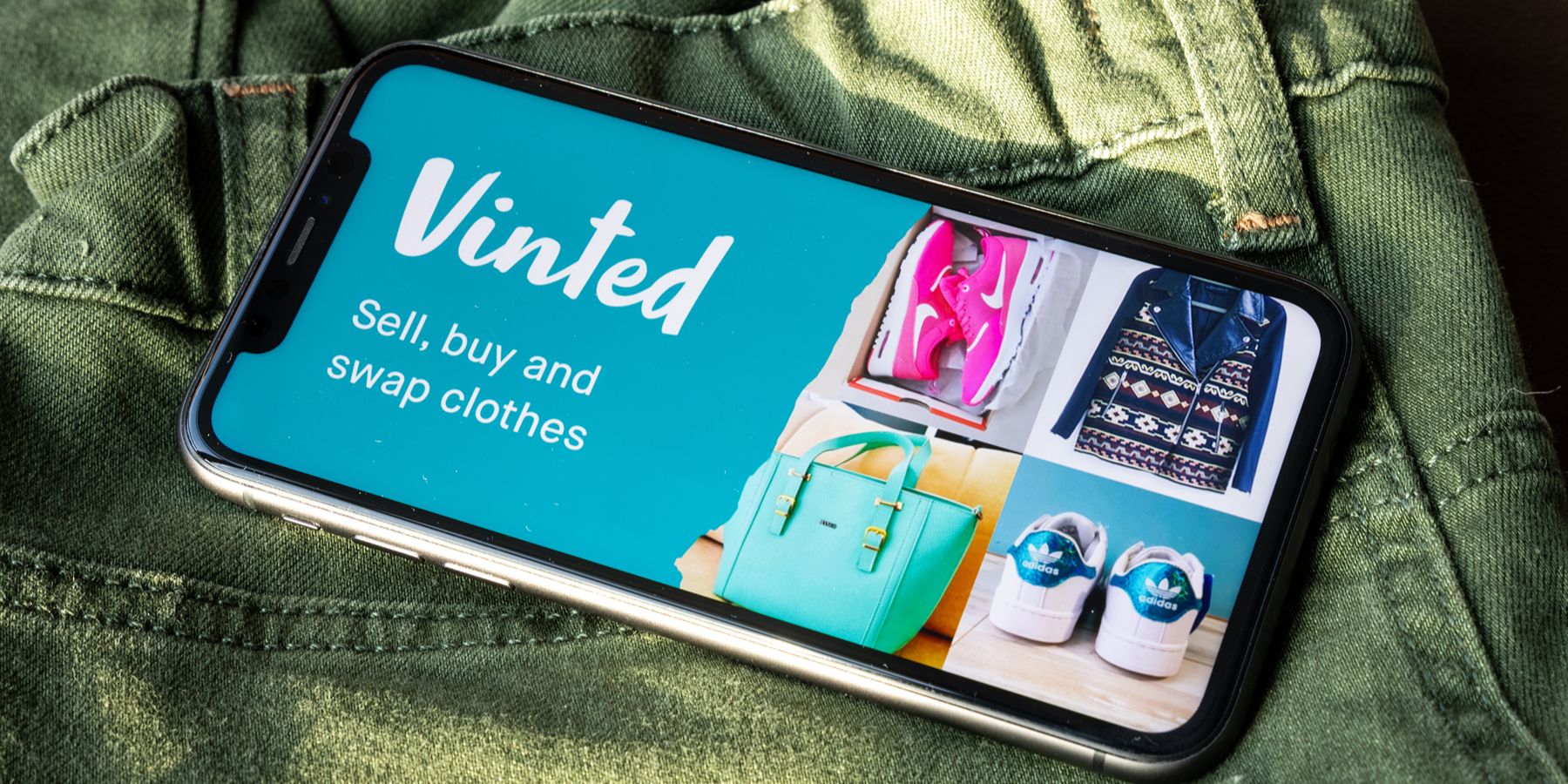
Many counterfeits end up sold online. According to the UK’s Intellectual Property Office (IPO), 64% of fake clothing products were bought online last year. Reseller marketplaces tend to be a prime location for rogue sellers, who attempt to sell fakes as new or pre-loved bargains. This isn’t lost on the likes of Vinted, which continues to crackdown on counterfeiting.
The updated T&Cs build on Vinted’s existing due diligence against counterfeiting, including its collaboration with the Intellectual Property Office (IPO) to help consumers buy and sell legitimately. Is there a risk though that tighter controls will, inadvertently, create a displacement effect, shifting the sale of counterfeits to other channels that are more difficult for brands to monitor?
There already appears to be a trend of fakes moving offline. In September, the IPO published its Trading Standards survey 2025-2026, which shows increasing investigations of counterfeit/pirated and design infringing goods at shops, outdoor markets and car boot sales.
During the past five years, investigations at car boot sales more than doubled from 10% to 22%. Investigations at shops increased from 82% to 87%, while outdoor markets saw a rise from 22% to 25%.
Source link