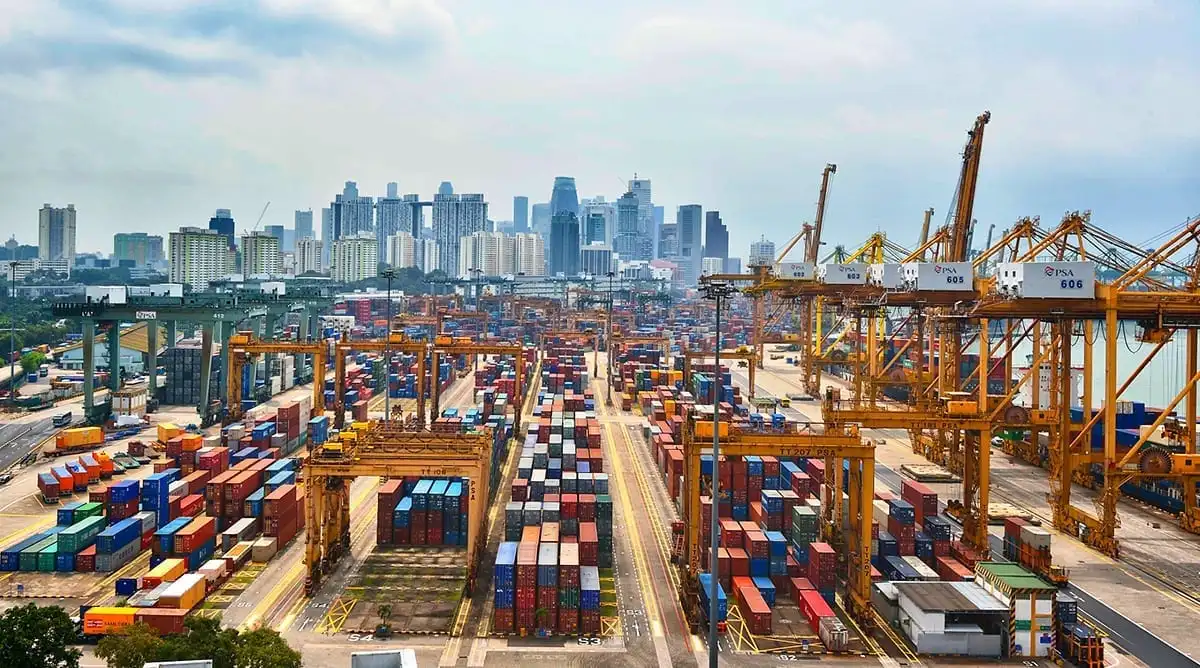
On 13 October 2026, Broekman Logistics highlighted the growing strategic importance of the Middle Corridor as European and Asian shippers seek alternative transport routes for project cargo, industrial equipment and high-value freight.
The Netherlands-based logistics company said continued investment in rail infrastructure, ports and terminals along the Trans Caspian route is improving connectivity and creating new options to reduce dependence on established maritime corridors.
Running through Turkey, Georgia and Azerbaijan, the corridor crosses the Caspian Sea to reach Kazakhstan, Turkmenistan and Uzbekistan. Shippers combine short-sea shipping, rail freight and road haulage to bypass maritime bottlenecks and geopolitical flashpoints.
Moving breakbulk cargo across the route requires coordination across multiple rail gauges, seaports and customs jurisdictions. Broekman Logistics focuses on synchronised route surveys, transit permits and heavy-lift transfers at Caspian terminal interchanges.
Turkey serves as the western anchor for the corridor, feeding European traffic through rail and highway links toward the South Caucasus. Turkish ports handle transshipment for landlocked Central Asian destinations that lack direct maritime access.
Route selection depends on physical constraints along the way. Axle-load limits, bridge clearances, rail tunnel dimensions and Caspian port crane capacities dictate whether oversized equipment can move intact or requires disassembly before crossing inland borders.
Terminal upgrades along the Trans-Caspian line have expanded container handling, yet breakbulk cargo faces different operating realities. Transporting industrial machinery requires dedicated roll-on/roll-off vessel capacity and heavy-lift handling gear, which remain limited across Caspian Sea crossings.
Customs alignment across five transit countries is the primary variable for schedule reliability. For equipment suppliers and engineering contractors, single-point delays at rail-to-ship transfer points can disrupt installation timelines at Central Asian mining and energy developments.
Source link