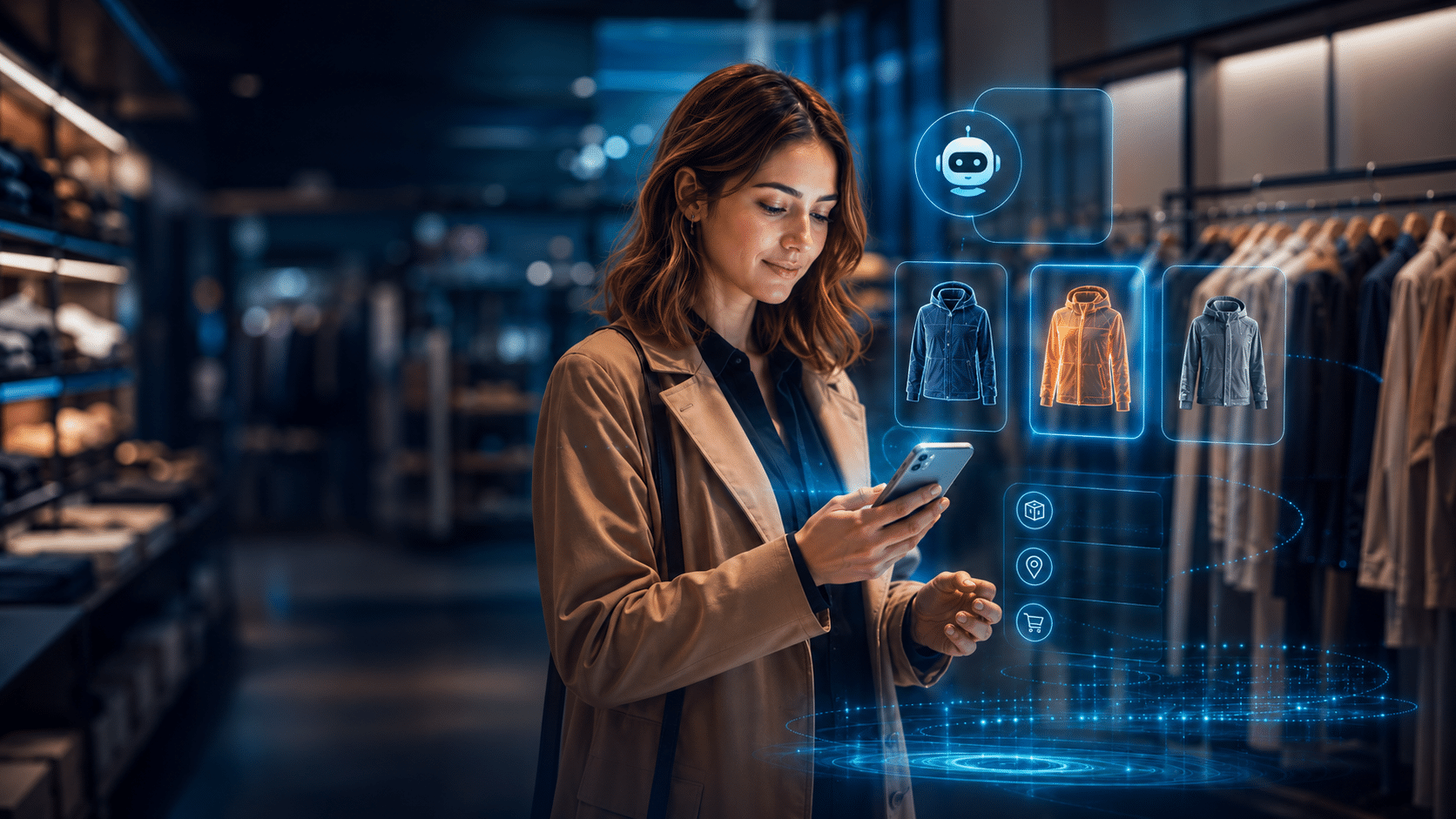
South Korean retail conglomerates and consumer brands are deploying artificial intelligence-generated synthetic shoppers to test products, adjust shelf pricing and model physical store layouts before committing capital to production runs.
The shift replaces costly consumer survey panels with large language models trained on purchasing records, customer reviews and social media chatter. Technology vendor Intellicia has completed 120 proof-of-concept projects across 50 consumer companies, reporting a 91.2 percent correlation against a benchmark survey of 500 human shoppers.
Lotte Members started work in July with domestic artificial intelligence specialists Vibe Co. And Zero to One Partners to build what it calls the AI Twin Consumer. The model draws on the transactional histories of 45 million registered members of Lotte’s L.Point loyalty program, combining that spend data with contextual online commentary to examine why consumers buy rather than merely tracking what they buy.
Instead of relying on broad demographics such as gender or age brackets, the system creates detailed behavioural profiles. Merchandisers can query the virtual consumer directly, testing reactions to new packaging or price points before inventory reaches warehouse shelves.
Domestic e-commerce operators Coupang and Naver are applying synthetic buyers to website journeys. Their models simulate browsing sessions to pinpoint where online shoppers encounter friction, hesitate over specifications or abandon digital baskets.
Convenience store operator BGF Retail is pushing the simulation into the physical realm. The CU chain operator first used synthetic shoppers to vet new product concepts. It is now building virtual store environments to test foot traffic flows, shelf placement and assortment mixes before franchise owners reconfigure their physical floors.
Source link