

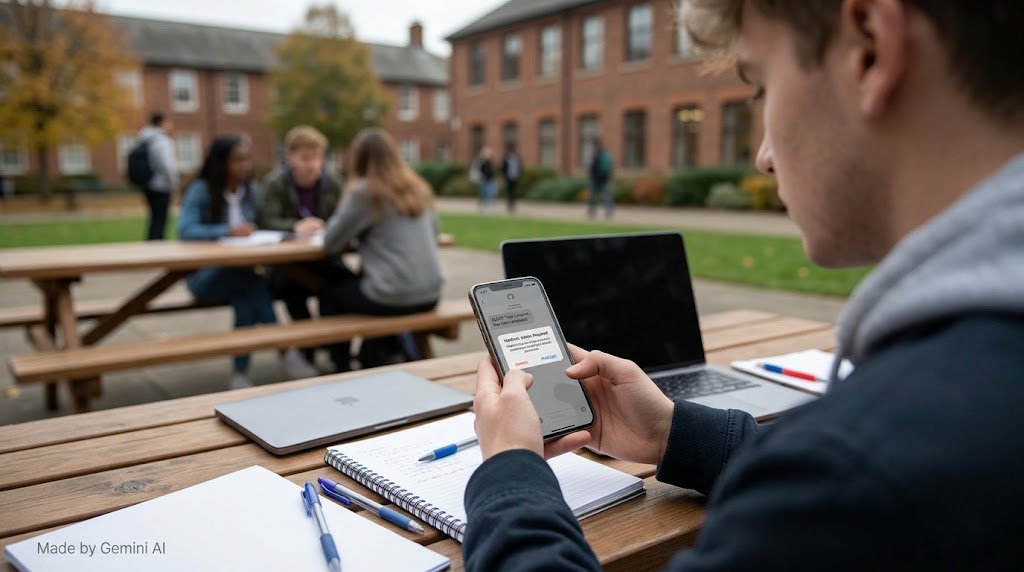
The research, conducted by Censuswide across 1,000 university students and 1,000 representative UK adults, found that 69% of students had encountered a scam, compared with 36% of those not in higher education. Of those students who had been targeted, 78% said it occurred within their first three months on campus, a period when many are managing money independently for the first time.
Fake job adverts and money-making schemes topped the list of threats, cited by 37% of respondents, followed by purchase scams at 36% and banking and crypto-related scams at 32%. Student finance impersonation and accommodation fraud each affected 21%. A separate NatWest survey of more than 5,000 undergraduates found that just 27% feel confident they could identify a financial scam if they encountered one.
To coincide with the start of the academic year, NatWest, Mastercard and the Home Office have launched a joint public awareness campaign under the existing government “Stop! Think Fraud” framework. The campaign includes a series of printed posters, designed by UK artists Luke Insect, Gavin Connell and Samuel Tomson, distributed free of charge to universities and student unions. The posters are available digitally via Mastercard’s website and in physical form on request.
Fraud Minister Lord Hanson said: “Fraudsters continue to prey on freshers, using bogus job adverts, fake flats and scam investments to steal their money. We’re joining forces with NatWest and Mastercard to expose the scammers and protect students.”
NatWest also disclosed that it recently added a Fraud Triage Agent to Cora , its existing AI-powered digital assistant.
Source link