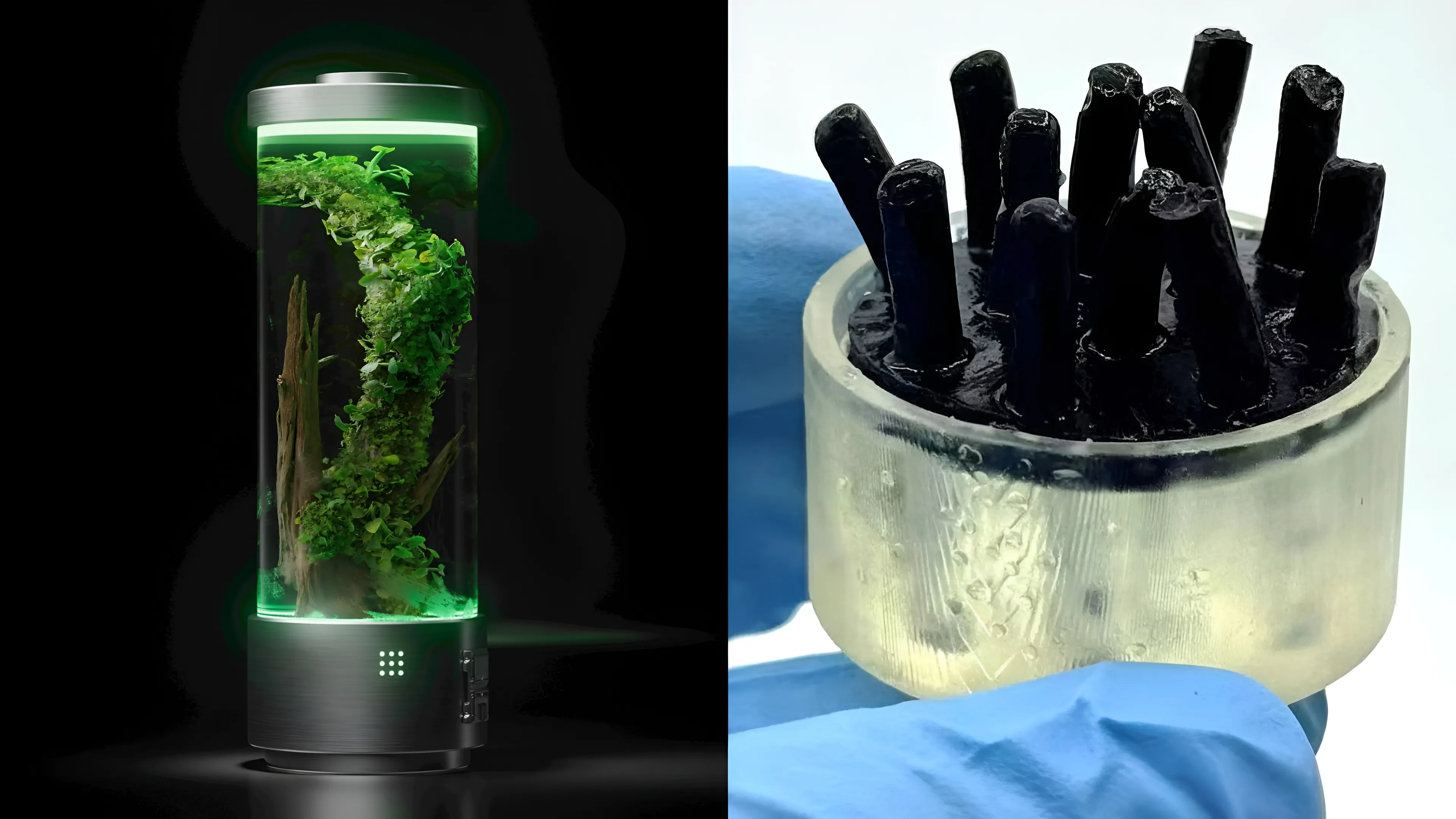
A group of scientists in China has recently come up with a graphene catalyst that raises zinc-air battery efficiency to about 98 percent, and allows them to operate for more than 820 hours.
The fluorinated graphene electrocatalyst, or FG-3, consists of 3.1 percent fluorine. It was created by a team headed by Wen Zhenhai, PhD, and Huang Junheng, PhD, from the Fujian Institute of Research on the Structure of Matter (FJIRSM), at the Chinese Academy of Sciences (CAS).
According to the scientists, their graphene catalyst could significantly improve the efficiency and durability of zinc-air batteries. In lab tests, the battery achieved an impressive 98 percent round-trip efficiency and operated stably for over 820 hours in ambient air.
Moreover, it retained 97.6 percent efficiency after 1,500 charging and discharging cycles. Wen and Huang believe that the findings could lead to better and more efficient next-generation energy storage systems.
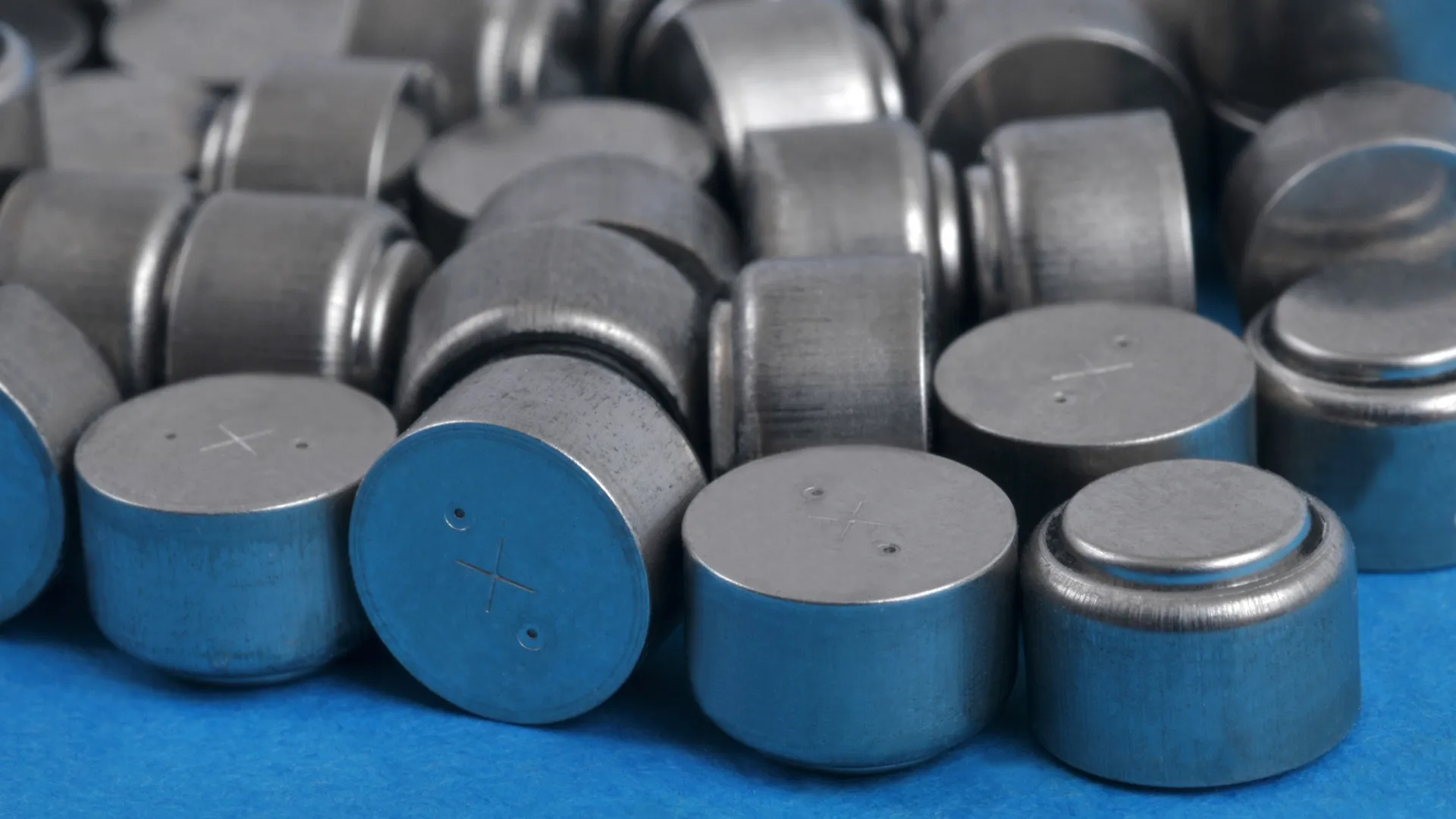
Zinc-air batteries (ZABs) generate electricity using zinc metal and oxygen from the surrounding air. They use zinc metal as the negative electrode as oxygen reacts at the positive electrode. They are considered a promising alternative to lithium-ion (Li-ion) batteries because they can store more energy.
Additionally, zinc is abundant, relatively inexpensive, and has high energy density. But, until now, they have been virtually impossible to recharge. This is largely due to the complex chemical reactions that occur during charging and discharging.
These reactions require a lot of energy, which can reduce the efficiency of zinc-air batteries and cause their materials to wear out faster.
Source link