Researchers at the University of Pittsburgh have demonstrated a fiber-optic sensing system capable of detecting acoustic signals above 100 kilohertz (kHz), roughly five times the frequency cited for conventional systems, in a step toward monitoring cracks and corrosion in nuclear fuel storage canisters.
Developed with Pittsburgh-based startup Sensible Photonics, the system underwent field testing at Idaho National Laboratory (INL) in September. The researchers used a mock nuclear fuel canister to test whether the sensors could detect vibrations and locate their source.
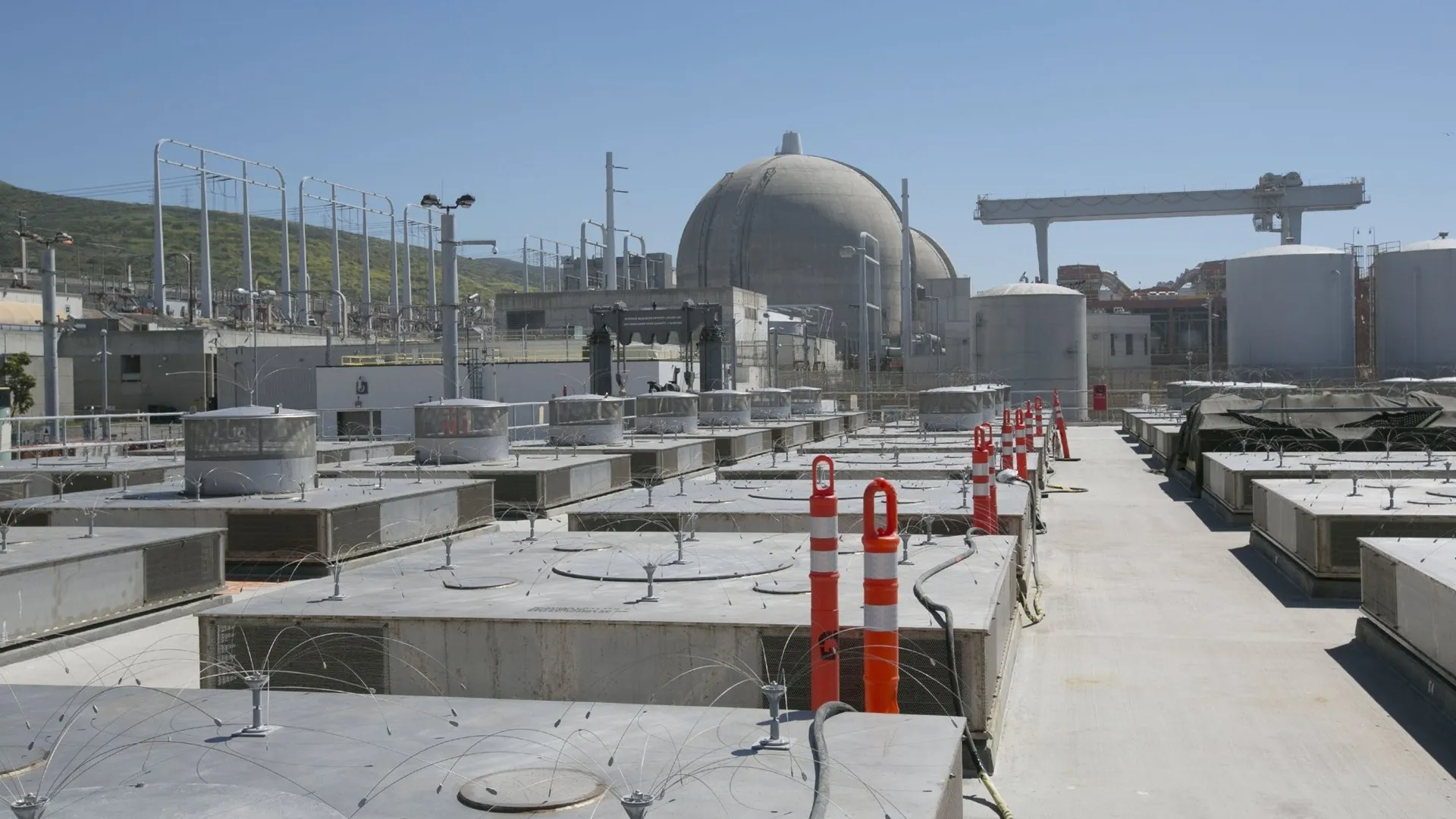
The technology is designed to monitor steel canisters that hold spent nuclear fuel. It could eventually be retrofitted onto existing storage casks, allowing operators to detect acoustic signals associated with developing cracks before they compromise the containers.
The researchers conducted the tests from September 8 to 11, using different sensor configurations to assess the system’s sensitivity. The demonstration marked the completion of the project’s first phase, supported by funding from the US Department of Energy.
Spent nuclear fuel is typically cooled in water before being sealed inside steel canisters surrounded by concrete storage casks. These containers can remain at nuclear facilities for decades.
Although the fuel has been removed from a reactor, it continues to generate heat. Storage casks therefore include ventilation openings that help dissipate heat.
At coastal nuclear facilities, salty air can enter through these openings and contribute to corrosion of the steel canisters. Over time, corrosion may lead to cracks that threaten their structural integrity.
The researchers developed their fiber-optic system to detect acoustic emissions, or small vibrations produced when materials undergo changes such as cracking.
Source link