This article has been reviewed according to Science X's editorial process and policies. Editors have highlighted the following attributes while ensuring the content's credibility:
A new recycling approach developed by Worcester Polytechnic Institute (WPI) researchers could help make battery waste a valuable source of high-performance materials. In a study published in Advanced Energy Materials, a team led by professor Yan Wang, the William B. Smith Professor of Mechanical and Materials Engineering, converted mixed battery waste into upcycled materials for both the cathode and anode and found that the resulting pouch cells outlasted cells made with commercial counterparts.
As lithium-ion battery use grows, so does the pressure on supplies of critical materials and the volume of discarded batteries. Many current recycling methods focus on recovering cathode materials, and mixed battery waste can be difficult to process into products with high value. Wang's team developed an approach that upgrades both cathode and graphite materials recovered from battery waste.
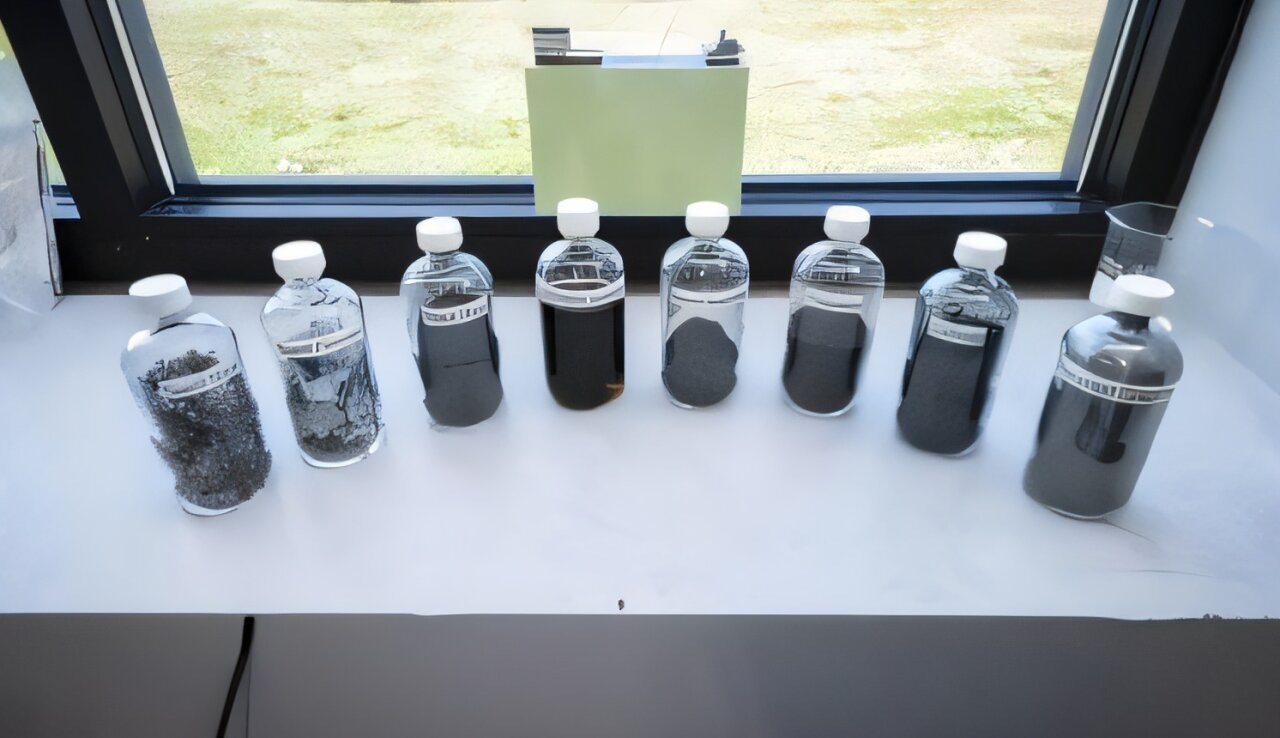
The researchers converted mixed, low-nickel cathode materials into a high-performance cathode called NMC622. They also purified and modified recovered graphite to make battery-grade anode material. Tests found improved lithium-ion transport and cycling stability in the cathode and better interfacial kinetics and durability in the graphite anode.
The team then assembled full pouch cells using only the upcycled cathode and anode materials. The cells had fewer side reactions and approximately twice the cycle life of cells using commercial materials, retaining 70% of their capacity after 2,590 cycles.
Source link