
There is an old expression that goes like this: “Everyone complains about the weather, but nobody does anything about it.” There is a corollary to that adage: “Everybody knows we have to stop polluting our environment, but nobody wants to be first to do something about it.”
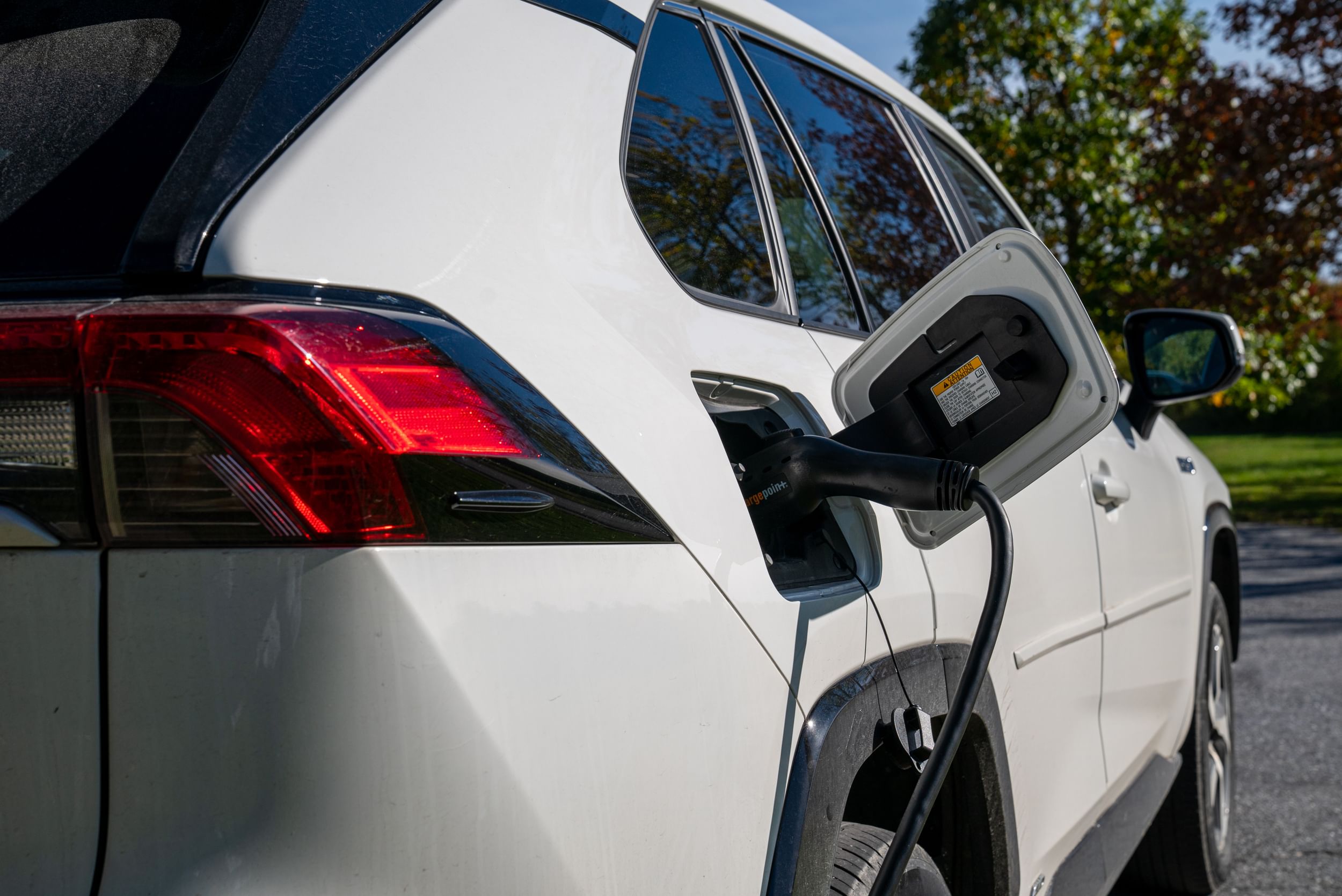
A case in point comes from Europe this week. The EU currently has a goal that calls for all passenger cars sold in 2035 to have zero tailpipe emissions. There is only one way to make that happen — a transition to 100 percent battery electric cars. No plug-in hybrids with range extender gasoline engines, and no mild hybrids with 0.74 kWh batteries.
Germany would love to see that happen, except for one thing. It is the largest manufacturer of automobiles and trucks in all of Europe, which means the auto industry is a large part of the German economy. It is common knowledge that Volkswagen Group, facing lower demand for its cars, is planning to prune up to 100,000 jobs over the next few years and possibly close four factories in Germany.
That will create a ripple effect throughout the German economy. Every job in the auto industry supports up to six other jobs outside the industry in sales, banking, insurance, advertising, and auto repair. Add it all up, and what Volkswagen decides to do could impact half a million workers in Germany.
Readers are familiar with the conundrum that surrounds the transition to electric vehicles. Legacy automakers depend on the profits from selling conventional cars to pay for the investments they need to make in electric vehicles, but those conventional vehicles need to be eliminated as quickly as possible, because the Earth is getting hotter and hotter.
Source link