This article has been reviewed according to Science X's editorial process and policies. Editors have highlighted the following attributes while ensuring the content's credibility:
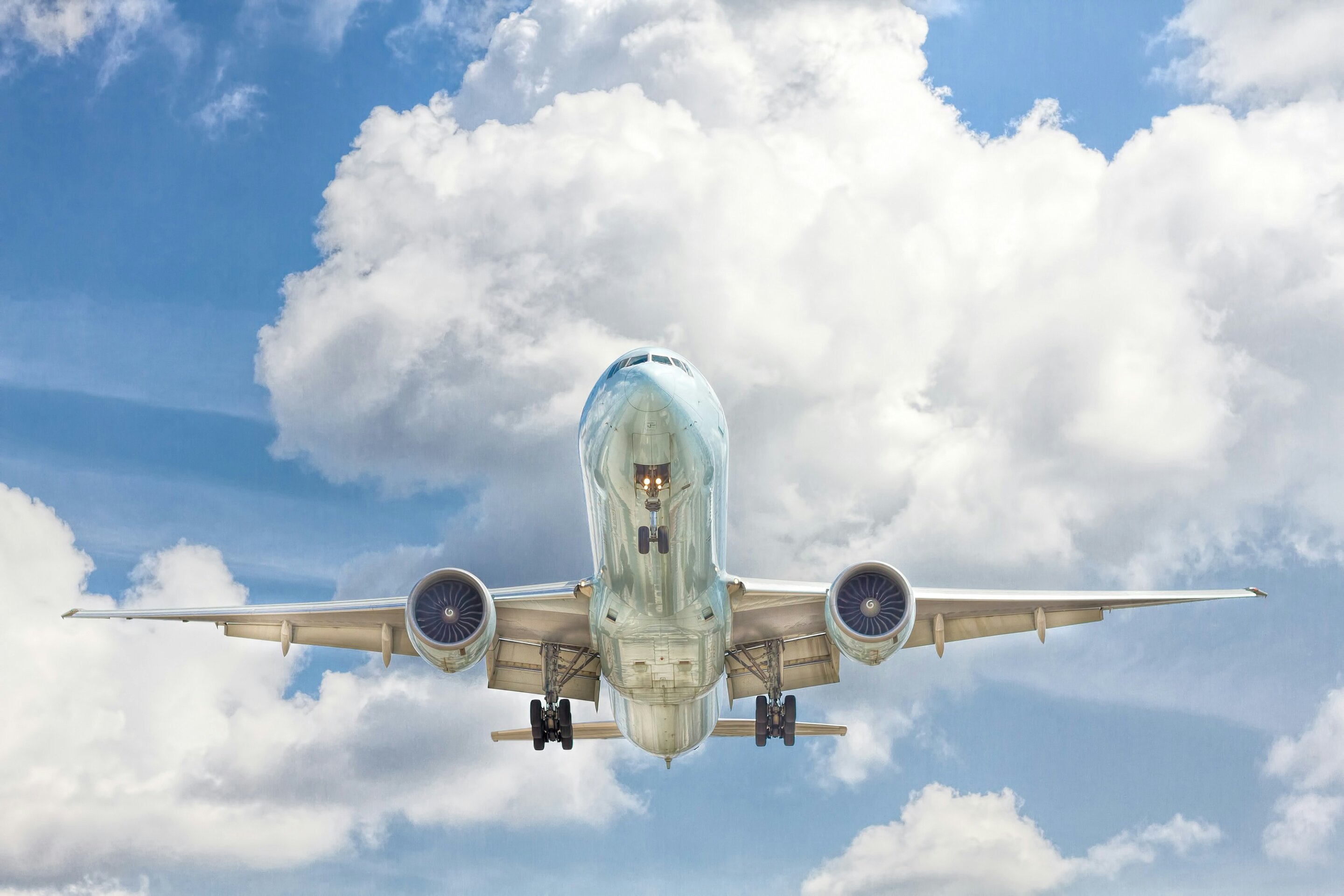
As the effects of climate change and the associated risks are increasingly being felt, several organizations have developed roadmaps that outline potential steps toward carbon neutrality in the aviation sector. These strategies include multiple levers, such as developing alternative fuels and introducing more efficient aircraft, and are supported by the International Civil Aviation Organization (ICAO), the Air Transport Action Group (ATAG) and the European Commission, among others. They are typically evaluated based on a single criterion: greenhouse gas emissions.
Scientists from INRAE, ENAC, ISAE-SUPAERO and ADEME teamed up for a joint study to examine the major transition plans for global civil aviation through 2050.
The research team, which included bioeconomy, environmental and aeronautics experts, tested the transition strategies put forward by various organizations against all the planetary boundaries. This was a first for this type of analysis, which sought to gain insights into issues such as the impacts of changes on the freshwater cycle or how much energy is needed to achieve a particular sustainability goal.
To answer these questions, the scientists quantified the environmental impacts and associated resource needs for the roadmaps studied through 2050, while also testing various scenarios for changes in air traffic.
The scientists created an original method based on the concept of an environmental budget. It works in the same way as a carbon budget, which involves determining the maximum amount of CO₂ emissions that must not be exceeded to keep global warming within a certain limit.
Source link