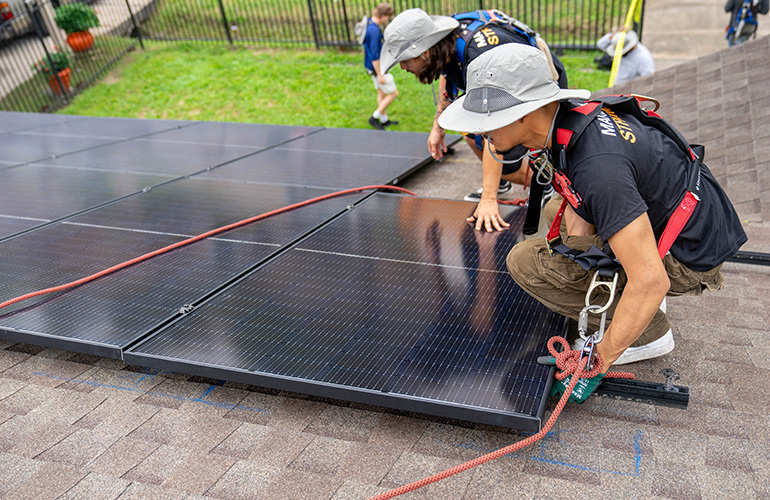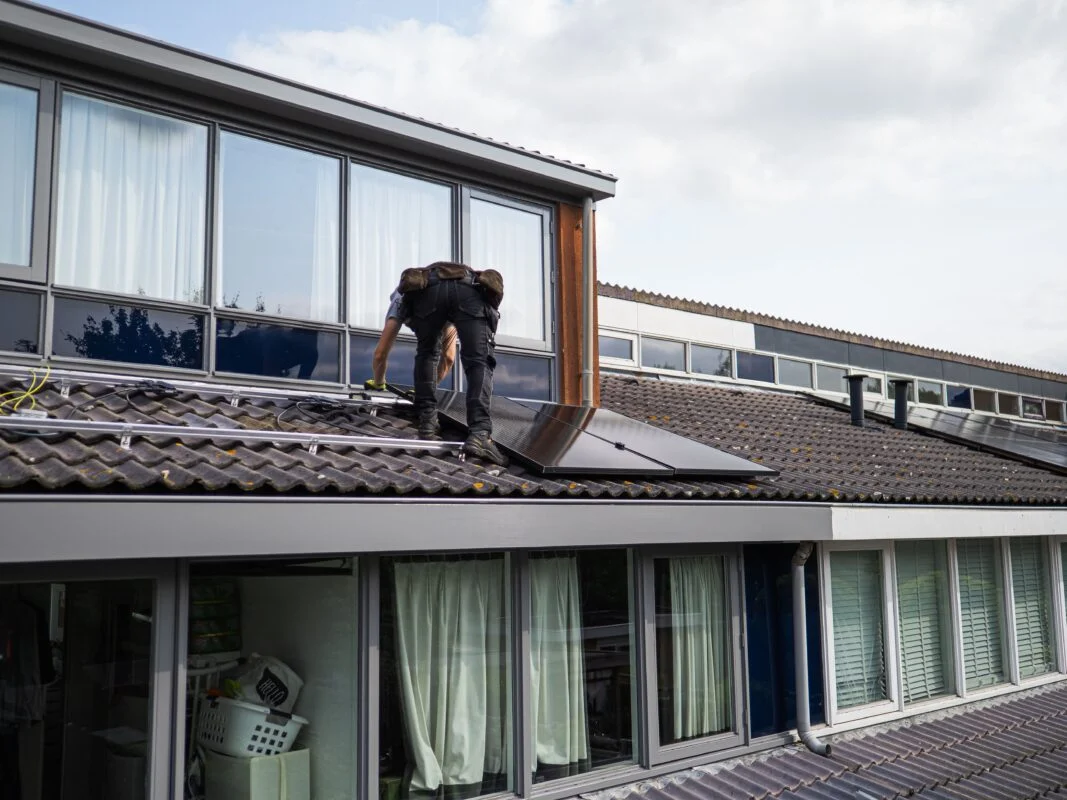
For Stryker, the case for balcony solar in the US begins with affordability and energy security. Rising energy costs, she argues, have made consumers increasingly eager to generate their own electricity and reduce their dependence on volatile energy markets.
“Folks are eager to be empowered to produce their own energy,” she says. “It is not just an energy affordability issue; it is an energy security issue.”
Bright Saver’s experience appears to demonstrate that demand is already present. According to Stryker, the nonprofit launched a plug-in solar system costing less than US$300 and received thousands of orders within weeks, despite customers facing delays in receiving the products.
“It’s sold out within days and we know people want it and the regulatory framework really is lagging behind,” she says.
The challenge, however, is not simply whether Americans want balcony solar. It is whether the country’s regulatory framework can allow manufacturers to supply the technology consistently across state borders.
Unlike the UK, where Stryker says government coordination helped establish a clearer pathway for plug-in solar, the US relies heavily on state-level interconnection rules and enforcement.
“First of all, we have a very fragmented policy landscape,” she says. “This makes interconnection rules and enforcement are determined at the state level.”
This fragmentation means that manufacturers must navigate different requirements in different jurisdictions. Stryker argues that the resulting uncertainty affects product development, costs and the speed of deployment.
As of September 2026, 11 US states have moved to support balcony, or plug-in, solar, although the legislative status varies between enacted laws and measures awaiting final enactment.
Source link