
In 2025, an estimated 36,640 traffic fatalities were reported in the US. Let’s dig deeper into auto safety over the years and going forward.
Airbags became mandatory in all new passenger cars sold in the United States starting September 1, 1998, following the Intermodal Surface Transportation Efficiency Act of 1991.
However, even though airbags save lives, they also cause injuries. A few weeks ago, my daughter was in an automobile accident where the airbags deployed. In her case, an airbag shattered her left wrist, causing a compound (bone penetrating the skin) fracture. This illustrates the potential double-edged sword of safety innovations.
The history of seatbelts shows how an innovation that was a novelty at first then became common, then when the saving of lives became apparent, seatbelt use became required.
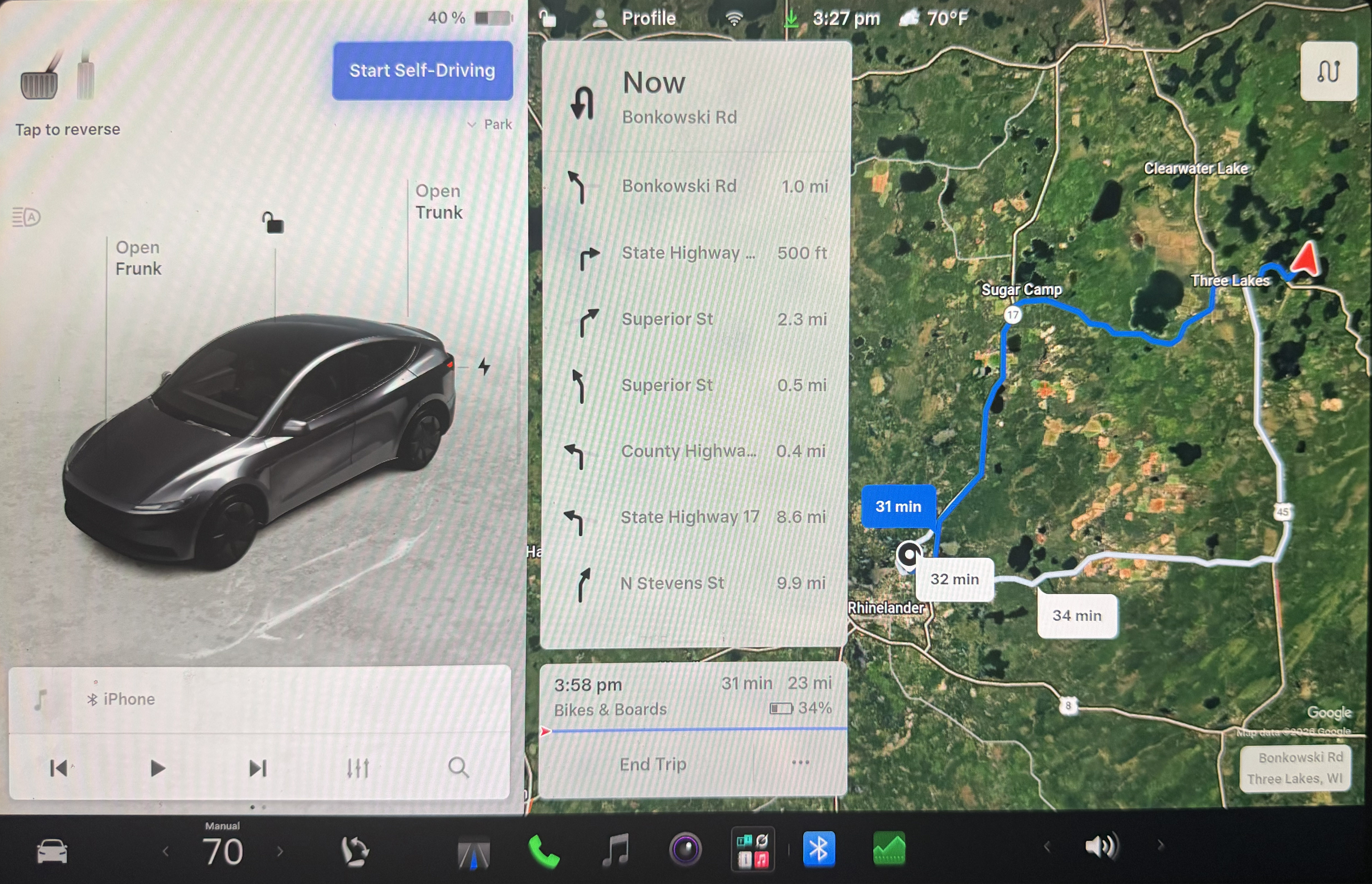
Where do we stand on safety in the evolution of driving automation like Tesla’s Full Self Driving?
Apr 8, 2026: Elon Musk claimed that Tesla’s “Full Self–Driving” is so much safer than human drivers that it could save 90% of the roughly one million lives lost in car crashes globally.
An embarrassing personal story: On June 9, I was driving my 2018 Tesla Model 3 in Madison, Wisconsin, using Full Self Driving. At an intersection, I over-road FSD and ran a stop sign. I was struck in the rear of my car by a woman who wasn’t paying close attention and was crossing the intersection in a perpendicular way. I am certain that if I had let FSD drive the car, we would have stopped at the stop sign and the accident would have been avoided.
Source link